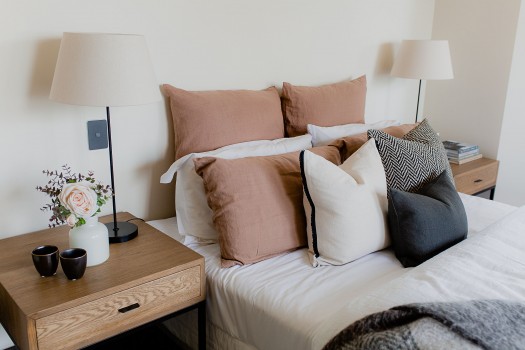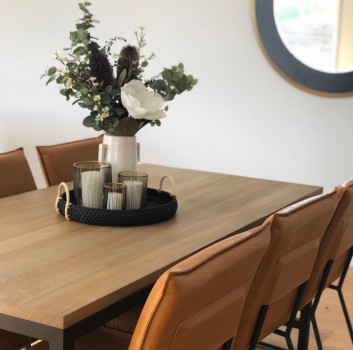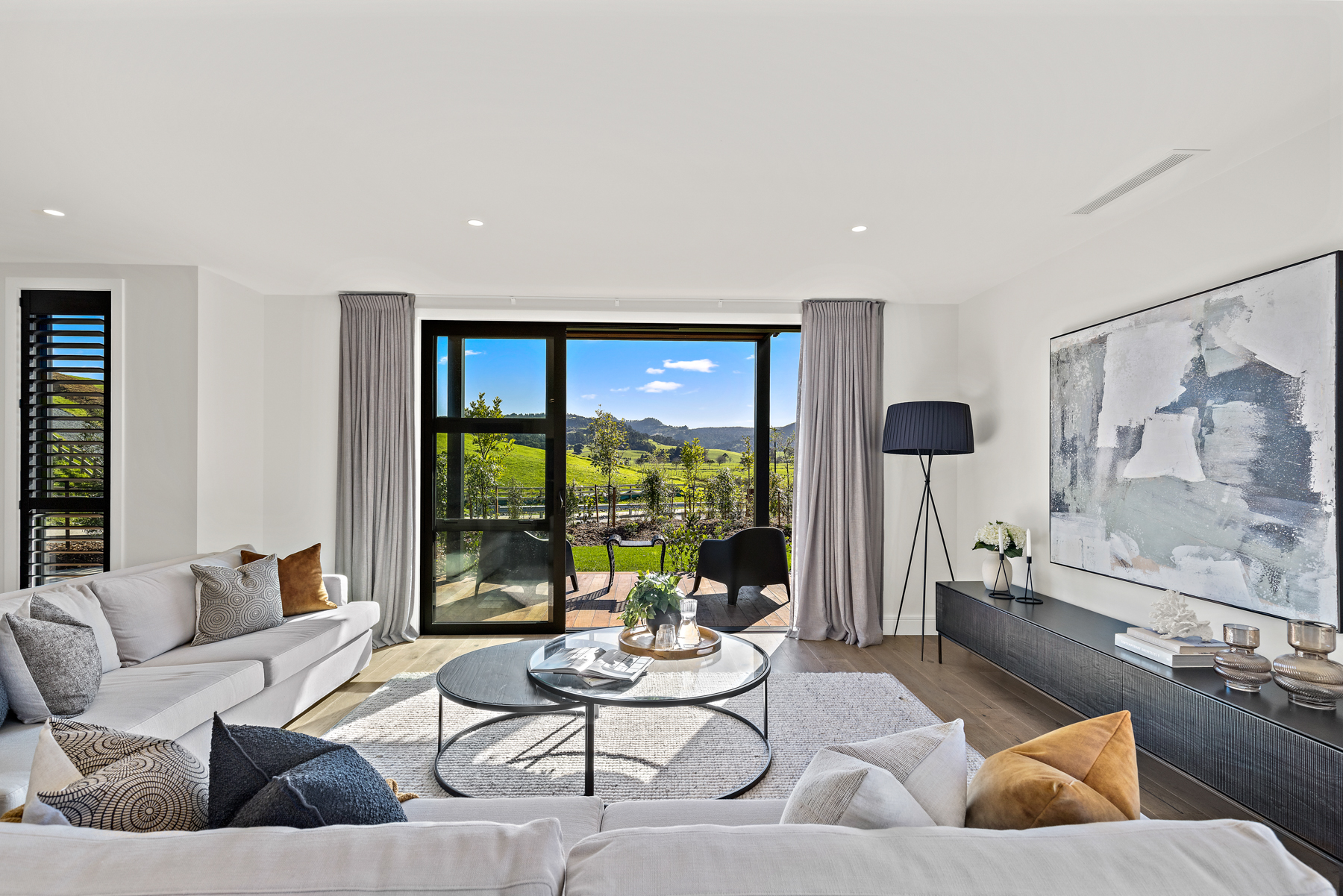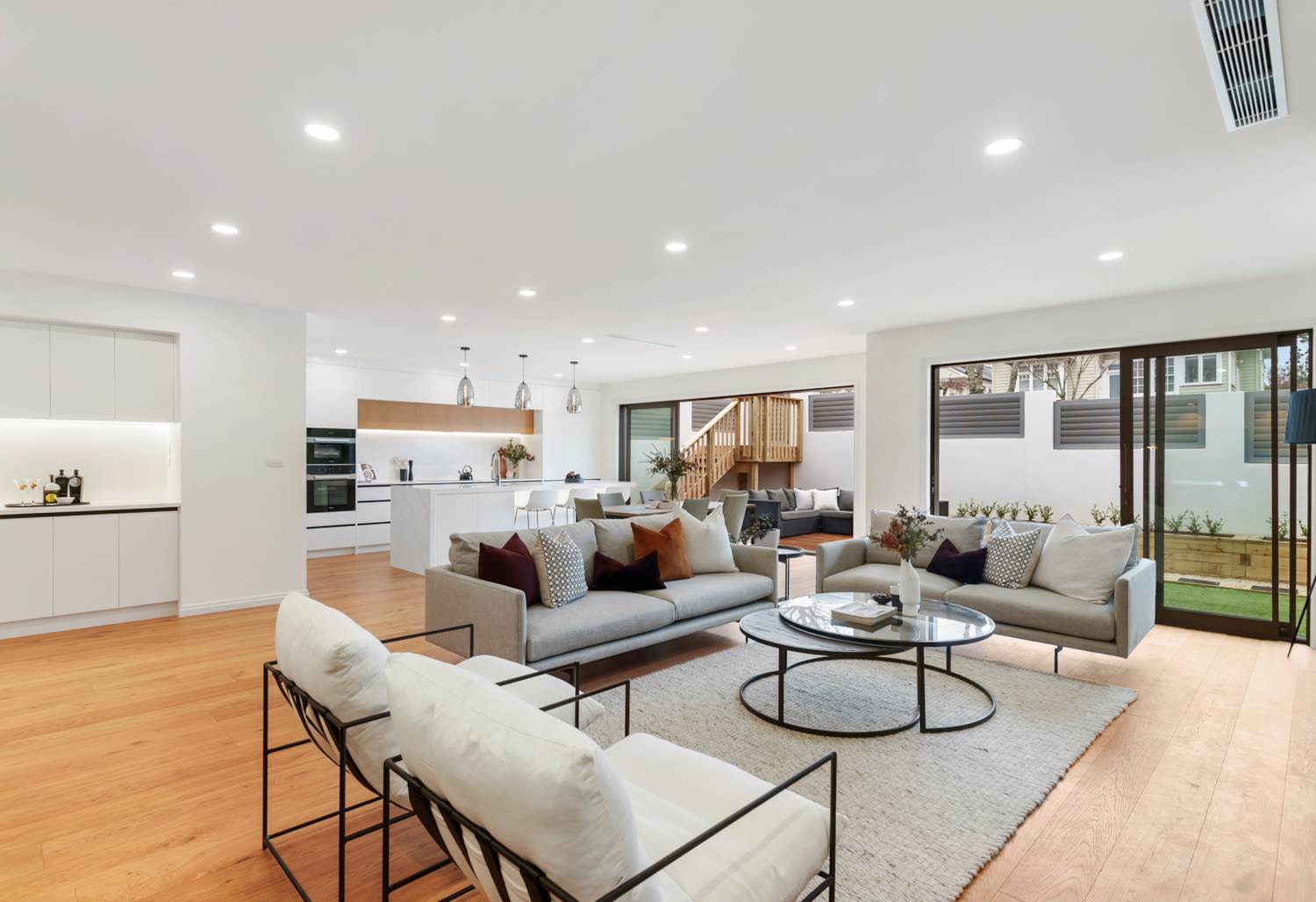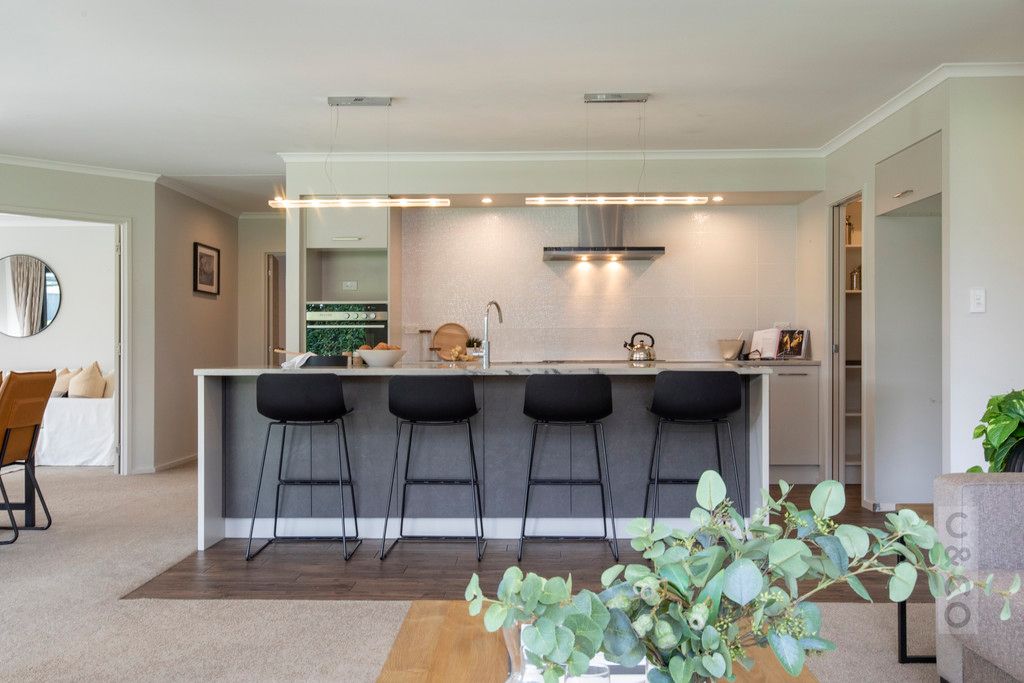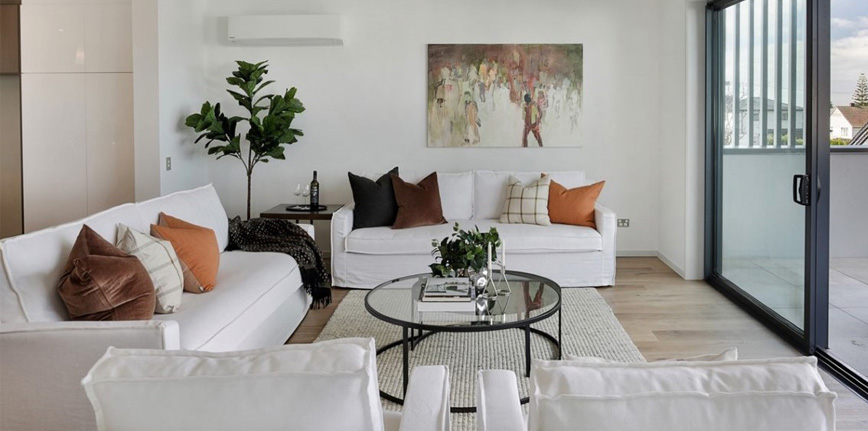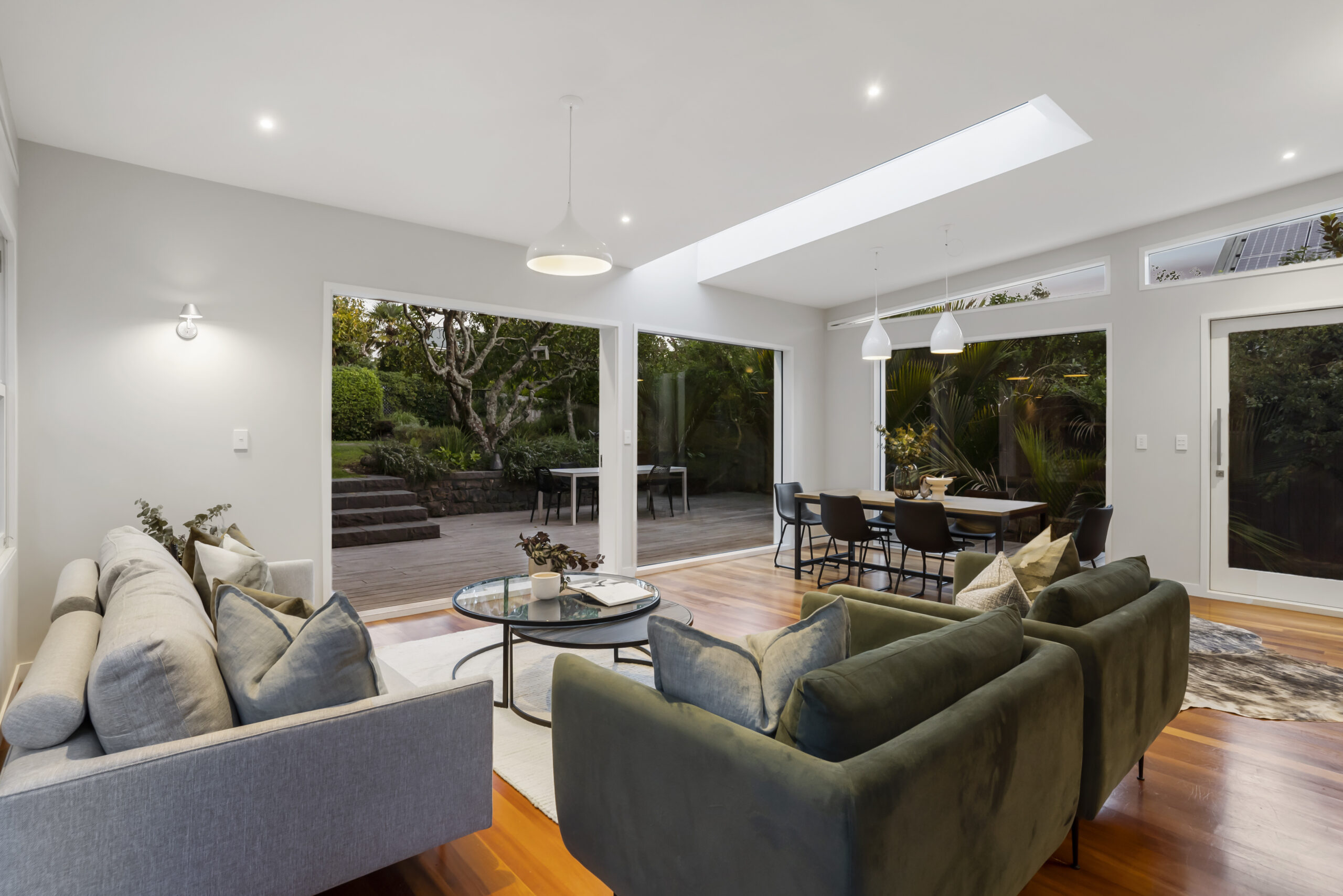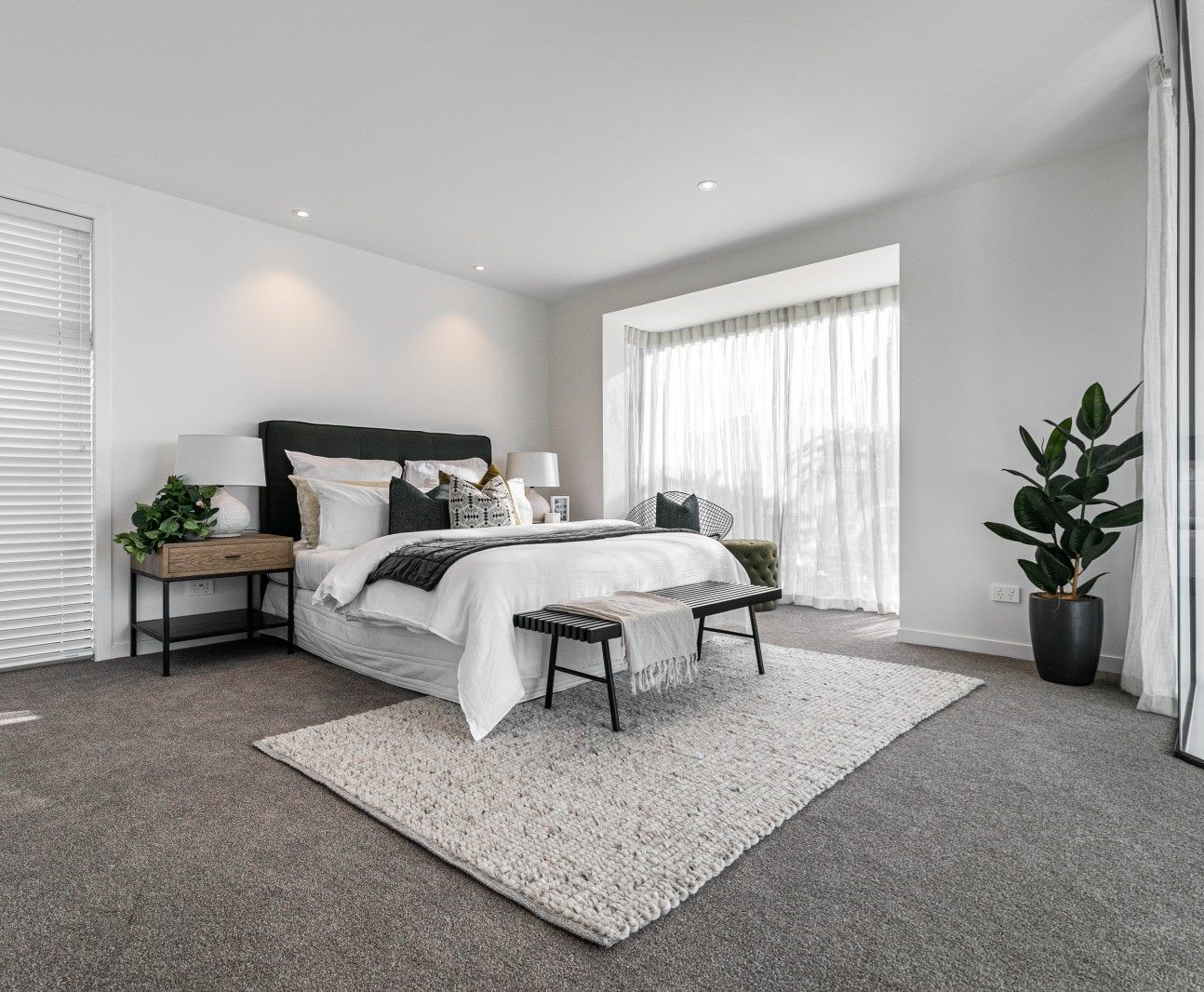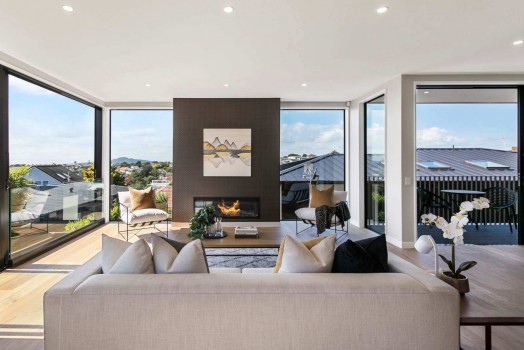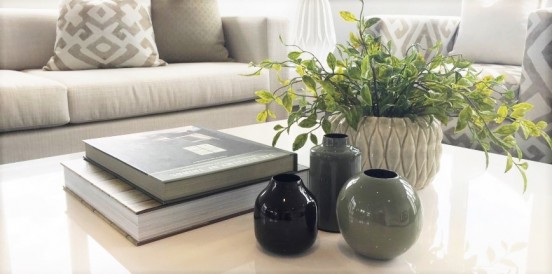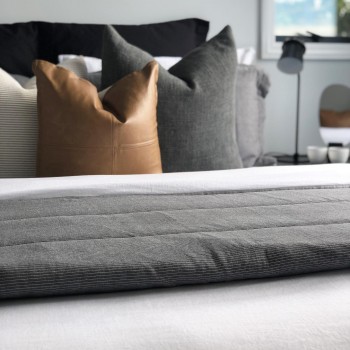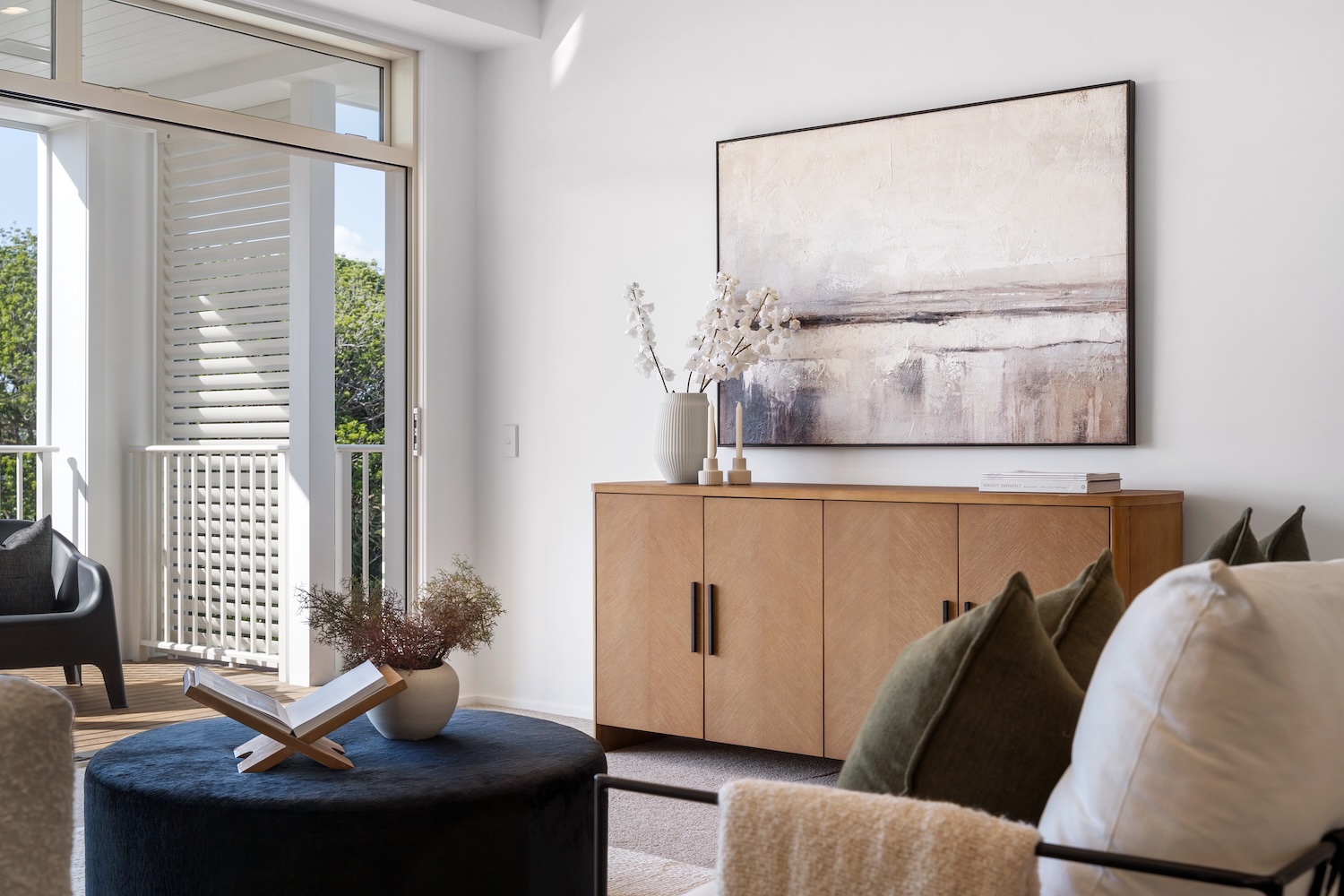
The short answer: most furniture in Auckland homes comes from the same handful of chains, which is why so many living rooms look alike. An independent interior designer works through trade-only suppliers and custom manufacturers that do not sell to the public, so every piece is chosen for your room rather than picked from whatever is in stock.
The Look has been designing and furnishing Auckland homes since 2003. We are fully independent of every major furniture and homewares chain, and work with a local network of literally hundreds of trade-only suppliers and custom manufacturers. This article explains what that means in practice, and why it changes what your home can be.
Retail furniture is designed to sell in volume, and that shapes everything about it.
None of this is a problem for a single piece. Across a whole house, it is the difference between a home that has been furnished and one that has been designed.
Trade-only suppliers sell to interior designers and the trade, not to the public. They include furniture makers, upholsterers, joiners, fabric houses and curtain and blind manufacturers. Working through them means:
The real advantage of a trade network is that when the right piece does not exist, it can be made.
In a recent Mt Eden villa, the clients had a long framed landscape painting they wanted to keep in their master bedroom. Rather than hunting for dressers that roughly suited it, we had a pair made to measure so they sat in balance beneath the painting. The room was designed around what mattered to the clients, not around what a store happened to stock.
Some of the pieces we specify most often cannot be bought anywhere:
As Kate O'Connor, our Interior Designer and Owner, puts it: "A home must be designed to be lived in and enjoyed."
Window treatments are one of the biggest decisions in any room, and one of the easiest to get wrong from a catalogue. Working with a range of manufacturers and fabric houses means each window gets the treatment that suits it.
Because we are not tied to any chain or brand, nothing goes into your home because someone needed to move stock. Every recommendation comes down to the room, the light, the way you live and the budget you have set. That independence is also why our interior design trends advice is based on what we are actually specifying for Auckland clients, not on what a retailer is promoting this season.
The two are often used interchangeably, but they are different jobs. An interior designer can alter spatial layouts, structural elements and permanent finishes. An interior decorator focuses on enhancing an existing space through furnishings, colour schemes, artwork and accessories.
We are interior designers. The work starts with how the space is planned and what it needs to do, then moves to furniture, curtains, blinds and the pieces that complete it. If you are weighing up who to work with, our guide to choosing the right interior designer in Auckland is a useful place to start.
Every project is different, but most cover some or all of the following:
Trade-only suppliers sell to interior designers and the trade rather than to the public. Working with them gives access to furniture, fabrics and finishes that are not available through mainstream retail stores.
Retail furniture comes in standard sizes from the same ranges everyone else can buy. An interior designer plans the room first, then sources or has made the pieces that suit it, which avoids costly mistakes with scale and gives a more considered result across the whole home.
Yes. Through a network of custom manufacturers and joiners, pieces such as upholstery, cabinetry and window treatments can be made to fit a specific space, which is often the only way to solve an awkward room properly.
No. The Look is fully independent of all major furniture and homewares chains, and works with hundreds of trade-only suppliers and custom manufacturers. Recommendations are based on your home, not on stock that needs to be sold.
An interior designer can alter spatial layouts, structural elements and permanent finishes. An interior decorator focuses on enhancing an existing space through furnishings, colour, artwork and accessories.
If you would like your home furnished with pieces chosen for it, rather than from what is in stock, take a look at our interior design service and get in touch, or call us on 09 302 2400 to arrange an initial consultation.