The short answer: staging a home for sale works best when the whole property is treated as one presentation, not a series of separate rooms. Before staging day, your job is to get the house empty, clean and repaired. Our job is to give every room scale, purpose and warmth, so buyers see a home from the first listing photo through to the last room at the open home.
We have been staging Auckland homes since 2003, and we only stage vacant properties. This checklist covers what to sort before we arrive, what each room needs to do for buyers, and how to time it all around your campaign.
Most of what makes staging day go smoothly happens in the week before it. Work through this list once the house is empty.
Every room is planned before anything arrives, so the property reads as one consistent scheme rather than a set of furnished rooms. Here is what each space needs to do for buyers, and how staging achieves it.
The entrance sets the tone in the first few seconds. Where there is room, a console, mirror or piece of artwork gives it a sense of arrival. Where there is not, it stays clear. Hallways are kept open, because anything that narrows a hallway makes the whole house feel tighter.
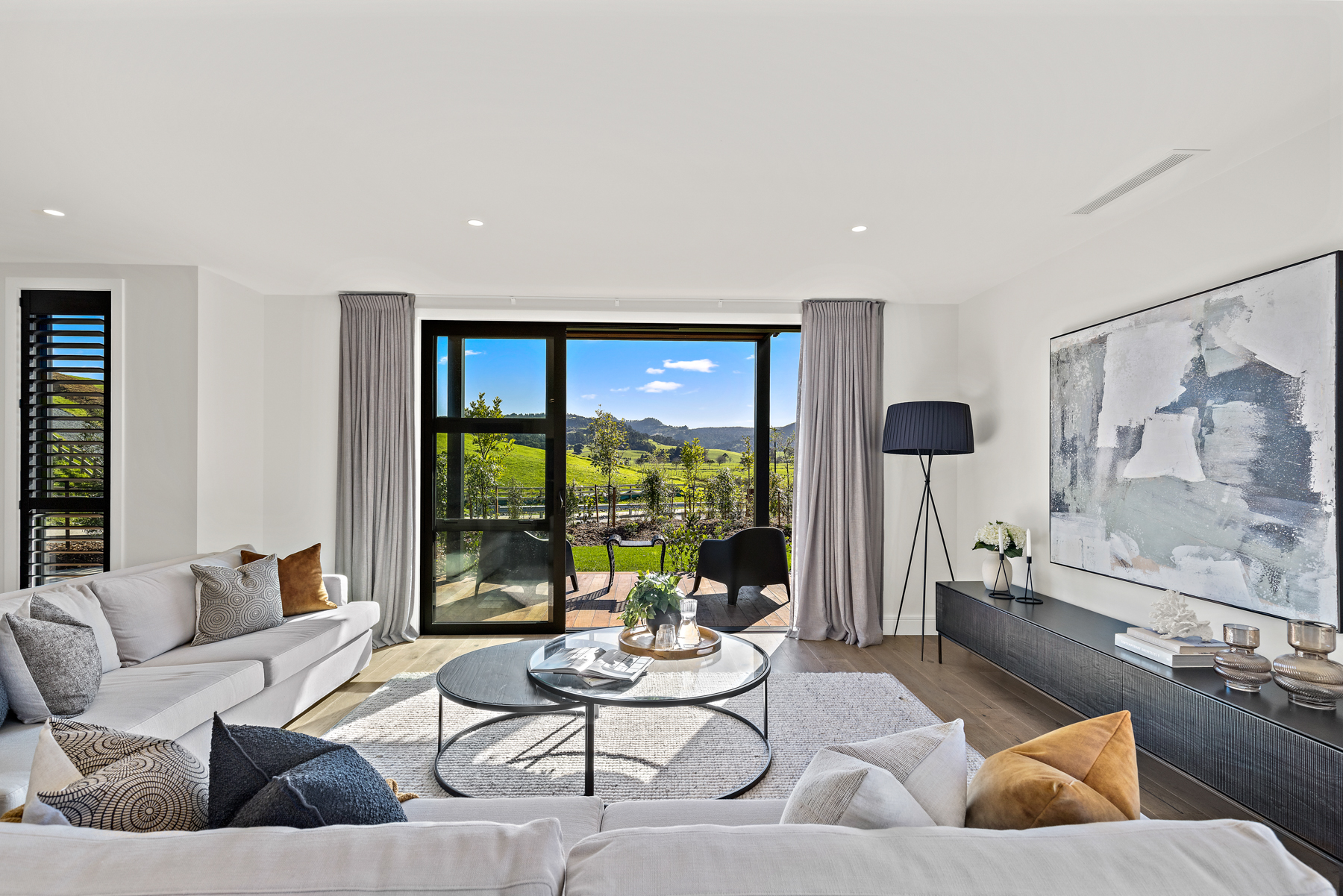
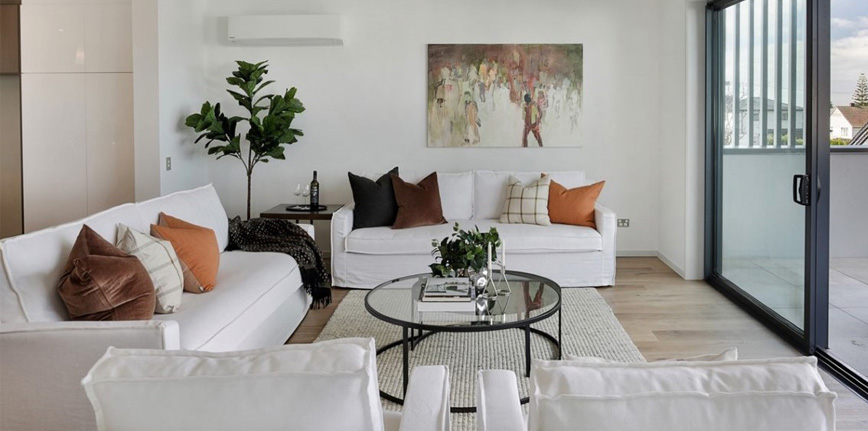
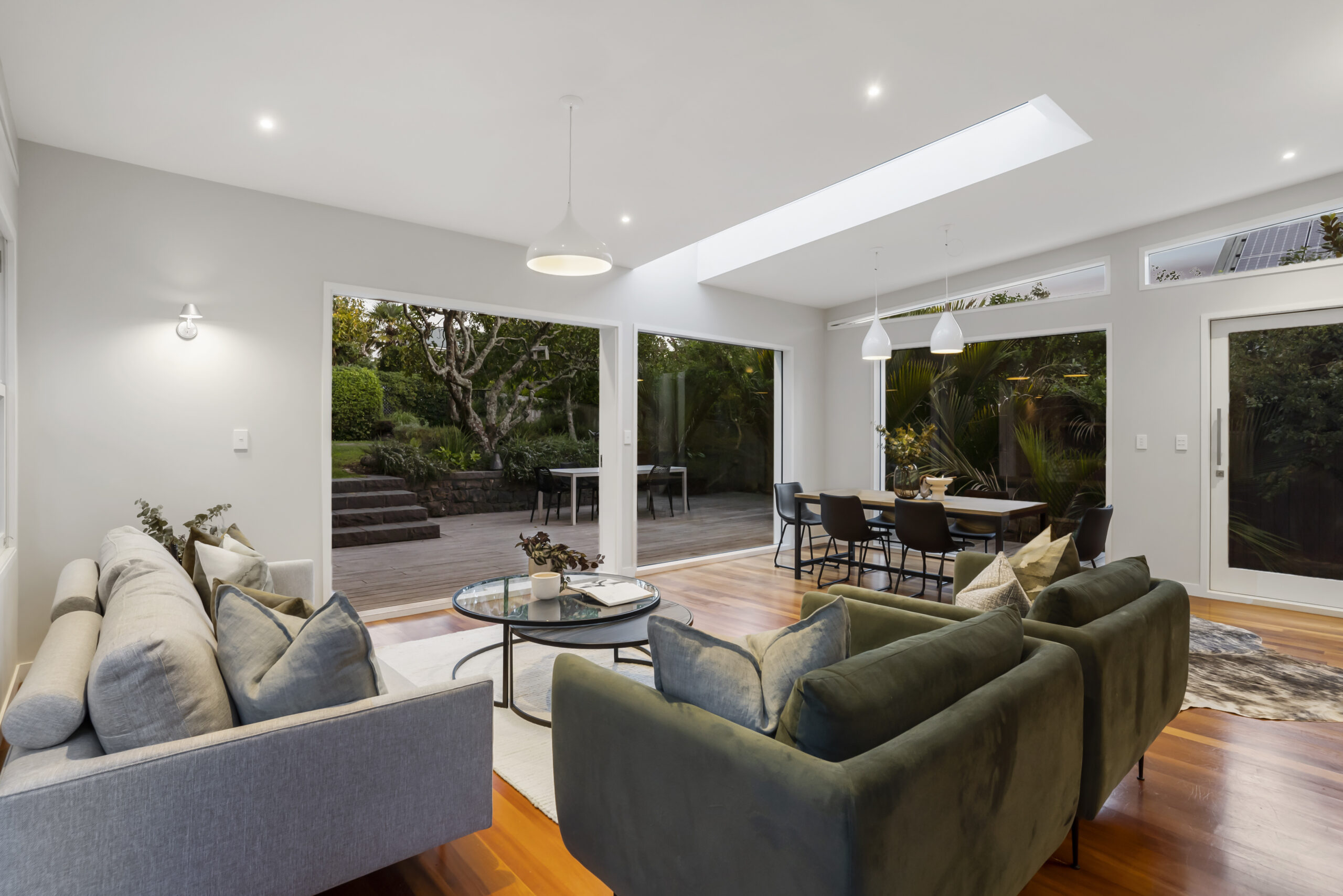
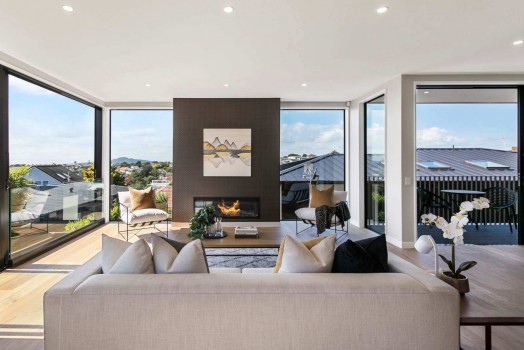
The living room is usually the hero shot in the listing and the first room buyers walk into. Correctly scaled furniture gives buyers a reference for size, so they can tell straight away that their own sofa would fit. The layout is built around the room's focal point, whether that is a fireplace, a wall of windows or a view, without blocking the light. We cover this room in more depth in our guide to why empty living rooms need a professional touch.
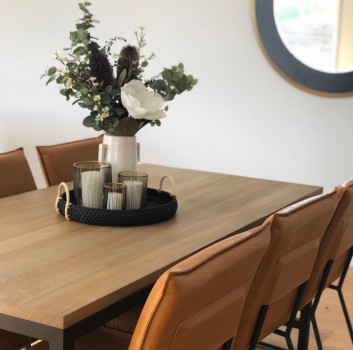
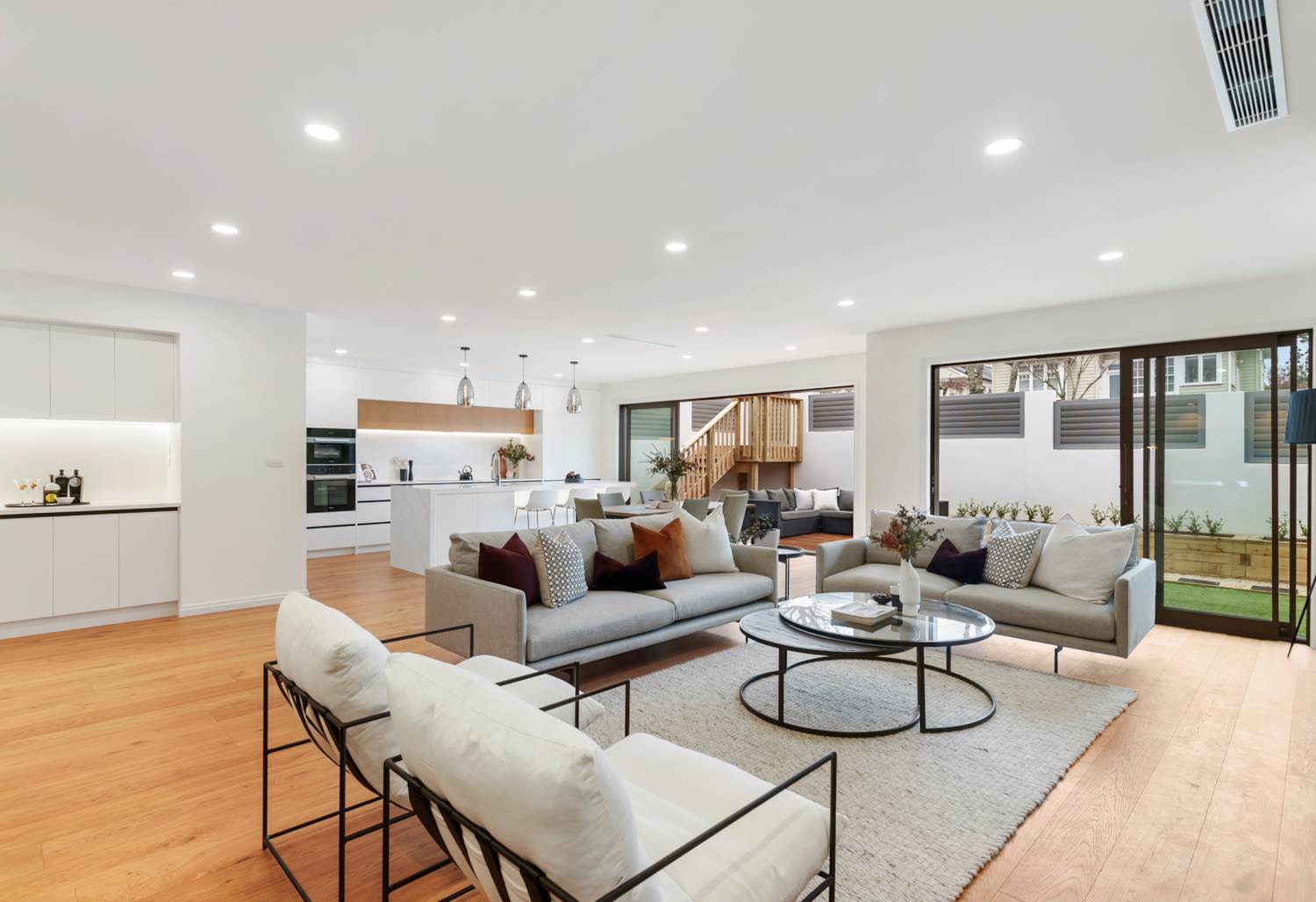
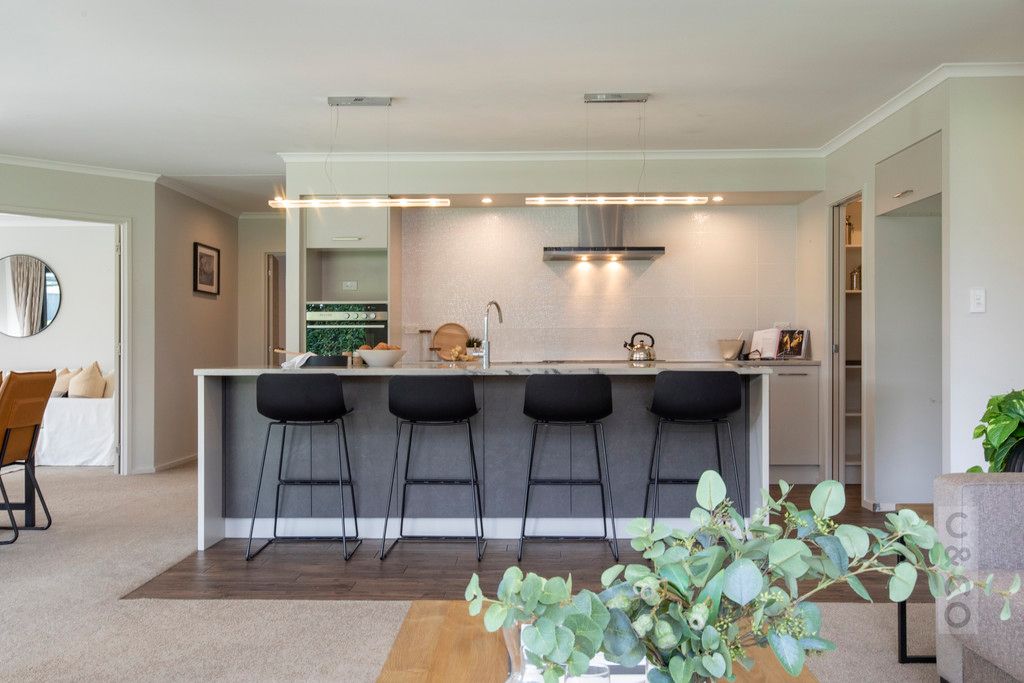
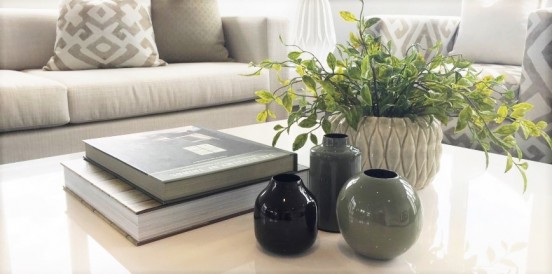
In the kitchen, the fixtures do the selling, so benchtops stay almost bare with only a few considered pieces. The dining area is where staging earns its place: a properly sized table and chairs shows buyers the space fits a real dining setting. In open plan homes, rugs and furniture placement define where the kitchen, dining and living zones each begin, so the space reads as organised rather than as one large empty room.
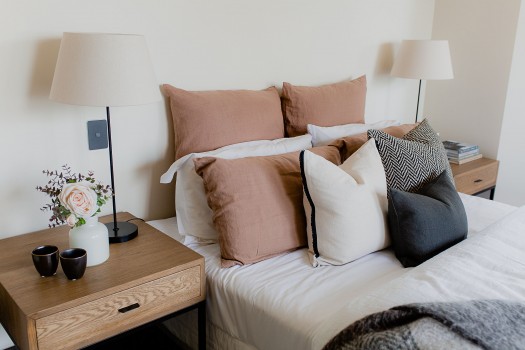
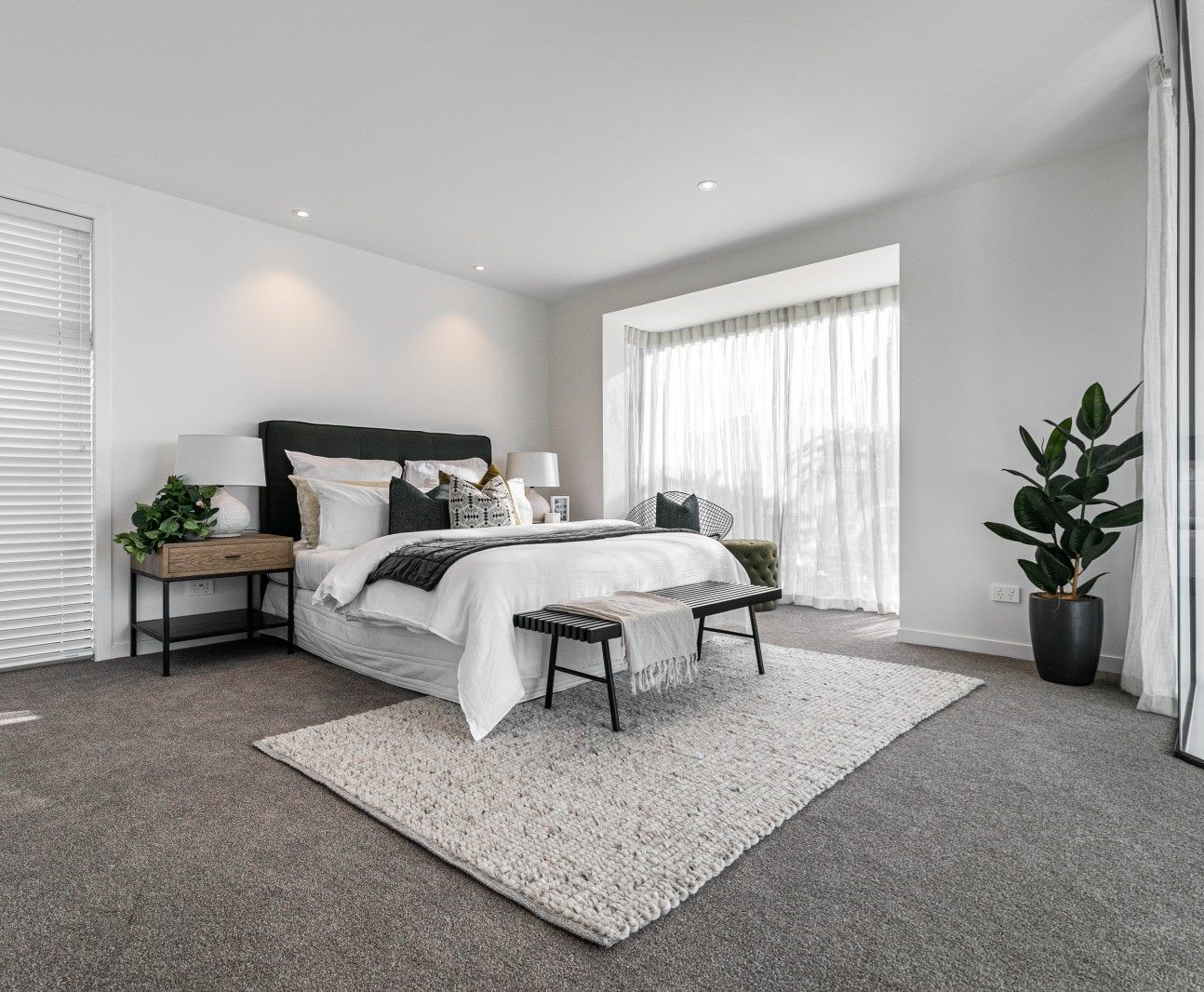
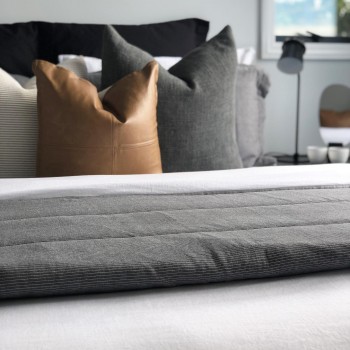
Buyers walk into the main bedroom asking one question: will a queen or king bed fit, with room to move around it? A well-scaled, properly made bed with bedside tables and lamps answers that immediately, and sets the calm, restful feel buyers expect from the room.
Each bedroom is given a clear use, such as a guest room, a child's room or a study, chosen to suit the people most likely to buy the house. The styling carries on from the main bedroom so the property feels considered throughout, not just in the rooms that make the photos.
A room without an obvious purpose tends to get walked past. Staged as a home office, a second living area or a guest room, it becomes a feature instead of a question. Which one depends on the likely buyer: a home office for working professionals, a snug or playroom for a young family.
Bathrooms need a light touch. The fixtures and finishes should lead, with fresh towels and a few accessories adding warmth. In small bathrooms and ensuites, less is more, because too many pieces make a compact room look smaller.
Decks, patios and balconies are a big part of how Auckland buyers picture living in a house. Make sure they are clean, clear and in good repair so they photograph as usable space. It is often worth having them water blasted or professionally cleaned.
Staging only the living room can look like a saving, but it tends to cost more than it saves. A beautifully staged living room makes the empty bedrooms next to it feel emptier by comparison. The listing photos stop telling a consistent story. And buyers at an open home walk through every room, not just the ones in the photos.
Selling a property is generally the biggest single financial transaction you will ever make. Presenting the whole house to the same standard is what lets the staging do its job.
Preparation, styling, transport, insurance, packup, removal and all furniture and accessories are included in the quote, with nothing added later. Our home staging page sets out what that covers.
Most sellers stage the entire property. Staging just a room or two can save a little money, but it can take away from the property's impact and marketing potential. Remember, selling a property is generally the biggest single financial transaction you will ever make.
The living room, main bedroom and kitchen and dining area usually carry the listing photos and the first impression, so they get the most attention in the scheme. Buyers still walk through every room at an open home, though, and an empty one stands out.
At least two weeks before your photography date. Staging can be arranged faster in an emergency, but more notice means more choice over what goes into the house.
The house should be empty, professionally cleaned and repaired, with every light working and clear access for the truck. The checklist at the top of this article covers each step.
No. We stage vacant properties only, which lets us design one consistent scheme for the whole house rather than working around existing furniture. Most sellers book staging for the window between moving out and listing photography.
Five weeks as standard, which covers a typical Auckland campaign. If your campaign runs longer, the hire can be extended by the week.
If your house is empty, or soon will be, request a free onsite quote or call us on 09 302 2400. We will walk through the property with you and tell you exactly what each room needs. You can also browse our portfolio and client testimonials to see the standard we work to.