Choosing the wrong interior designer is an expensive mistake. The wrong fit can mean a home that still does not feel right after thousands of dollars spent, weeks of disruption, and a relationship you cannot wait to be done with. The right designer, on the other hand, will transform how your home looks, feels, and functions, and the process will feel collaborative and calm.
If you are looking for an interior designer in Auckland, New Zealand, the choice can feel overwhelming. There are dozens of options, the websites all look beautiful, and the pricing structures vary wildly. This guide walks you through what to look for, what to ask, and what to watch out for before you commit.
It is written from the perspective of a designer who has been working with Auckland homeowners since 2003.
A professional interior designer manages the full furnishing and spatial transformation of a home. The work covers:
What an interior designer is not is a stylist or accessory shopper. That is a different service, and the difference matters when you are choosing who to hire.
This is one of the most common points of confusion for Auckland homeowners researching their options. The two roles overlap a little, but they are not the same job.
| Interior Designer | Interior Decorator | |
| Scope | Full furnishing and spatial design of rooms or whole homes | Surface finishes, accessories, and styling |
| Includes | Space planning, furniture, curtains, blinds, custom joinery | Cushions, art, ornaments, soft styling |
| Outcome | A transformed, fully resolved space | A refreshed look on top of existing furniture |
| Best for | A home that needs furnishing, redesigning, or a full reset | A space that already works but needs a final layer |
If you are searching for an "interior decorator Auckland" because you want a complete furnishing overhaul, you are most likely looking for a designer rather than a decorator. The terms are often used interchangeably online, but the service you actually need is design.
These are the markers of a designer worth shortlisting.
Interior design is a long game. Designers who have worked through multiple property cycles have seen what dates badly, what holds up, and what genuinely transforms a home. Auckland has its own quirks (villa proportions, indoor-outdoor flow, the way light moves through north-facing rooms), and experience here is hard to substitute.
A designer who has been operating since the early 2000s has staged and furnished thousands of Auckland homes. That kind of pattern recognition is what you are paying for.
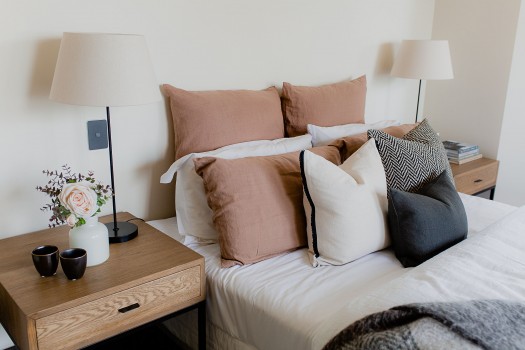
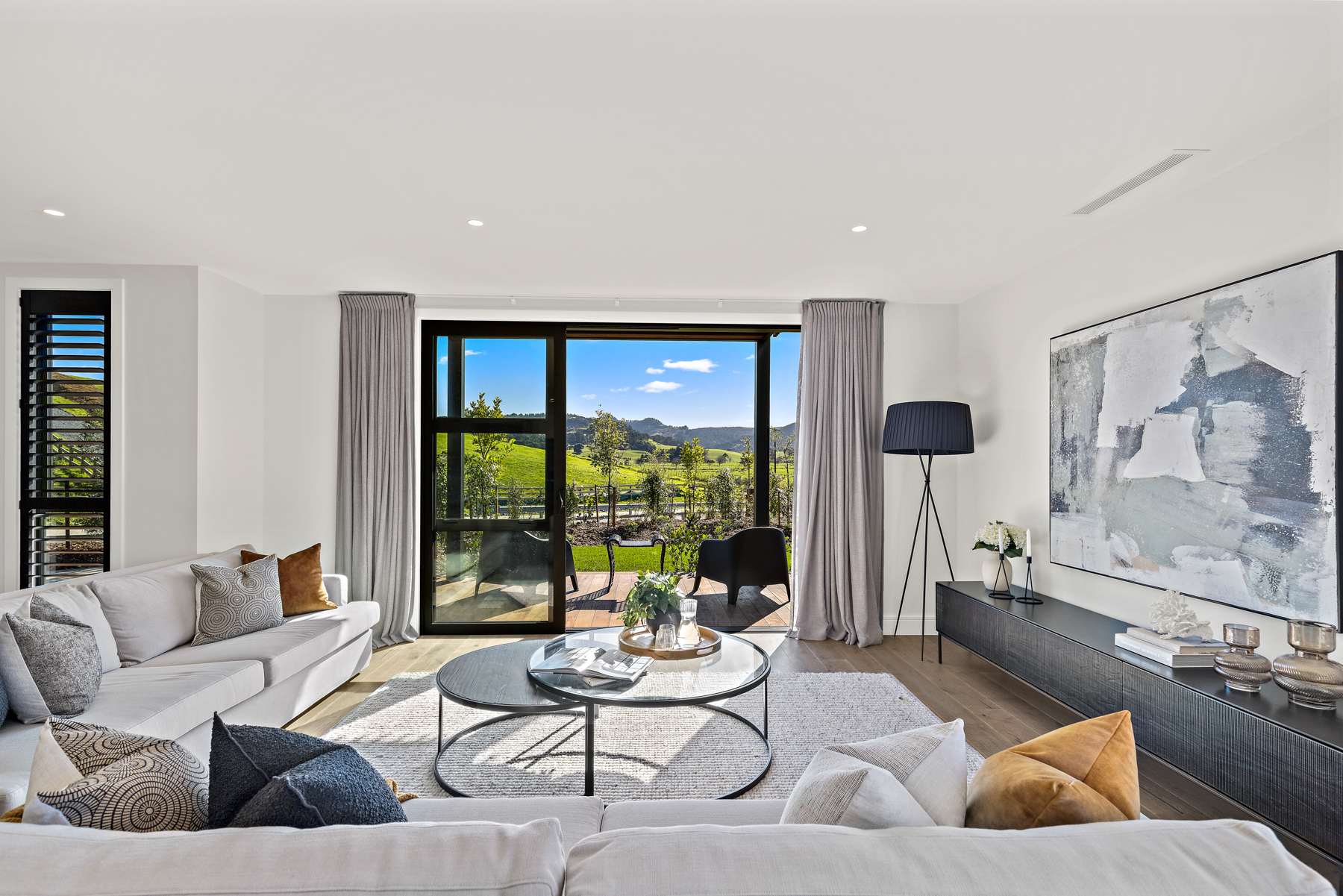
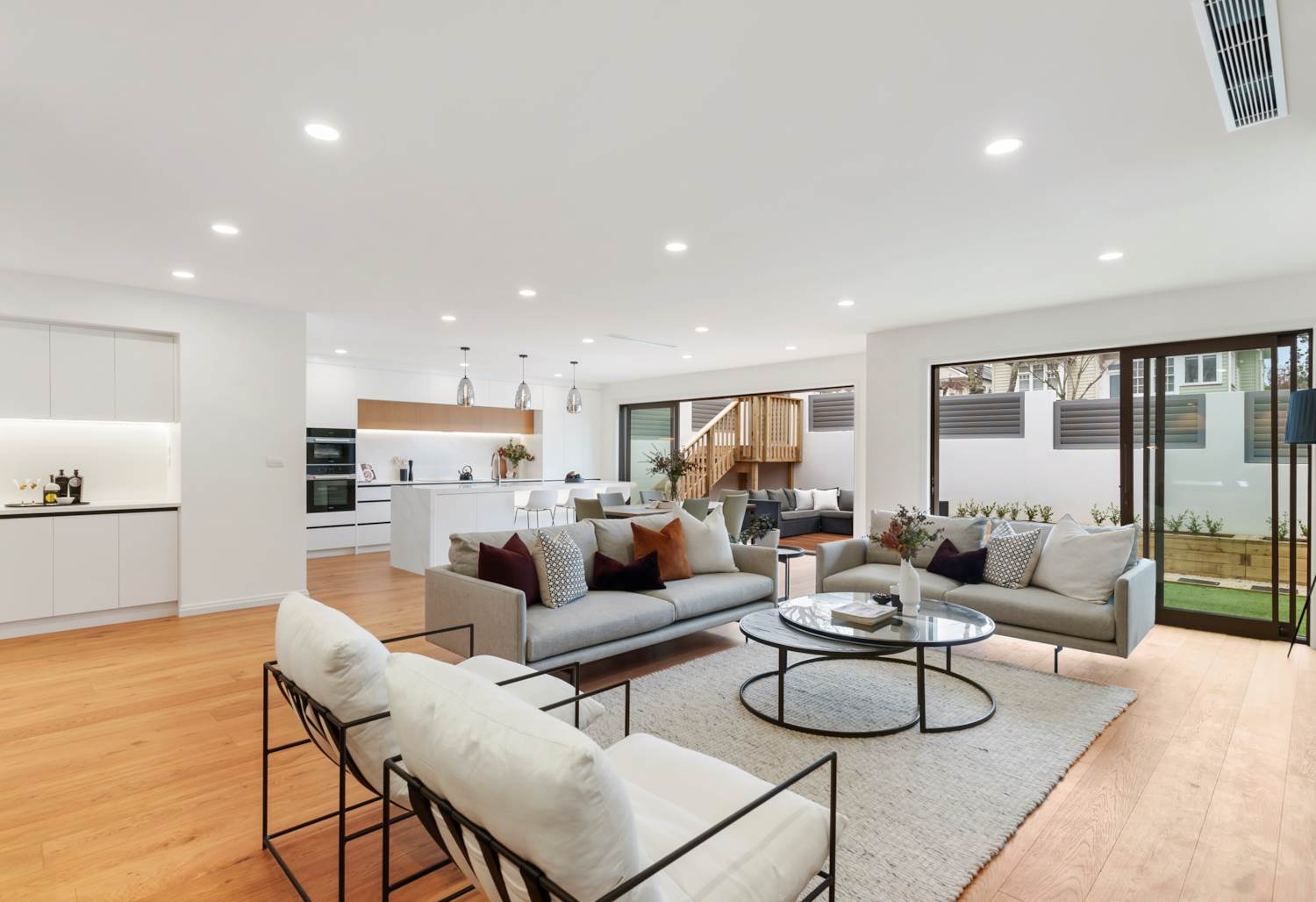
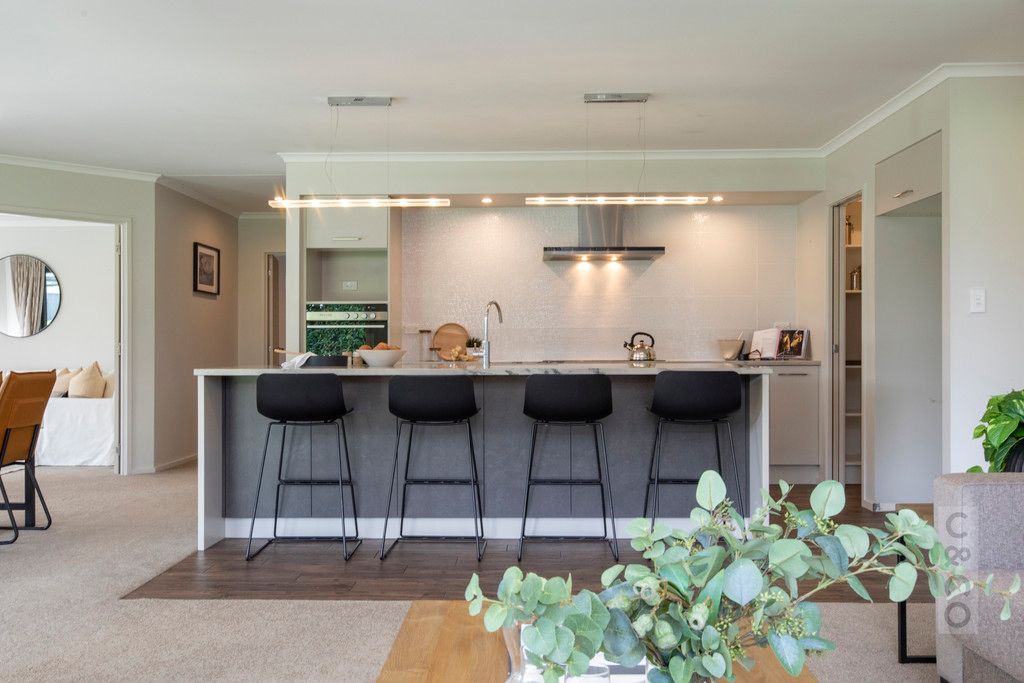
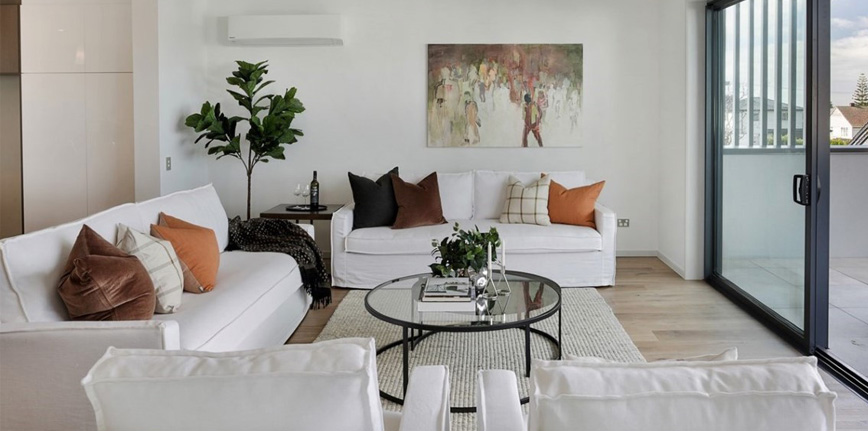
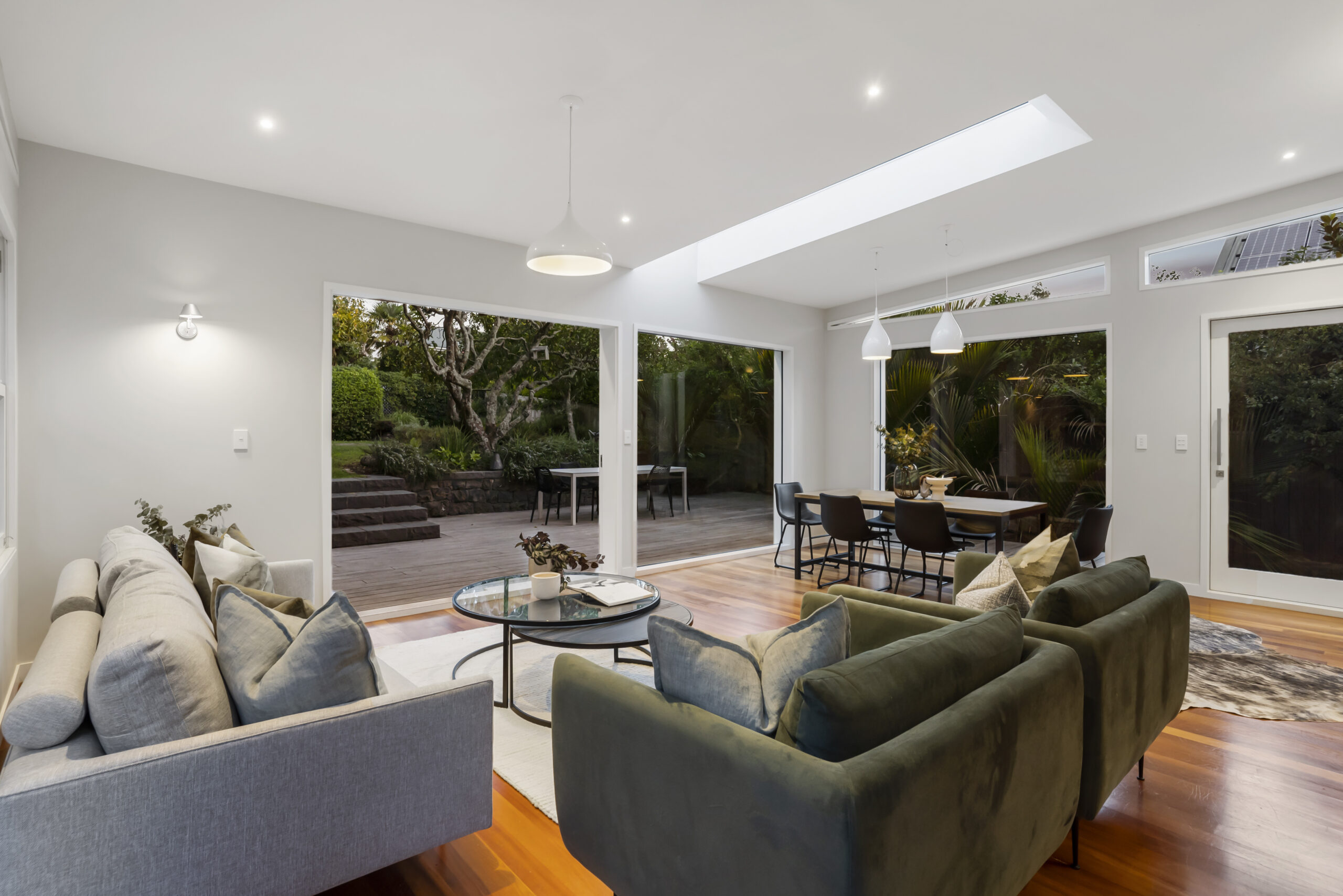
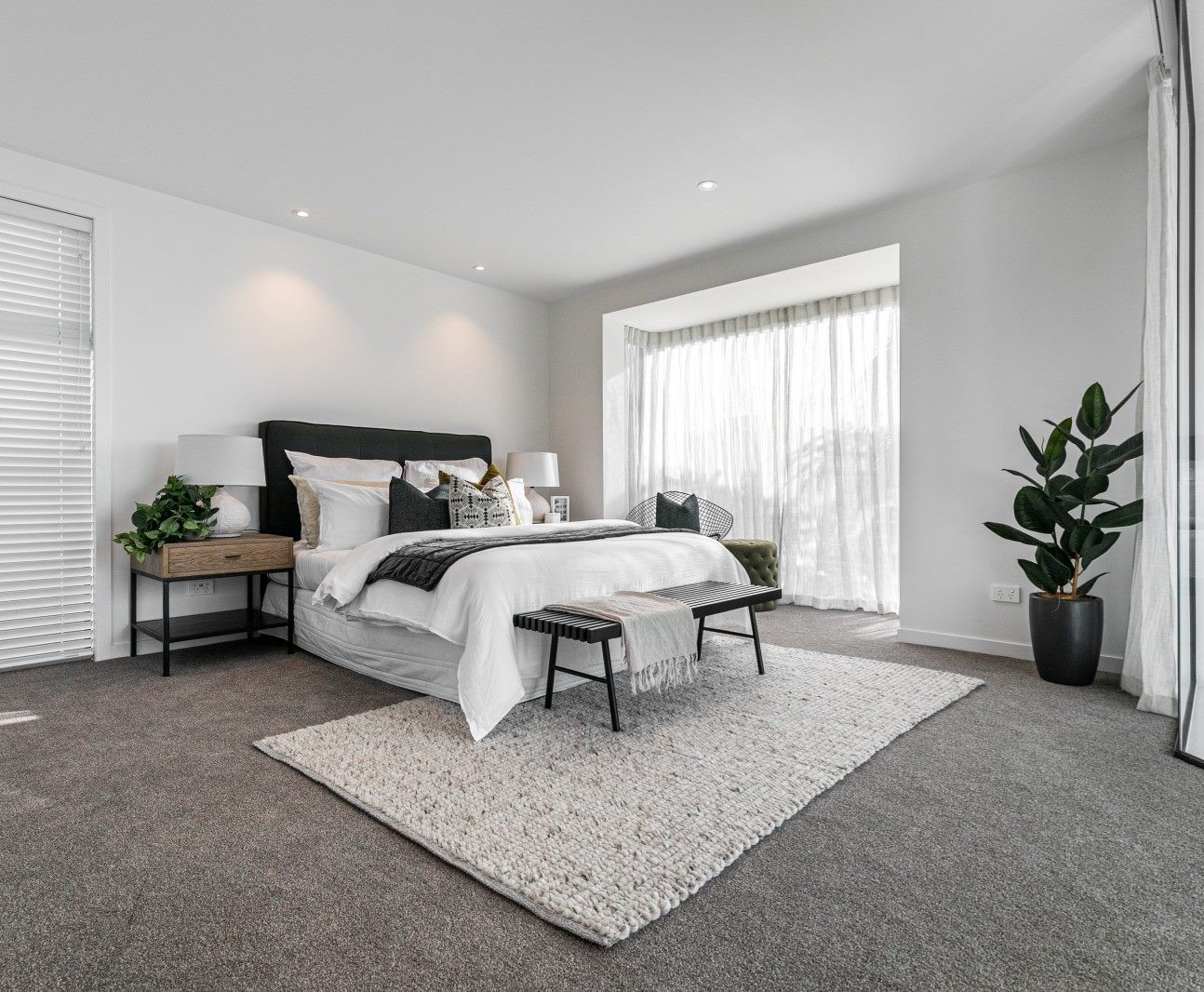
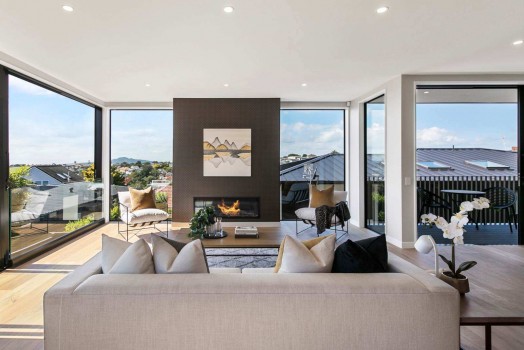
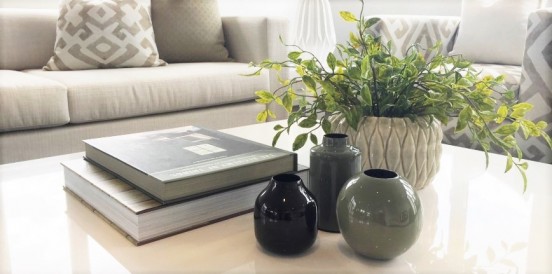
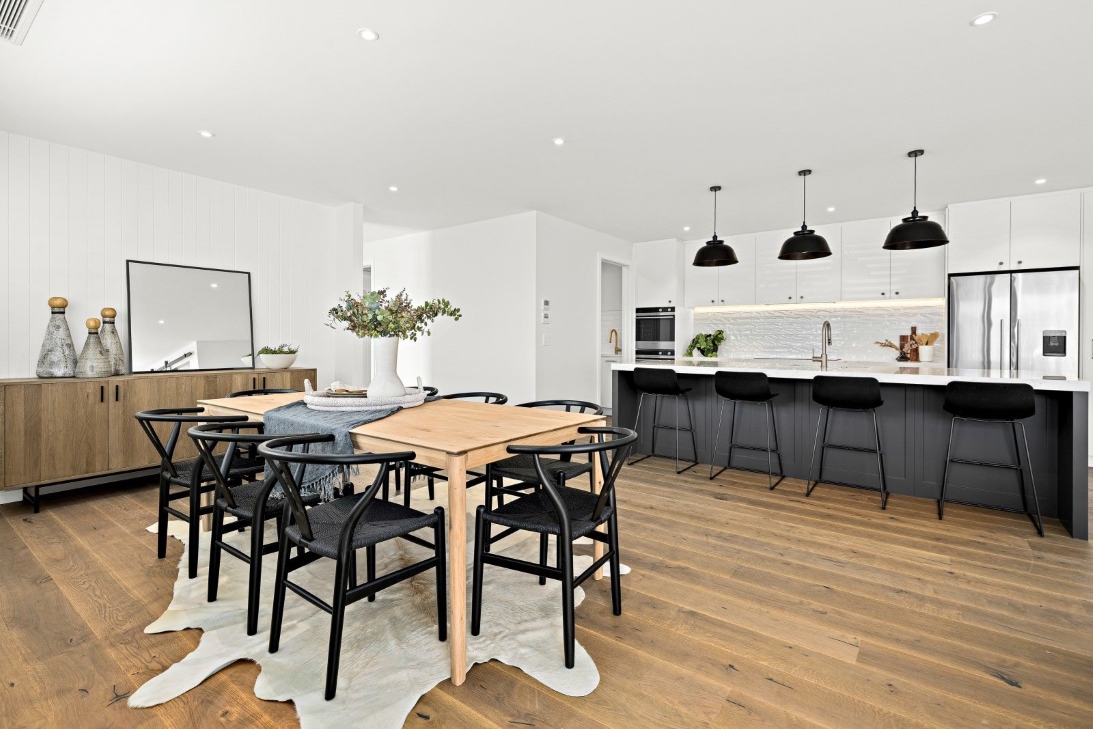
Beautiful photography is not the same as range. Look for a portfolio that includes:
A portfolio dominated by one aesthetic might mean a designer with a strong signature style. That can be wonderful if it matches what you want, and a poor fit if it does not.
This is one of the most underrated questions to ask. Interior designers in Auckland with established trade relationships can source from hundreds of suppliers and custom manufacturers that the public cannot buy from directly.
This matters for two reasons. First, you get pieces that are not available at every other home in your suburb. Second, trade pricing often offsets the design fee, sometimes entirely.
A designer working only from mainstream retail ranges has the same selection available to them that you do on a Saturday morning at Smith & Caughey's. That is not the value proposition you should be paying for.
A good designer will be able to walk you through their process clearly. There should be defined stages: initial consultation, brief and budget alignment, concept development, presentation and approval, sourcing, and install.
Vague process descriptions are a warning sign. So is an unwillingness to commit to timelines or scope in writing.
The first few interactions tell you a lot. Are emails returned within a working day or two? Does the designer ask thoughtful questions about how you live, not just what you like? Do they listen, or do they tell?
The interior design process involves real money and real disruption to your home. You need to feel heard and informed throughout.
Pricing in interior design varies. Some designers charge hourly, some charge a percentage of the project budget, some quote project-based fees, and many use a combination. None of these models is automatically better than the others, but the structure should be transparent.
You should know, before you commit:
Some businesses that call themselves designers are essentially curated retail. They have a showroom, they sell furniture, and the design service exists to support those sales.
A designer-led practice works the other way around. The design comes first, and pieces are sourced to suit your home and brief. You get a result that is genuinely tailored, not assembled from a catalogue.
There is nothing wrong with a sole designer, and many do excellent work. The trade-off is bandwidth and continuity. A team-based practice will usually have more capacity to handle larger projects, more resilience if someone is unwell, and a wider range of skills (colour, joinery, soft furnishings) under one roof.
For a full home redesign, a team often delivers a more complete result.
Use these on your shortlist call or initial consultation.
The answers should be specific. Vague answers usually mean vague delivery.
A few patterns that have come up repeatedly over the past two decades.
No clear portfolio. Every working designer should be able to show you finished projects. If everything is in progress or under NDA, ask why.
Pressure to sign quickly. A design project is a months-long relationship. Anyone pushing you to commit before you have had a proper conversation is signalling that they need the work, which usually means they are not the strongest option in the market.
Reluctance to discuss budget. A designer who cannot have a frank conversation about budget cannot deliver a project that respects it.
One aesthetic for every client. Some signature is fine. A portfolio where every home looks identical regardless of the property or the client is a sign that you will get the designer's vision, not yours.
Auckland homes have their own design challenges. North-facing living rooms behave very differently to south-facing ones. Villa proportions need different furniture scales than 1990s brick-and-tile. Indoor-outdoor flow is part of how Auckland homes are lived in, and it changes how spaces should be planned.
Designers without local experience can produce technically correct work that still feels slightly off. Designers who have furnished hundreds of Auckland homes know which sofas hold up to coastal humidity, which fabrics handle strong northern light, and which suppliers can deliver quality products that will complement your scheme and home
Local knowledge is not a soft factor. It compounds across hundreds of small decisions in a project.
You do not need to commit to a full home redesign on the first call. Most good designers in Auckland will offer an initial consultation to talk through your space, your goals, and your budget before any fee is agreed.
That conversation is the best test of fit. If it feels collaborative, considered, and free of pressure, you have the right person. If it does not, keep looking.
Book a no-obligation interior design consultation with The Look
The Look has been working with Auckland homeowners since 2003. With a senior design team led by Kate O'Connor (Fine Arts, University of Canterbury) and access to hundreds of trade-only suppliers and custom manufacturers, the practice offers a full interior design service for homeowners looking to transform their homes.
If you have a project in mind, the easiest first step is a conversation.
Get in touch with The Look | View the portfolio
What does an interior designer in Auckland New Zealand do?
An Auckland interior designer manages the full furnishing and spatial design of a home. This typically includes space planning, furniture selection and sourcing, curtains and blinds, colour consulting, and concept boards showing finishes and fabrics together. The designer manages the project from brief through to install.
How do I choose the right interior designer in Auckland?
Look for years of local Auckland experience, a portfolio with range, access to trade-only suppliers, a clear and transparent process, strong communication, and a fee structure you understand before you commit. Ask to see two or three projects similar in scope to yours, and trust your instinct on whether the initial conversation felt collaborative.
What is the difference between an interior designer and an interior decorator?
An interior designer handles the full furnishing and spatial transformation of a room or home, including space planning, furniture sourcing, and window treatments. An interior decorator focuses on accessories, soft styling, and surface finishes on top of existing furniture. For a redesign or full furnishing project, you want a designer.
How much does an interior designer in Auckland cost?
Costs vary widely depending on project scope and the designer. Some charge hourly, others quote project-based fees or a percentage of the project budget. The total investment depends on the scale of the work and the level of furnishing involved.
Why do interior designers in Auckland use trade-only suppliers?
Trade-only suppliers offer pieces that are not available at mainstream retail, often at trade pricing. This gives clients access to custom furniture makers, fabric houses, and lighting suppliers that would otherwise be closed to them. It is one of the main practical advantages of working with an established designer rather than self-sourcing from the high street.
How long does an interior design project take?
Timelines depend on scope. A single room can come together in a few weeks once the brief is agreed, while a whole-home redesign with custom pieces can run several months. A good designer will give you a realistic timeline at the brief stage and flag long-lead items early.
The Look has been designing and furnishing Auckland homes since 2003. Visit thelook.co.nz to see the portfolio or request an interior design consultation.