A development that doesn't sell on schedule costs the developer money every day it sits. Interest on construction lending continues. Rates and insurance keep ticking over. Marketing budgets quietly extend past their original timeline. And the longer completed units stay unsold, the more buyers begin to ask why nobody else has taken them yet.
For developers building 10, 20, or 50 homes, presentation is not a finishing touch. It is the difference between a clean sell-down and a project that drags into the next financial year.
Property developer staging has become one of the most reliable tools experienced developers use to accelerate sales, protect margins, and shift completed stock. This article looks at where it fits in project marketing, what the commercial case looks like in dollars, and what to expect from a staging partner equipped to work at multi-unit scale.
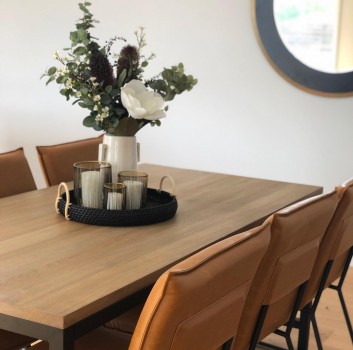
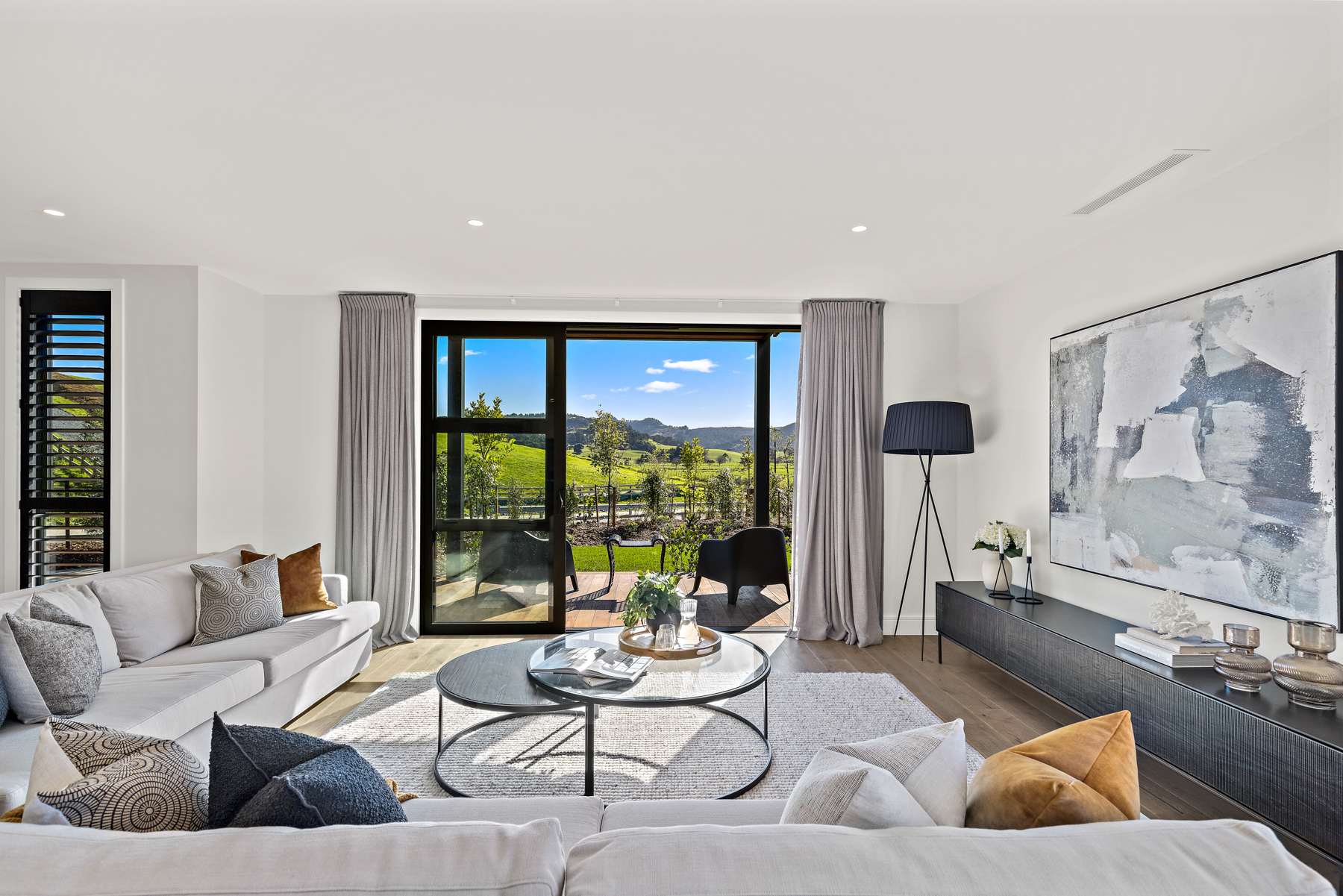
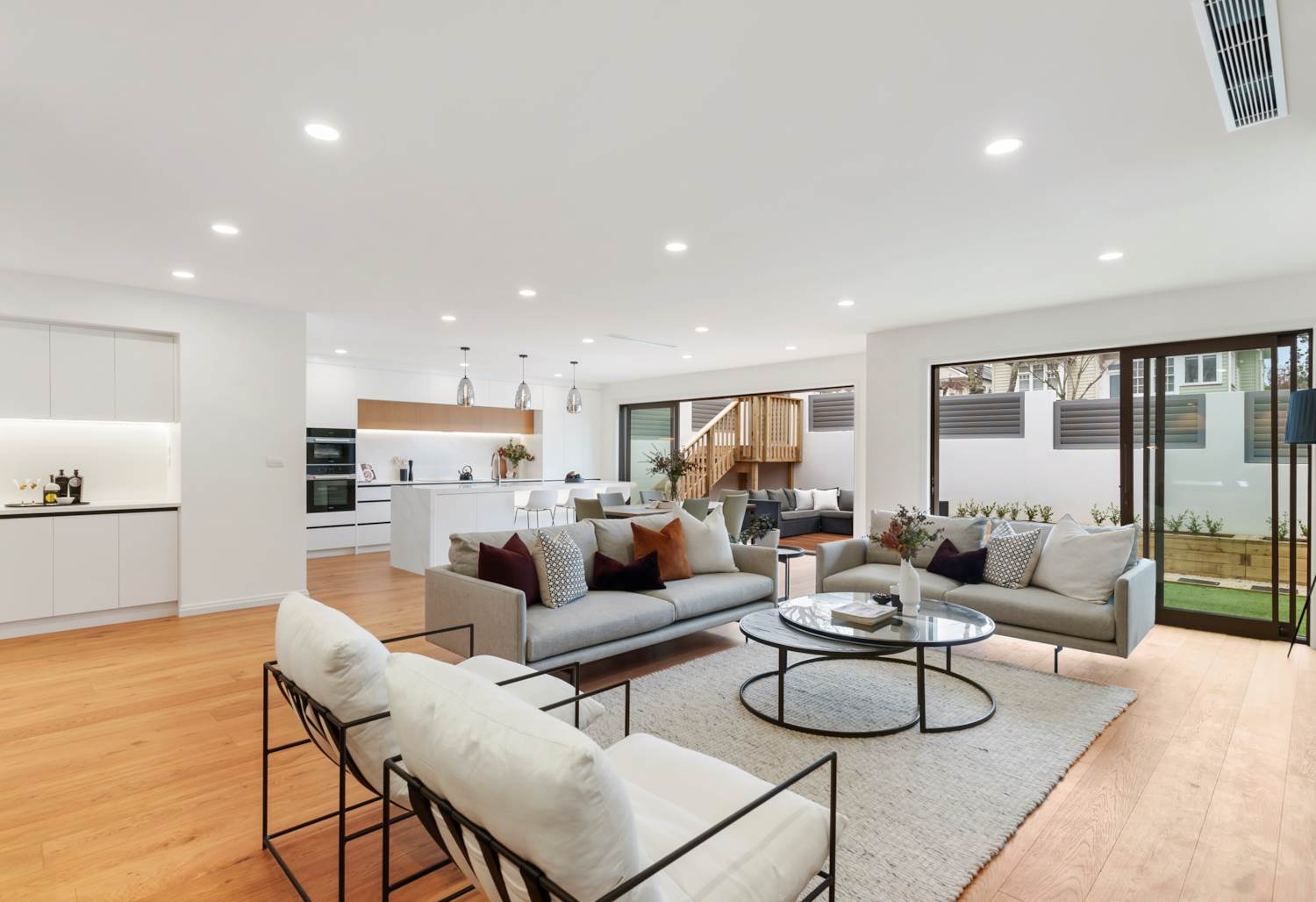
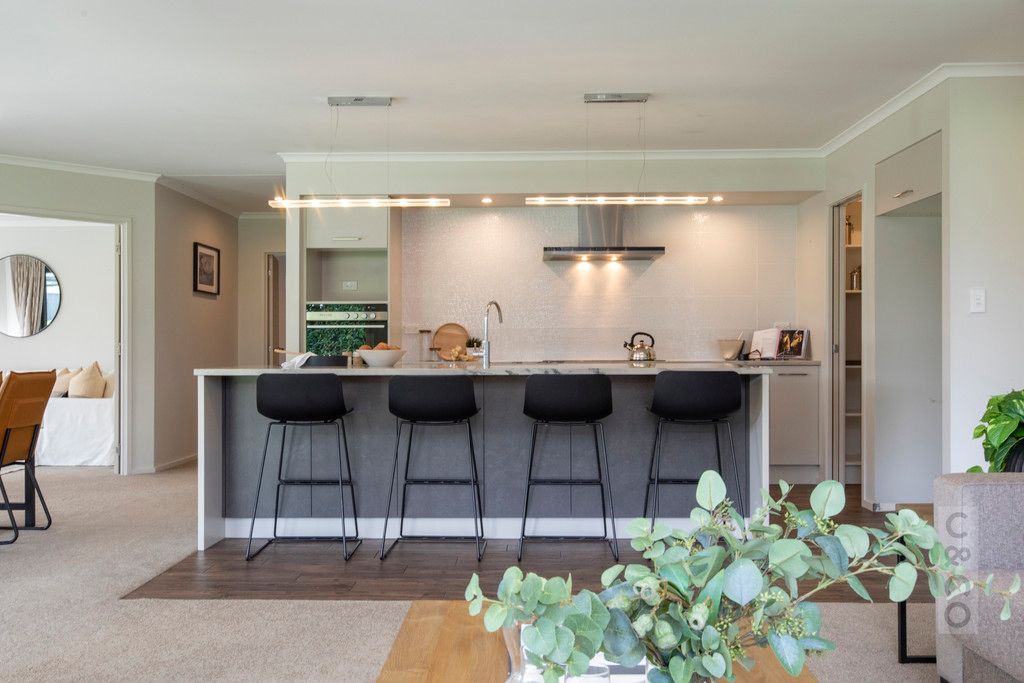
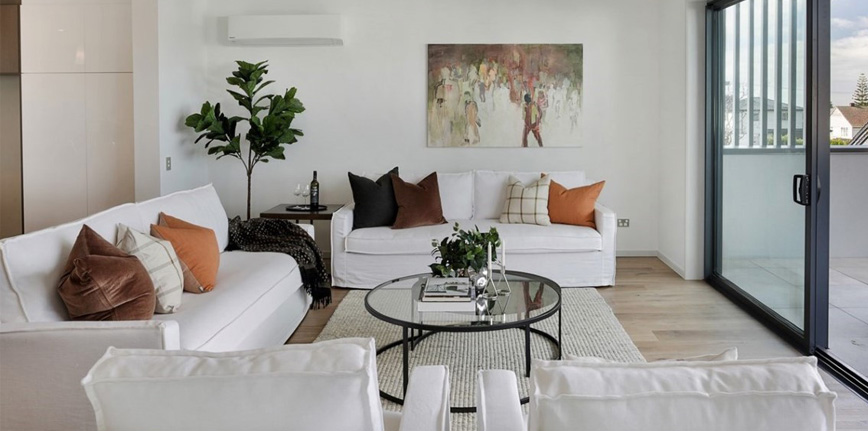
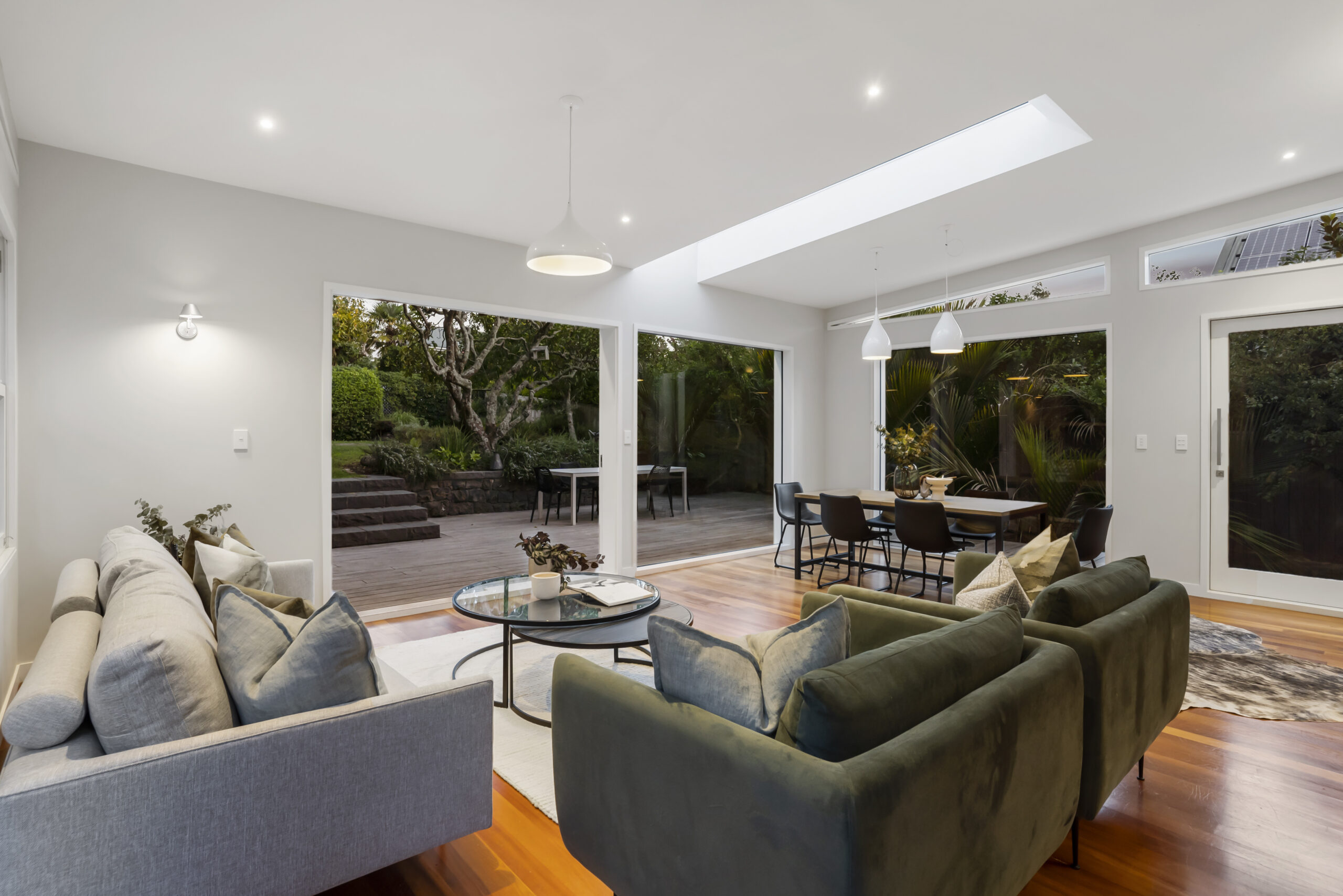
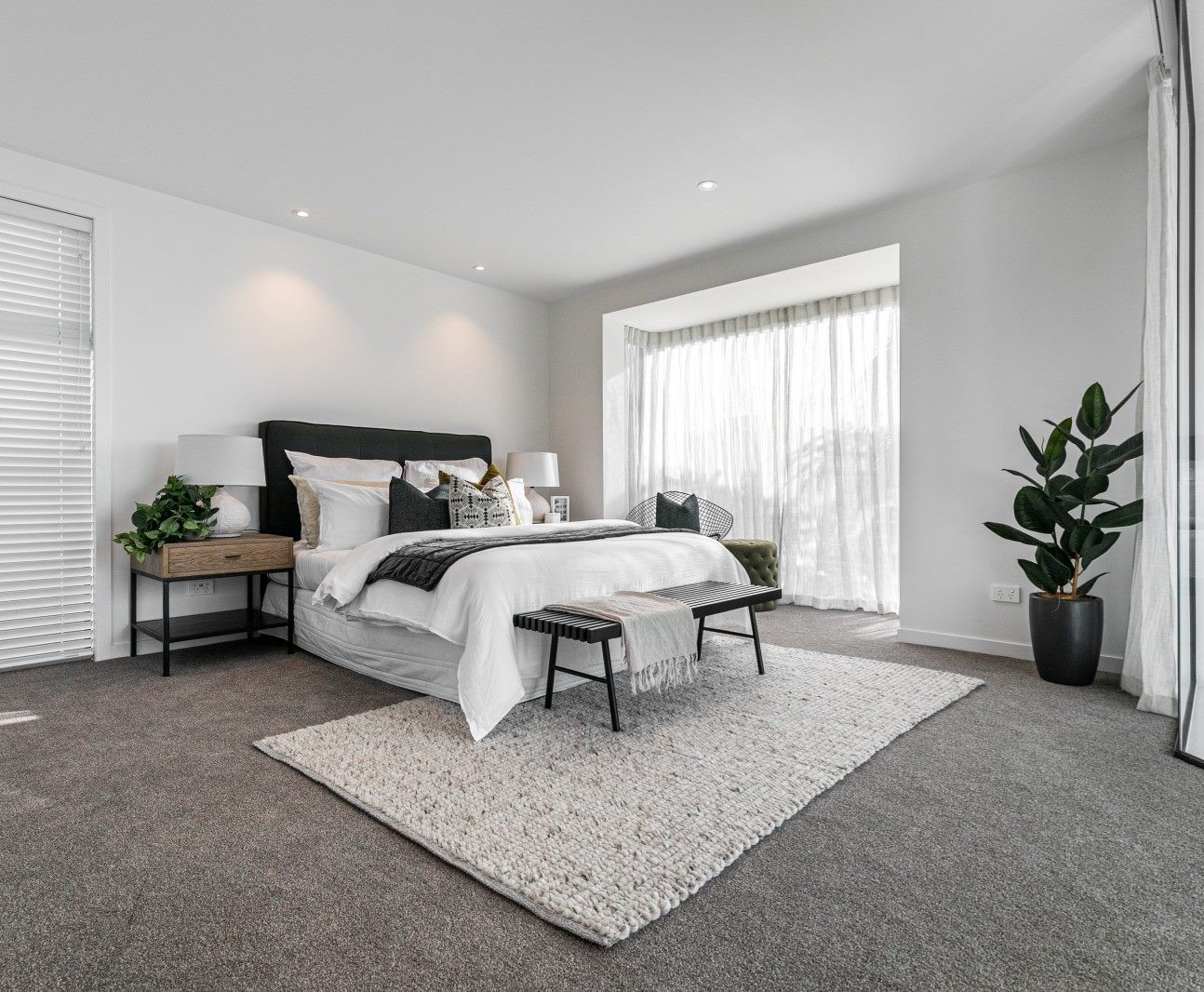
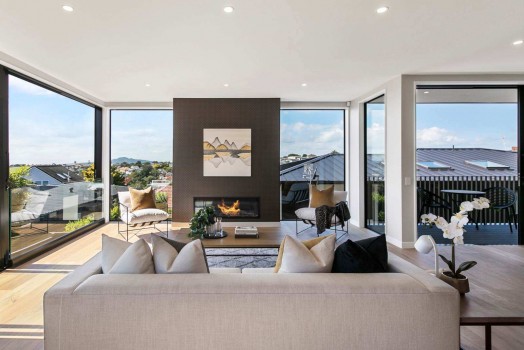
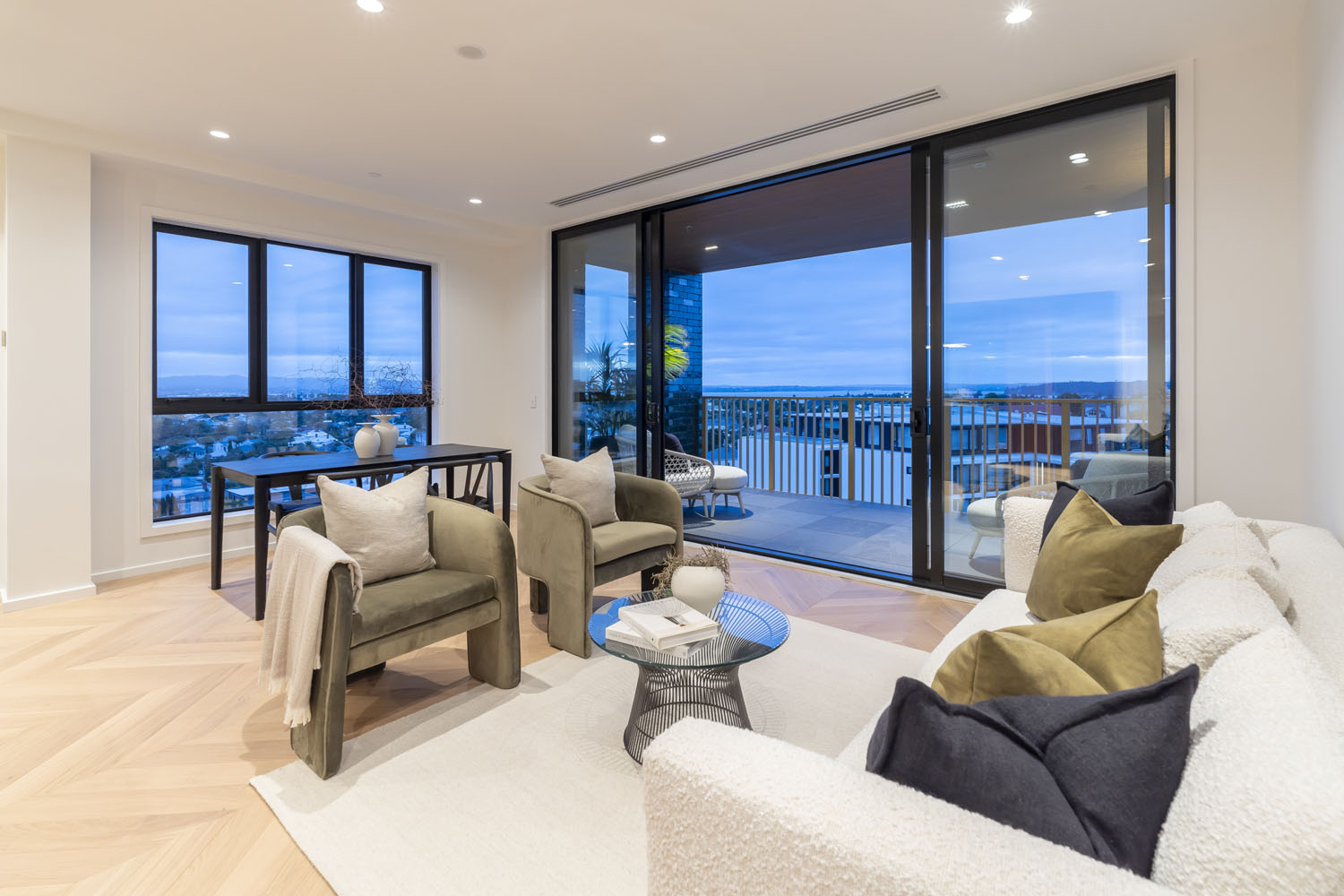
Property developer staging is the process of professionally furnishing and styling units within a residential development to support sales. It covers three distinct moments in a project's lifecycle: show homes and display suites during the launch phase, individual units being sold off the plans, and completed stock that has not yet found a buyer.
This is a separate discipline from staging a single owner-occupied house for sale. The audience is buying differently, the units need to be presented consistently across an entire project, and the scale of the work requires a staging company with inventory depth, project management capacity, and a track record at the price point of the development.
Most importantly, staging new developments is a commercial decision, not a styling decision. The numbers either work or they don't, and they almost always do.
There are three predictable reasons a development slows down at the sales stage, and all of them are addressable.
An empty room reads as smaller, colder, and less defined than the same room styled. Buyers cannot judge scale without reference points. They cannot picture how their existing furniture will fit. They cannot visualise the life that the architect intended for the space. For a $1.2 million townhouse or a $3 million apartment, these are large decisions to ask a buyer to make from a bare shell.
Staging removes the work the buyer would otherwise have to do in their own head. The room shows up complete. The lifestyle is implied. The decision is faster.
Selling off the plans means asking buyers to commit to a property that does not physically exist yet. Renders and floor plans help, but they do not replicate the experience of standing inside a finished space.
A professionally staged show home or display suite anchors the entire project in something real. It validates the renders. It confirms the build quality. It signals that the developer has thought through how people will actually live there.
Buyers comparing three or four available units in the same development are comparing them against each other as much as against the wider market. If two are staged and two are not, the unstaged ones will sit. If staging is inconsistent across the units (different styles, different quality levels, mismatched accessories), the development as a whole reads as less considered.
A staging company working across a development should produce a coherent visual language across every unit, calibrated to the buyer demographic the developer is targeting. This doesn't mean every unit has to look the same, rather the quality and consistency of the staging should both appeal to the targeted demographics.
For developers, the question is not "does staging look nice" but "do the numbers stack up across the project". They generally do, by a wide margin.
A completed but unsold unit carries:
For a $1.5 million townhouse, monthly carrying costs of more than $10,000 are typical once finance, holding costs, and marketing are added together. Multiply that across multiple unsold units, and a six-week delay in sell-down can cost a developer more than the entire staging budget for the project.
New Zealand industry data consistently shows staged properties achieving 5 to 10% higher sale prices than equivalent unstaged properties. On a $1.5 million unit, even the lower end of that range represents $75,000. Across a development of 12 units, that is $900,000 in lift, against a staging investment that is typically a fraction of one unit's uplift.
The maths is rarely close. Project marketing staging tends to pay for itself on the first unit, with every subsequent unit contributing pure margin.
Staged properties in New Zealand sell up to three times faster than unstaged equivalents. For a developer, time saved is interest saved, rates saved, and capital freed up for the next project. The compounding effect across a multi-unit development is significant.
| Cost Driver | Unstaged Development | Staged Development |
| Average time to sell per unit | Slower (often 2 to 3x) | Faster |
| Sale price per unit | Baseline | Typically 5 to 10% higher |
| Carrying costs across project | Higher (longer hold) | Lower |
| Buyer perception | "Why hasn't it sold?" | "Premium, ready to move into" |
| Marketing photography quality | Limited (empty interiors) | Strong, marketable, listing-ready |
Staging fits naturally into three points of a development's lifecycle. Most experienced developers use it at all three.
Before a development goes to market, the show home or display suite sets the tone for the entire project. Buyers walk in, form an impression in seconds, and decide whether to take the next step. Staging at launch is not optional for a serious development. It is the marketing centrepiece.
A professionally staged show home does three jobs at once. It makes the architecture sing. It demonstrates the buyer lifestyle the development is built around. And it gives the marketing team a setting they can photograph, film, and use across every channel for the duration of the campaign.
Even when a show home exists, buyers committing to specific units off the plans benefit from being able to walk through a fully staged space. The show home does not need to be every unit in the development, but it does need to credibly represent the experience of living in any of them.
Some developers stage one or two show units across different floor plans within a project so buyers can experience the actual configuration they are considering. This is particularly effective for developments with significant variation between unit types.
This is where staging tends to deliver its most visible commercial returns. A completed unit that has been on the market for months without selling is rarely failing because of the unit itself. Buyers are usually struggling to picture themselves living in an empty box at a premium price point.
Staging a completed unsold unit (or several) transforms the listing photos, the open home experience, and the buyer's emotional read of the property. Developments that had stalled often resume sales within weeks of staging being introduced.
One of The Look's recent developer engagements involved a major Auckland apartment development on the Eastern Bays. The project included seven multi-million dollar penthouses across multiple buildings.
The developer had marketed the penthouses actively throughout construction. Renders had been commissioned. Brochures had been printed. The campaign had been running for some time. Despite all of this, no sales had been made on any of the seven units before staging was introduced.
The Look was engaged to stage the penthouses to the standard their price point required. The brief was to give each unit the presence and lifestyle context that the renders could not, and to do so consistently across all seven so the development read as a coherent offering.
Once staging was in place, sales began. The agent on the project described the staging as instrumental in changing the trajectory of the campaign, and the developer's quote on the result captures the value plainly: "The properties are upper mid-range, the staging makes it look high-end."
What this case shows is something most experienced developers eventually learn the hard way. Top-end stock cannot be sold from an empty shell. Buyers at that price point are buying a lifestyle, and that lifestyle has to be present in the room before they are prepared to commit.
Staging one home is a discrete project. Staging a development of 10 to 20 units is a logistics exercise, a design exercise, and a project management exercise, all running in parallel. A staging company suited to single-property work is not necessarily equipped for developer-scale projects.
The differences worth understanding:
A staging company working across a development needs enough furniture and accessories to dress multiple units to the same standard at the same time, without recycling the same pieces between adjacent units. A small inventory will be obvious to anyone walking the development, and to buyers comparing units side by side.
A development might include studio apartments, two-bedroom townhouses, and premium penthouses within the same project, all of which need to be staged to match their respective buyer demographics. A single staging style applied uniformly across that range will read as inconsistent.
Coordinating staging across multiple units, often around live trades, photography schedules, and open home calendars, requires a project manager who has done it before. Schedules slip when the staging company is improvising.
The most useful relationships between developers and staging companies are ongoing. The staging company learns the developer's price points, target buyers, and aesthetic preferences. By the time a third or fourth project comes around, the process is faster, smoother, and tighter on cost than a first engagement could ever be.
For developers selecting a staging partner for a new project, a short list of questions separates the companies equipped for multi-unit work from those that are not.
How many developments have you staged? Single-property staging experience does not transfer automatically. Ask for examples of multi-unit projects, ideally at the price point of your own development.
What is the size and range of your inventory? A staging company should be able to walk you through their inventory and demonstrate that it covers the range your development requires. If they can only stage one style, they cannot serve a development with multiple unit types.
Can you stage to the standard the development is priced at? Staging a $3 million penthouse is not the same exercise as staging a $700,000 townhouse. The furniture, the accessories, and the design sensibility all have to match the buyer expectation at that price point.
How do you manage logistics across multiple units? Project coordination, schedule discipline, and communication matter more on a development than on a single property. Ask how they will work alongside your build schedule and your sales team.
What is your track record on results? Specific stories about projects that sold faster or for more after staging are worth more than general claims. A staging company comfortable with this kind of conversation is one that has had it before.
The Look has staged Auckland properties since 2003, working across every property type the city contains, from compact apartments to multi-million dollar penthouses. The team includes named designers with fine arts backgrounds and decades of combined staging experience, and the furniture inventory carries the depth and range a multi-unit development requires.
Developer engagements form a meaningful and growing part of the work, with case studies including the Eastern Bays penthouse project referenced above. The company is set up for repeat developer relationships rather than one-off transactions, and the value of staging compounds quickly across multiple projects with the same client.
For developers planning their next project marketing campaign, the earlier a staging partner is engaged, the more thoroughly the staging can be integrated into the launch. The best outcomes come from staging that is built into the project plan from the start, not added on once the units are already sitting unsold.
Next Steps for Developers
If you are planning a development launch, working through a stalled sell-down, or considering staging as part of your standard project marketing approach, the most useful conversation is the first one. A short call covers the units, the price points, the buyer demographic, and the project timeline, and gives you a clear sense of what staging can do for the numbers on your project.
Request a developer staging consultation from The Look. Auckland's most experienced home staging company, with 22 years of transforming properties and a developer portfolio that includes some of the city's most demanding multi-unit projects.