The short answer: buyers notice light and space before anything else, then smell, then cleanliness, then how much of your life is still visible in the room. Almost none of this is what sellers spend their preparation money on. That gap is why two comparable homes on the same street can sell weeks and tens of thousands of dollars apart.
We have staged homes across Auckland since 2003, from Grey Lynn villas to North Shore apartments to multi-million dollar penthouses. In that time, one pattern has held: sellers prepare for the walk-through they imagine, and buyers experience something quite different.
You stopped seeing your own home years ago. The mark on the hallway wall near the light switch, the smell of last night's dinner in the curtains, the way the second bedroom has slowly become a place where things are stored rather than a room someone sleeps in. Your brain edited all of it out long ago, because that is what brains do with familiar surroundings.
A buyer arrives with none of that editing. They walk in cold, on a Saturday, with three other properties to see before lunch. Everything you have stopped noticing is the first thing they see.
This is the single most useful thing to understand before you go to market. Preparation is not about making your home nicer. It is about seeing it the way someone who has never been there sees it, which is genuinely difficult to do on your own.
Buyers do not consciously work through a checklist. They form a feeling, and then look for reasons to justify it. But the feeling assembles itself in a fairly consistent order.
1. Light and the sense of space. This registers before a buyer has taken three steps. Rooms read as generous or mean almost instantly, and the judgement is made on sightlines and brightness rather than square metres.
2. Smell. Faster than sight in some respects, and far harder to recover from. Pets, damp, cooking, and the particular staleness of a house that has been shut up all week are all noticed immediately and mentioned to a partner in the car afterwards.
3. Cleanliness, read as maintenance. Buyers do not separate "this needs a wipe" from "this has not been looked after". A grubby oven becomes a question about the roof.
4. Traces of the current owner. Family photographs, the calendar on the fridge, a wardrobe packed to the rails. Each one is a small reminder that this is someone else's home, and each makes it harder for a buyer to picture it as theirs. Research by the National Association of Realtors found that 83% of buyers' agents say staging makes it easier for a buyer to visualise a property as their future home.
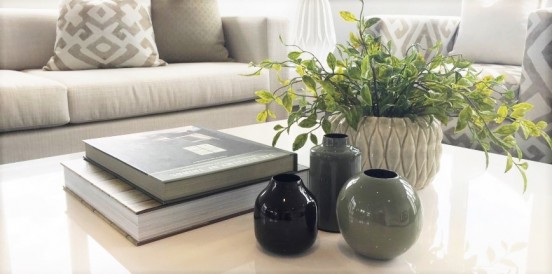
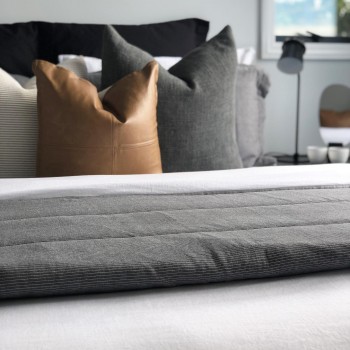
5. Detail. Cushions, light bulbs, door handles, the state of the deck. Buyers rarely register these individually. They register the sum of them as a feeling that the home has been cared for.
Buyers form their first judgement at the front door, before they see a single room that matters. What happens in those few seconds sets the mood for everything after it, which is why a promising home can lose a buyer in the hallway.
An entrance that works does three things. It is clear, so nobody is stepping around shoes. It is bright, because entryways in Auckland homes are frequently the darkest point in the house. And it opens a sightline into something appealing, rather than into a wall or a laundry door.
The hallway then carries that impression forward. Scuffed walls, a dated light fitting, and a narrow run of dark carpet will undo a good front door within metres. Fresh paint on a hallway is one of the highest-return small jobs a seller can do before going to market.
Most Auckland sellers move out before their campaign begins, and this is where the largest and least understood problem appears.
An empty room does not look bigger. It looks smaller. With no furniture to give it scale, a buyer has nothing to measure the space against, and their eye defaults to the imperfections instead: the join in the flooring, the patched wall, the awkward corner. Empty rooms also photograph poorly, and the listing photograph is where most Auckland buyers decide whether to attend at all.
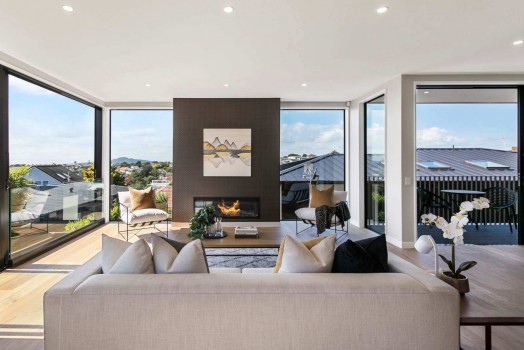
We saw this play out at the top of the market. A developer in the Eastern Bays had built seven multi-million dollar penthouses and marketed them throughout construction. Not one had sold. The apartments were finished to a very high standard and entirely empty, and buyers walking through them could not read what they were looking at. Once the penthouses were professionally staged, they began to sell.
That is the part a tidy-up cannot solve. Cleaning and decluttering remove the reasons a buyer might say no. Furnishing and styling give them the reason to say yes.
Some of the most common pre-sale spending does very little for the sale price.
The spending that consistently earns its keep is unglamorous: professional cleaning, hallway paint, better light bulbs, trimming whatever is blocking the windows, and staging the home properly once it is empty.
Preparation removes objections. Staging creates desire, and it does so with tools most sellers do not have access to.
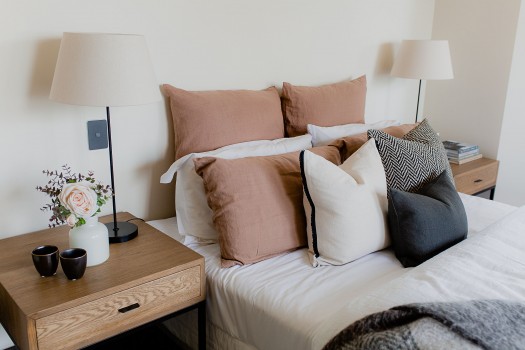
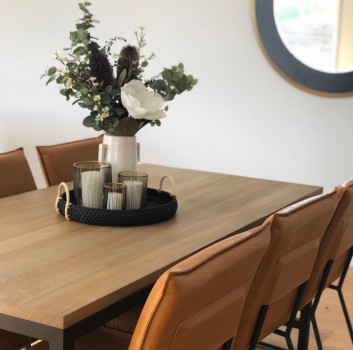
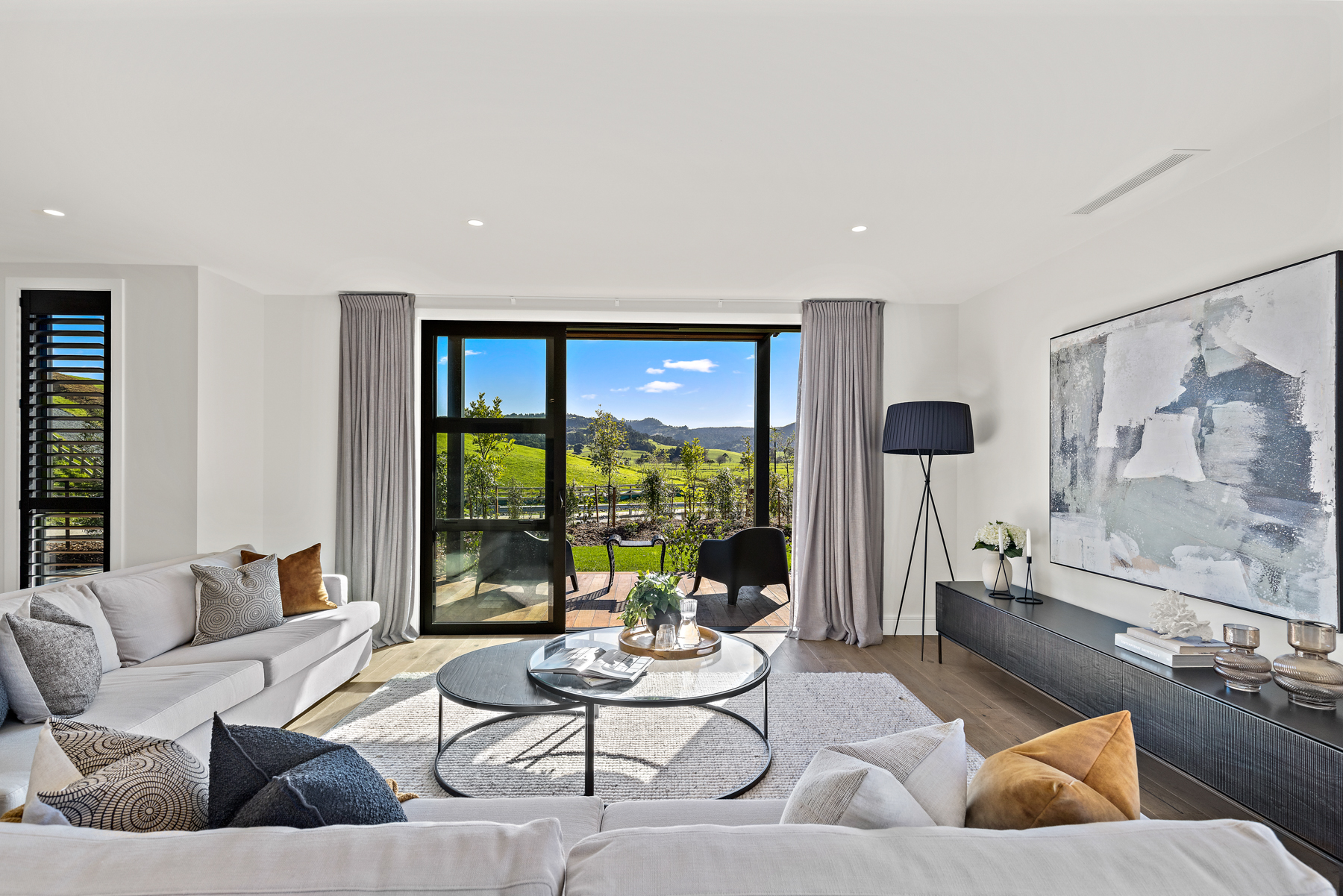
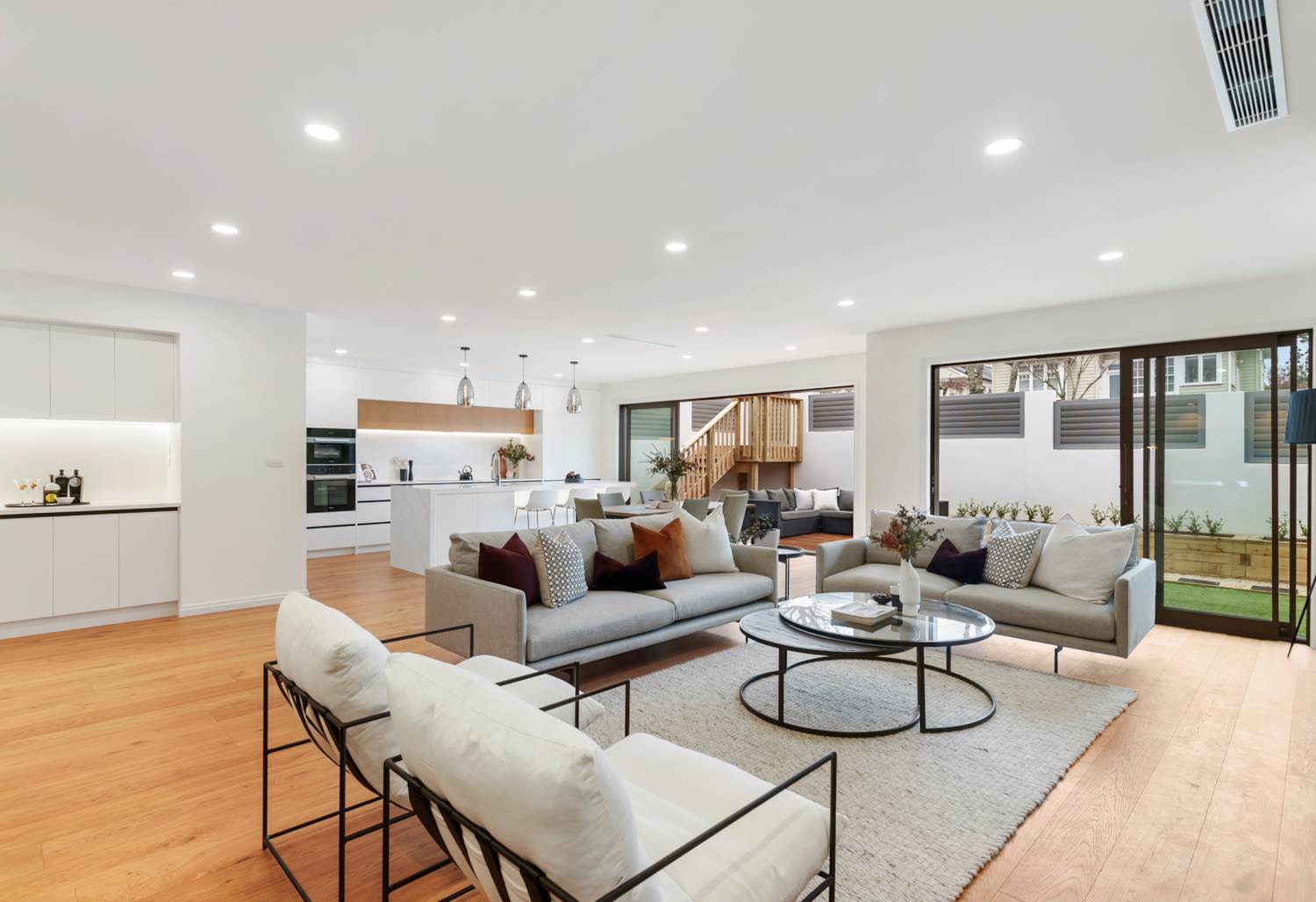
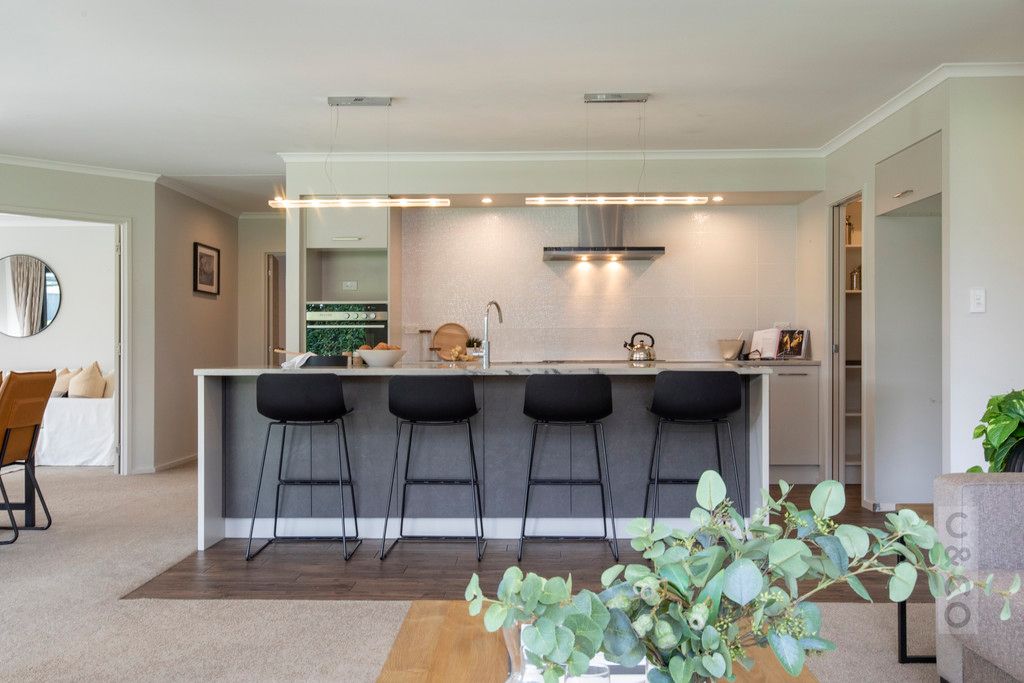
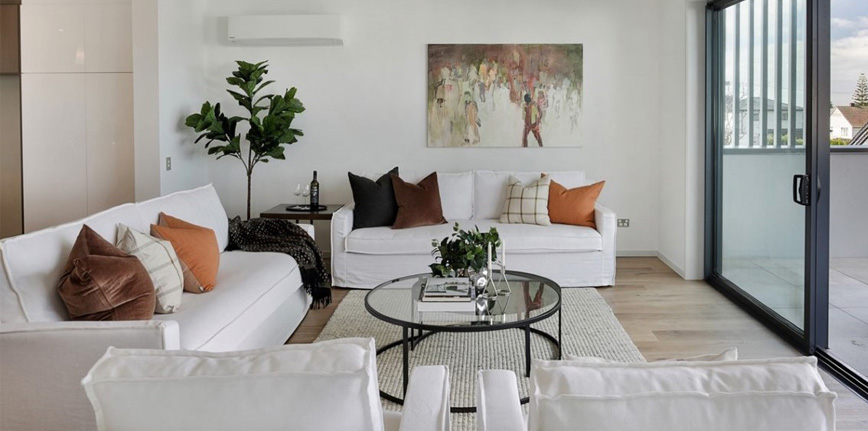
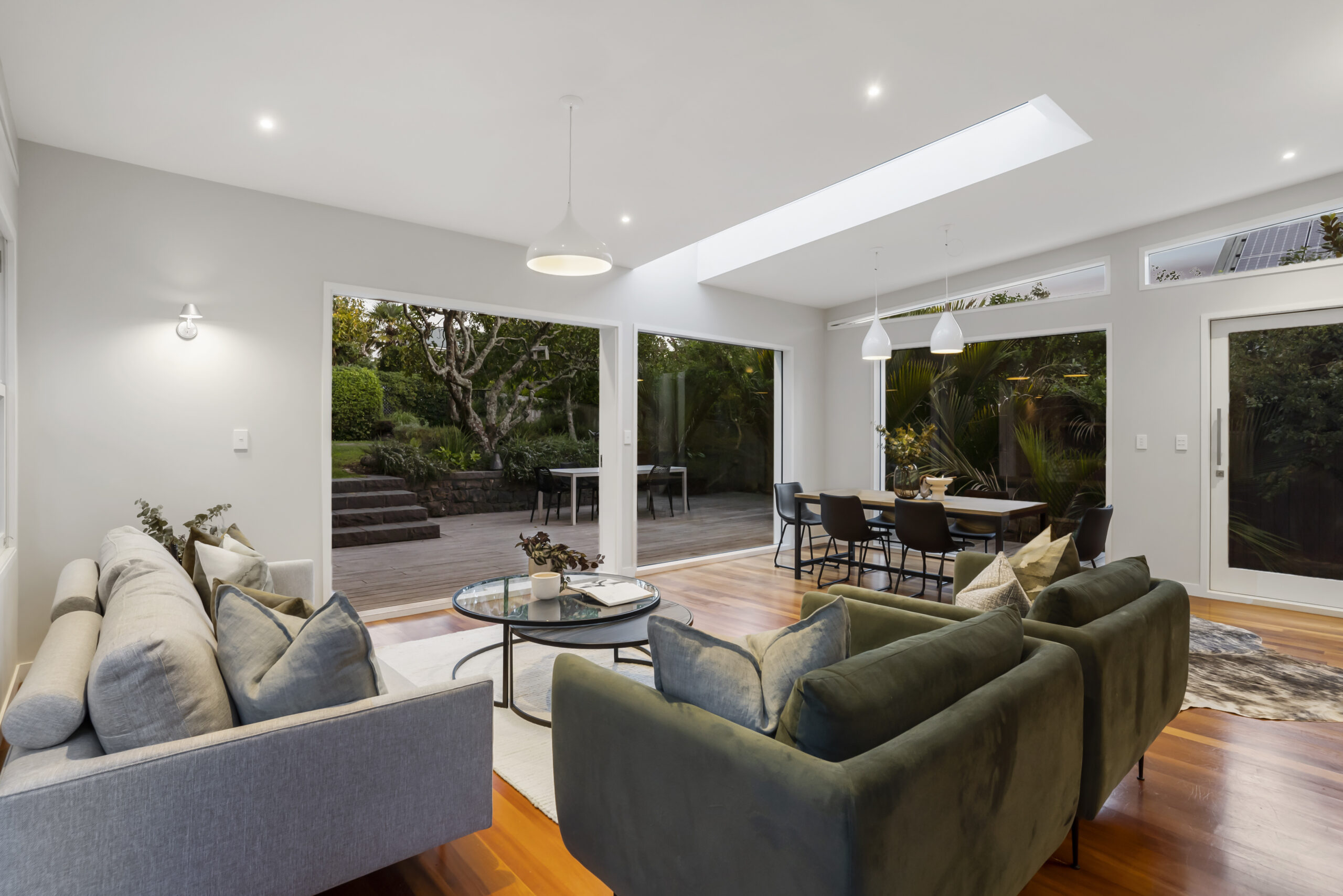
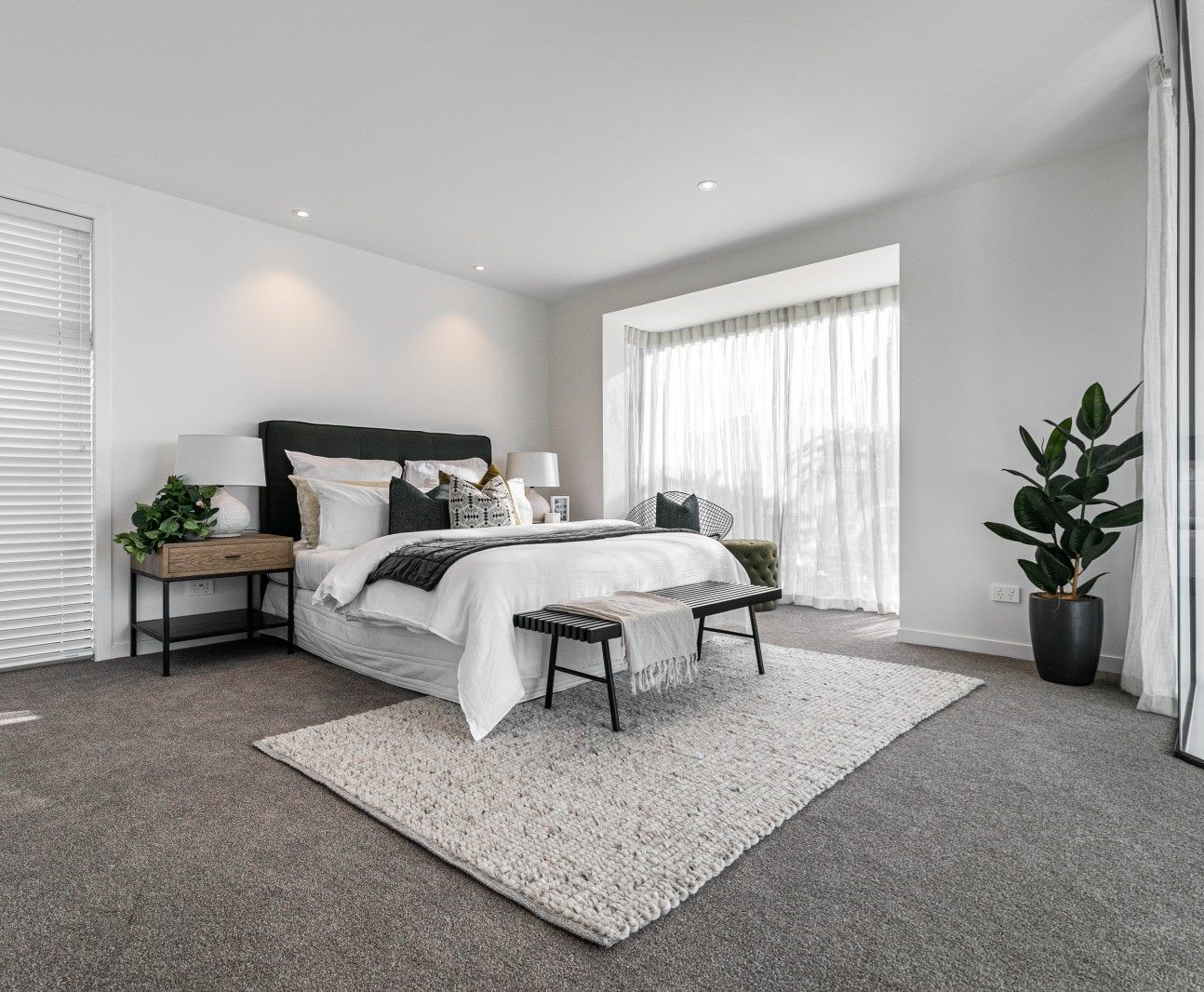
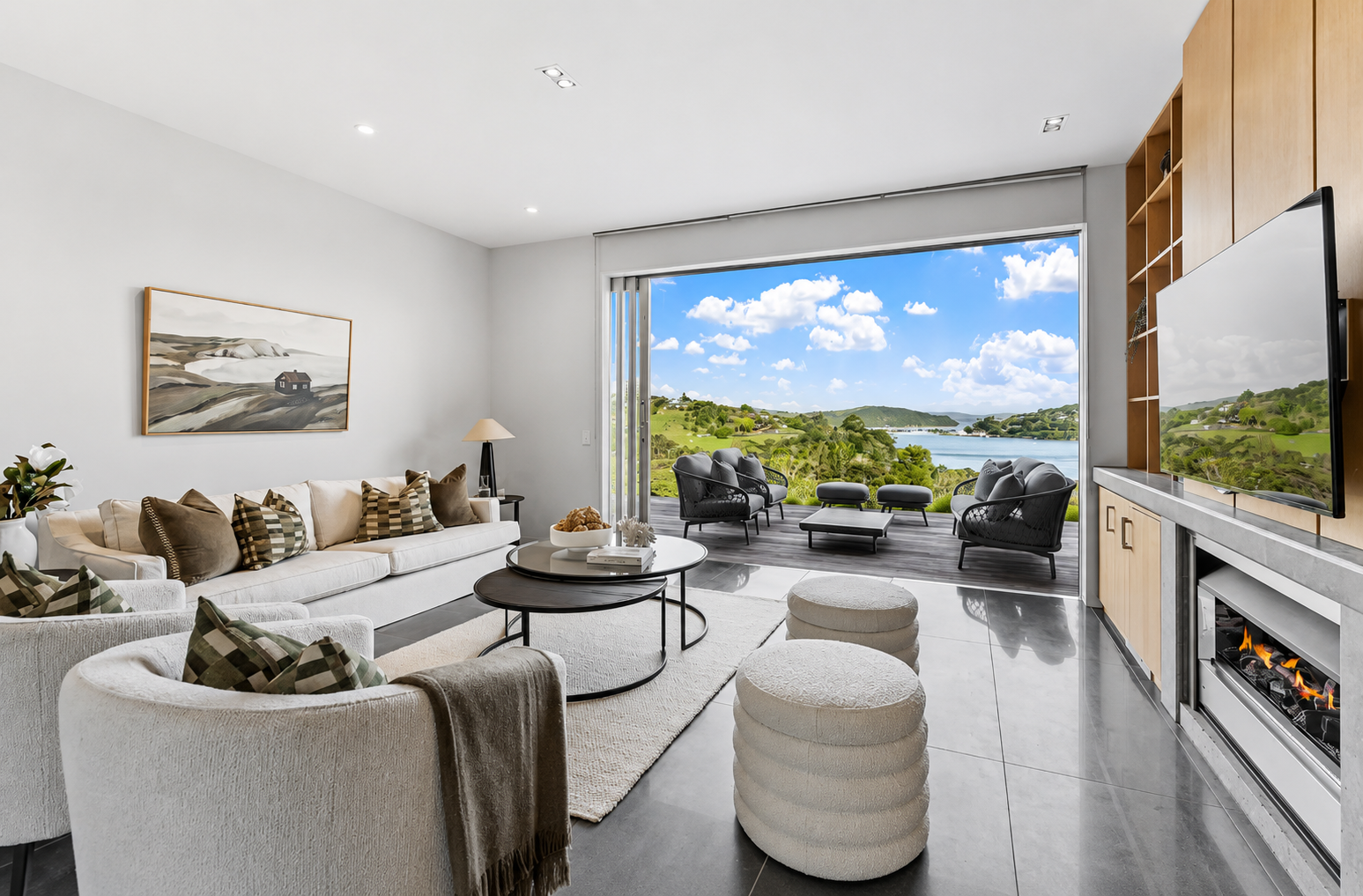
Furniture is chosen to suit the room rather than to fill it, so proportions read correctly. Sightlines are composed so that each doorway frames something worth walking towards. Pieces are selected for the buyer this particular property will attract, which is a different decision in Remuera than in Mt Eden. And the whole scheme is built to photograph well, because the campaign begins online days before anyone stands in the room.
Our staging runs for a five-week hire period and includes preparation, styling, transport, insurance, pack-up and removal, with all furniture and accessories supplied. You can see the results across our portfolio of Auckland homes and in what our clients say afterwards, including one seller whose home sold on the second open day after two months on the market unstaged with, in her words, no nibbles.
Light and the sense of space, usually within the first few seconds and before a buyer has consciously assessed anything. Bright rooms with clear sightlines read as larger and more welcoming than their actual dimensions suggest, which is why window coverings, bulb temperature and furniture placement matter more than most sellers expect.
No. Empty rooms read as smaller because buyers have nothing to judge scale against, and any flaw in the floor or walls becomes the focal point. This is the main reason vacant properties are staged rather than left as they are.
Most sellers stage the entire property. Buyers compare rooms against each other as they move through, so a styled living room next to a bare bedroom creates its own problem. Staging just a room or two can save a little money, but it can take away from the property's impact and marketing potential.
At least two weeks before your campaign begins, and earlier during spring and summer when Auckland listings peak. We can stage at short notice in an emergency, but it limits the choices available to you.
Auckland buyers see several properties in a weekend and remember very few of them. What separates the ones they remember is rarely the renovation budget. It is whether the home felt considered from the moment they walked in.
If you are preparing to sell and want your property to be the one buyers keep thinking about on the drive home, request a free, no-obligation onsite quote. We will walk through the property with you and tell you exactly what will move the needle, and what will not.