Selling your home for the first time is one of the biggest financial decisions you will ever make. And in Auckland's competitive property market, how your home looks on listing day can mean the difference between a quick sale above your expected price and weeks of silence.
That is where home staging comes in. If you have never staged a property before, this guide covers everything you need to know — from what home staging actually involves, to what it costs in Auckland, to how it can help you maximise your sale price.
What Is Home Staging and How Does It Work?
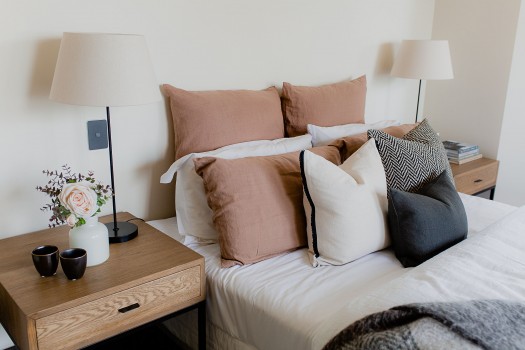
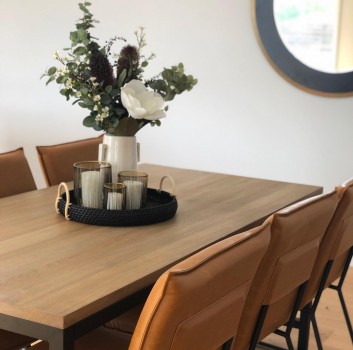
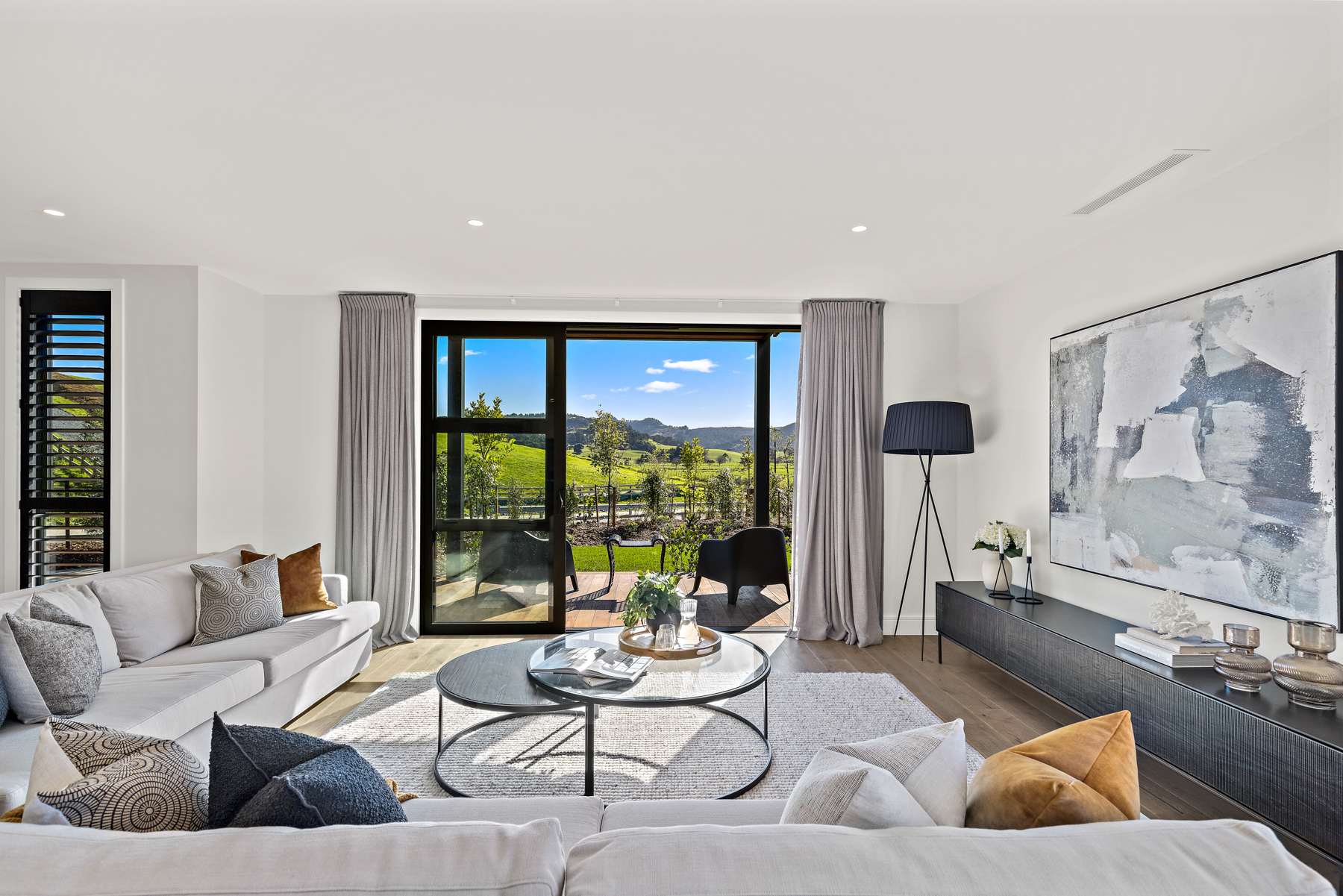
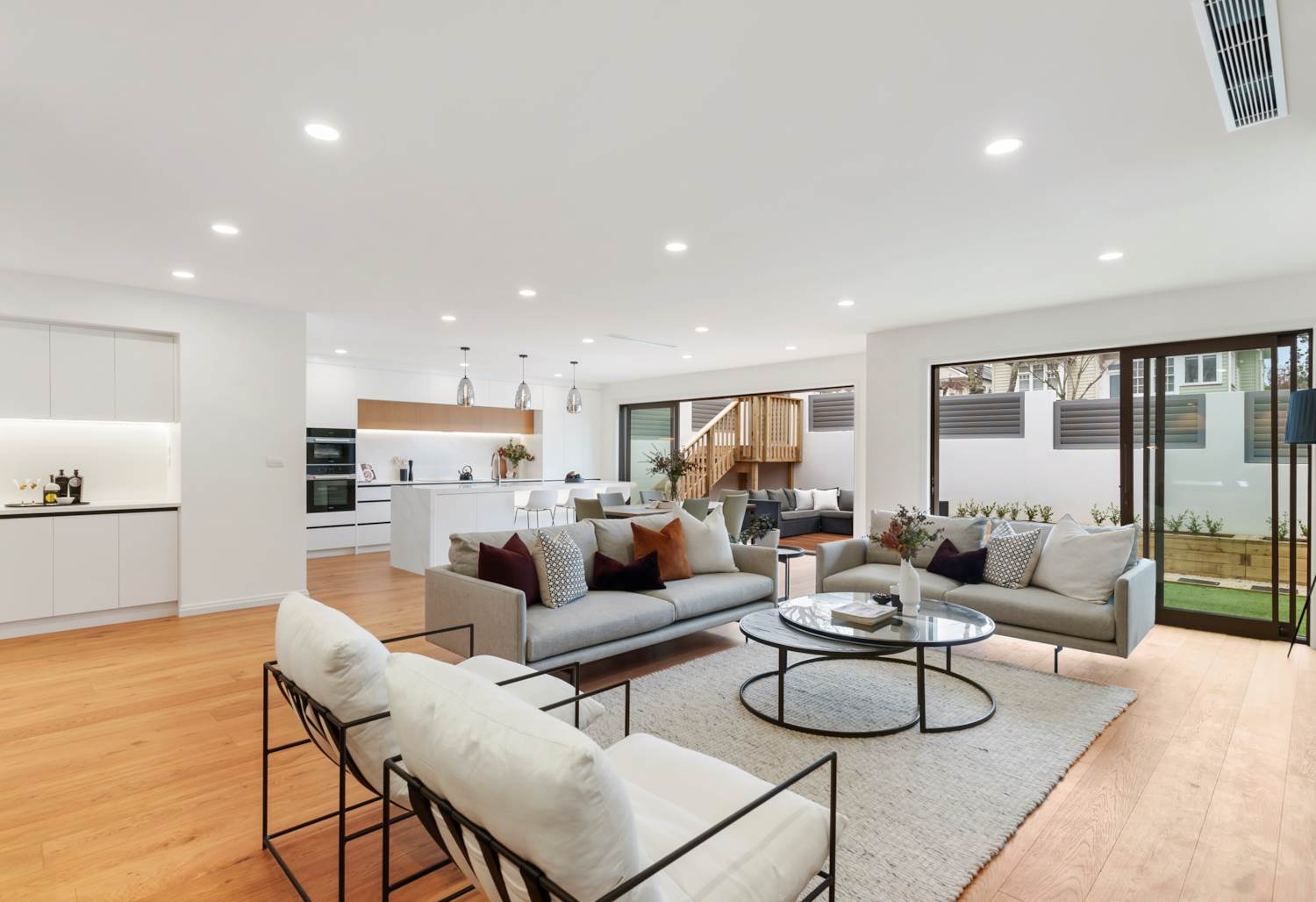
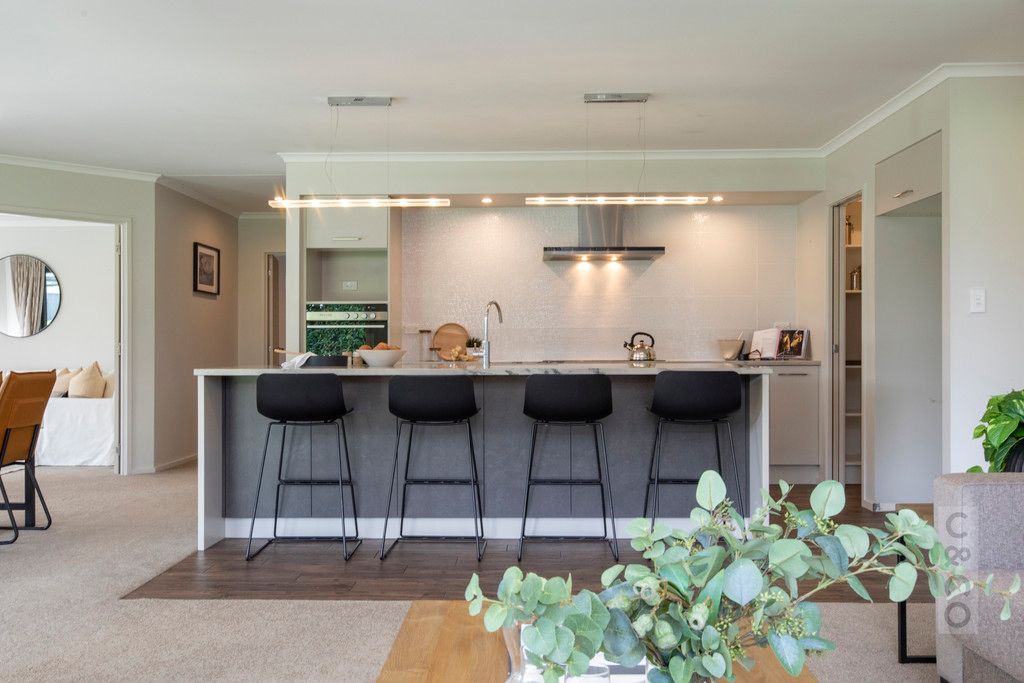
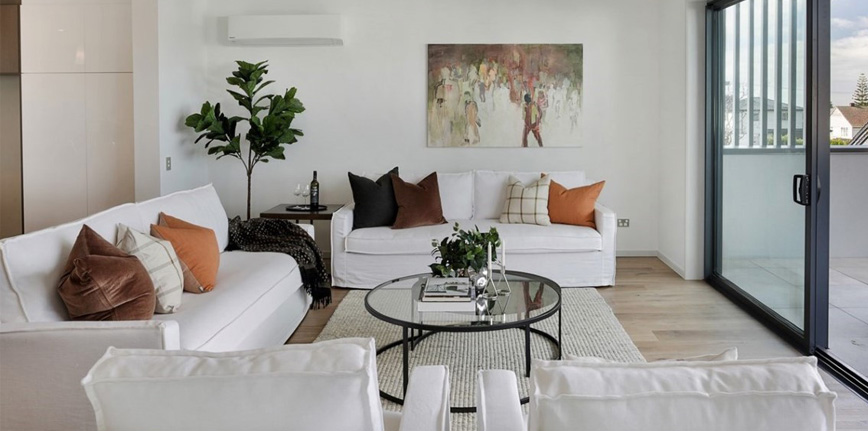
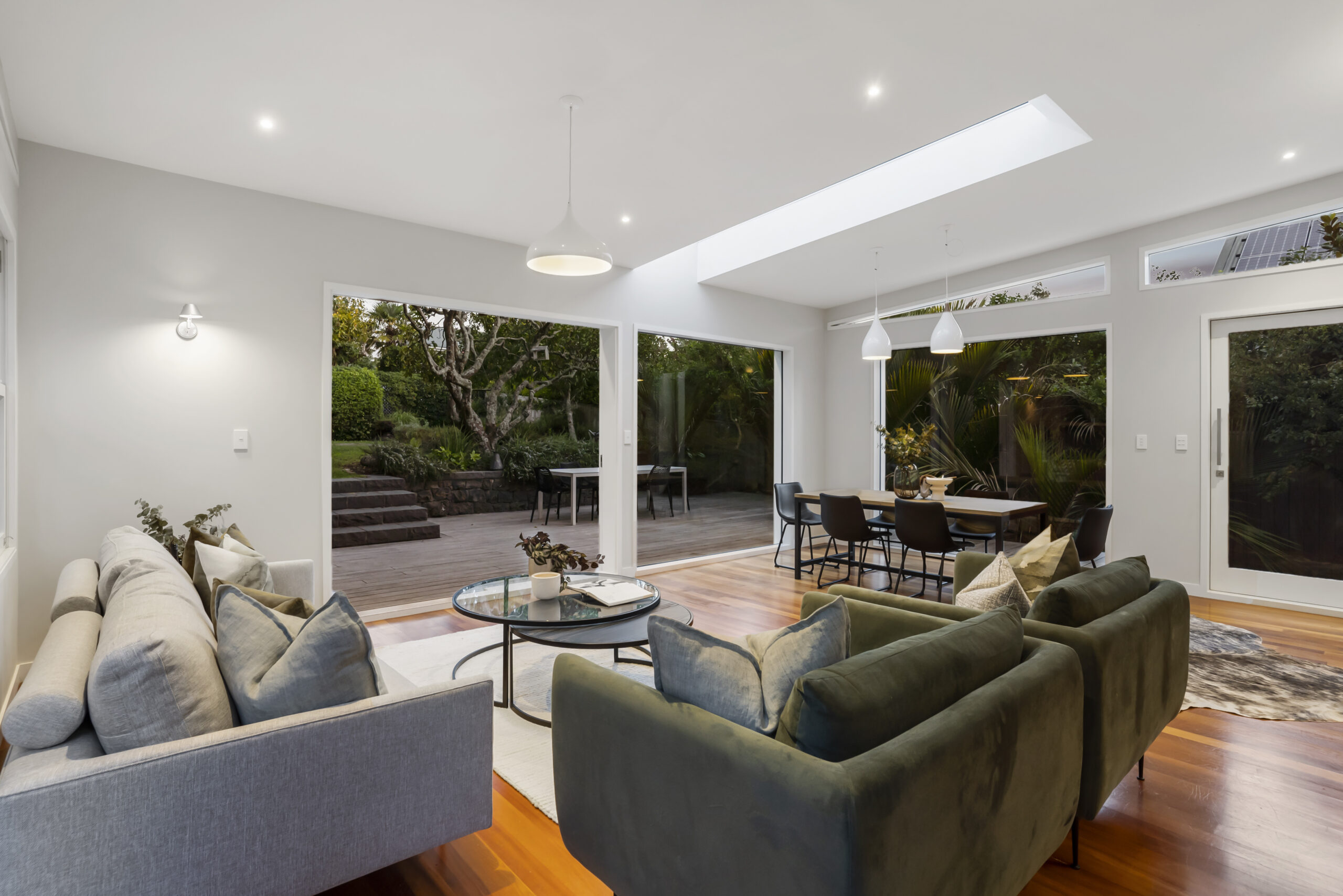
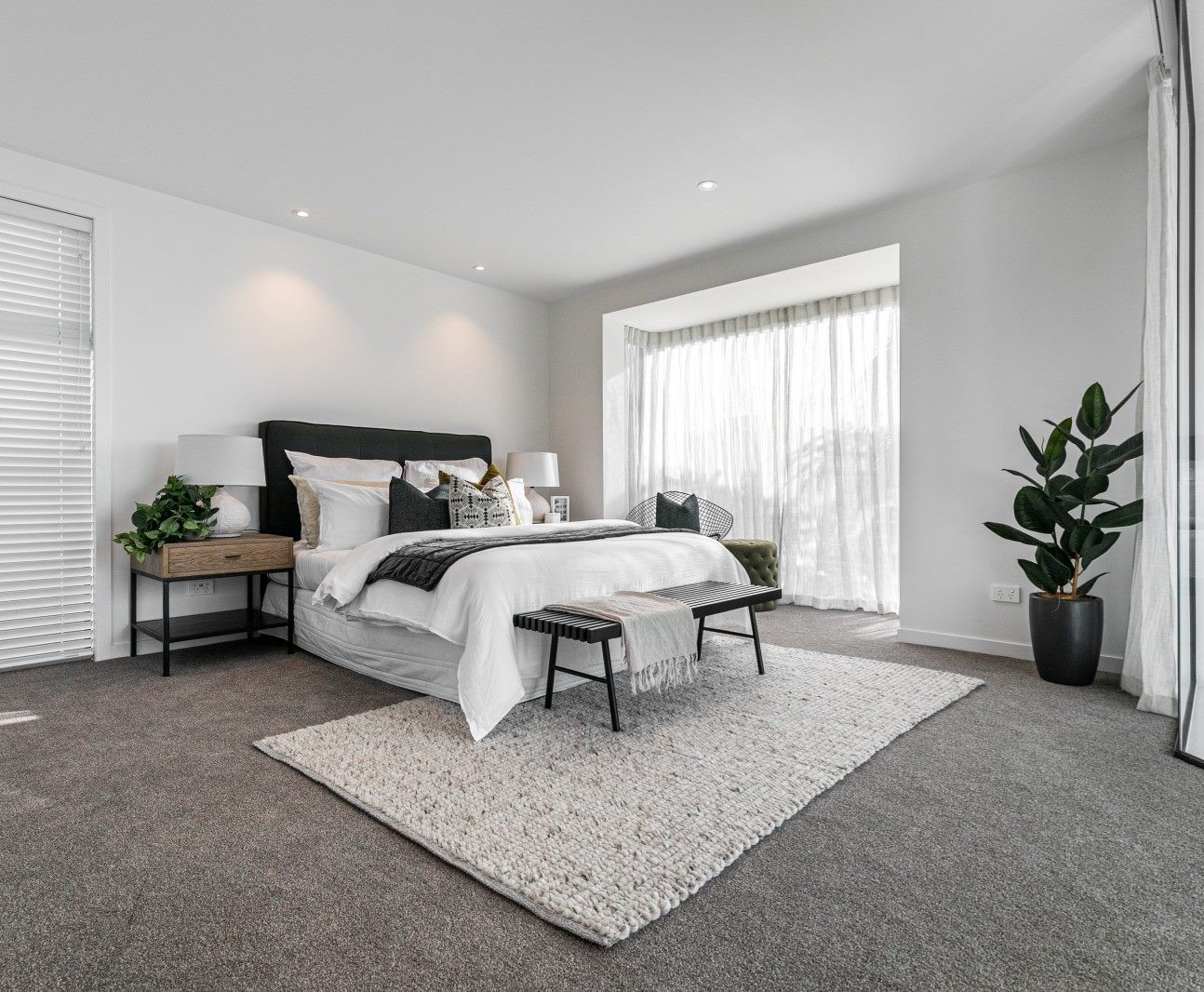
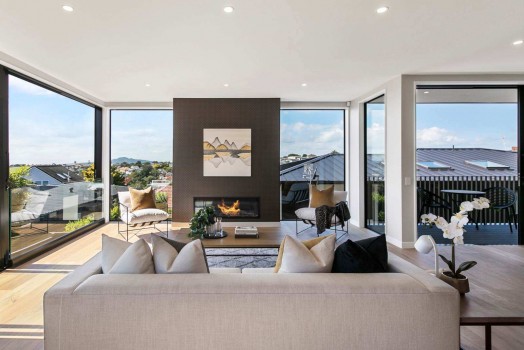
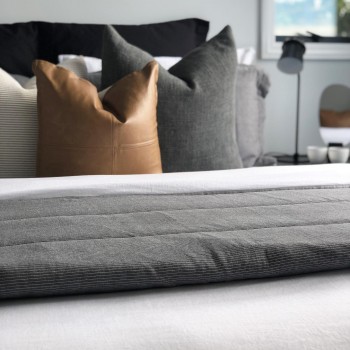
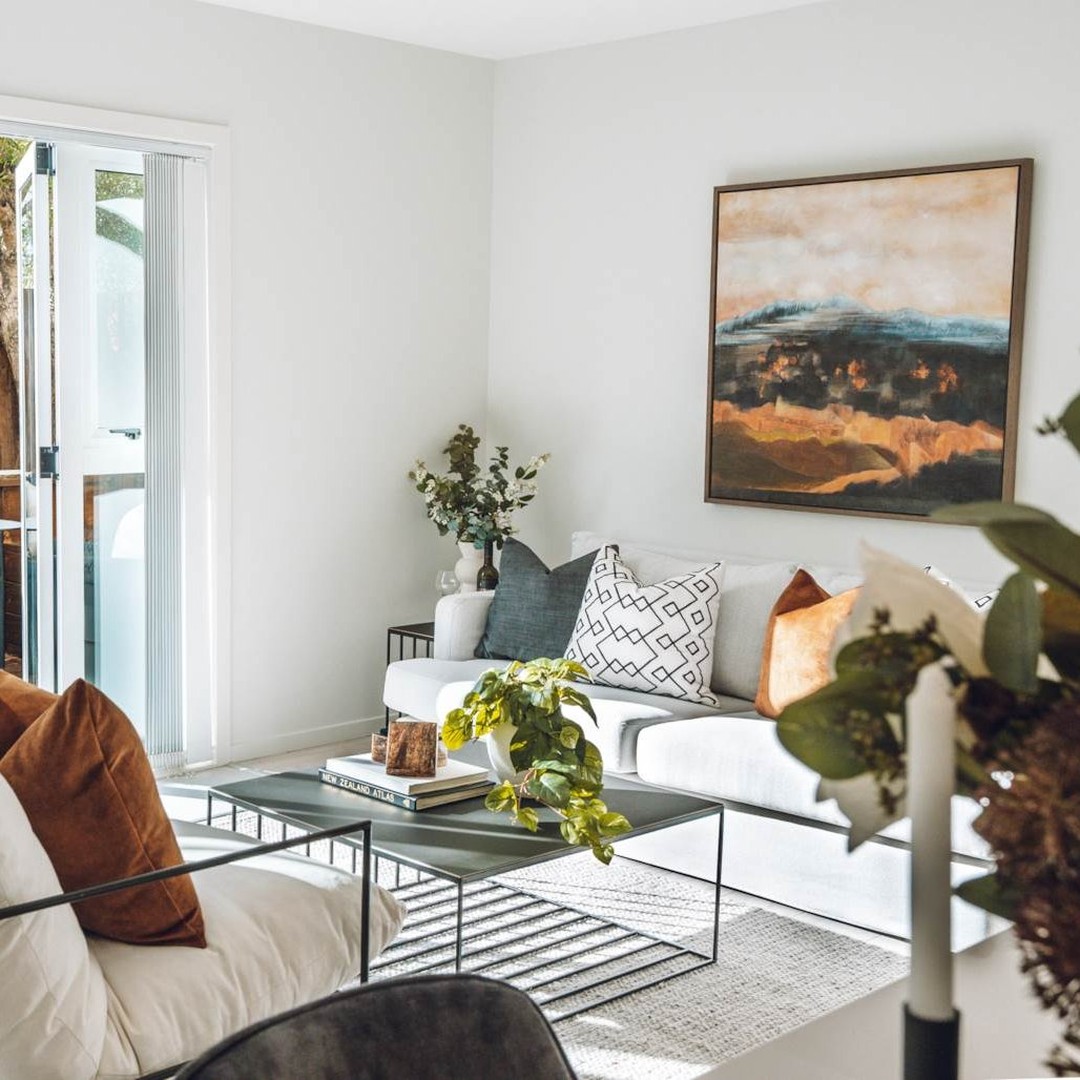
Home staging is the process of professionally styling a vacant property so buyers can see its full potential. A staging company brings in curated furniture, artwork, soft furnishings, and accessories to transform empty rooms into aspirational living spaces.
The goal is not to decorate. It is to create an emotional connection. When buyers walk through a staged home, they stop thinking about square metres and start imagining their life in the space. That shift in mindset is what drives stronger offers.
Think of it this way: you would not sell a car without cleaning it first. Home staging is the property equivalent — except the return on investment is significantly higher.
How staging differs from interior design
Interior design is about creating a space tailored to how you live. Home staging is about creating a space tailored to how buyers feel. Every piece of furniture, every colour choice, and every styling detail is selected to appeal to the broadest range of qualified buyers for your specific property and neighbourhood.
Why Home Staging Matters in Auckland's Market
Auckland buyers start their property search online. Before anyone books an open home, they scroll through listing photos — often on their phone, often quickly. You have seconds to make a first impression.
A staged home photographs dramatically better than an empty one. Empty rooms look smaller in photos, and buyers struggle to gauge proportions or imagine where their furniture would go. Staged rooms tell a story. They give buyers a reason to stop scrolling and book a viewing.
The numbers back this up. In the New Zealand market, staged homes sell for 5-10% more than unstaged equivalents. They also sell up to three times faster. In Auckland specifically, staging during 2023-2024 often led to offers 5-7% above RV.
Over 80% of real estate agents agree that staging helps buyers visualise the property. And buyers spend up to 40% longer at open homes in staged properties — more time in the home means more emotional attachment, which means better offers.
One seller put it bluntly after their property had sat on the market unstaged for two months with no interest:
"The house sold on the second open day — it had previously been on the market unstaged for 2 months with no nibbles."
If you are selling in Auckland, staging is not a luxury. It is a strategy.
What the Home Staging Process Looks Like Step by Step
If you have never worked with a staging company before, the process is more straightforward than you might expect. Here is what a typical staging looks like with an experienced Auckland company:
1. Initial consultation
The staging company visits your property (or reviews photos and floor plans) to assess the space. They consider the home's layout, natural light, target buyer demographic, and the neighbourhood. This is where the bespoke plan starts to take shape.
2. Offsite preparation
Behind the scenes, the team selects and prepares all furniture, artwork, and accessories for your specific property. Nothing is pulled from a template — every item is chosen to elevate the home's best features and suit its style.
3. Onsite staging day
Our team arrives and transforms your property. For an average three-bedroom Auckland home, this takes around four to five hours. By the end of the day, your empty house looks like a stunning lifestyle shoot.
4. The hire period
Most staging companies in Auckland offer a five-week hire period. This covers your marketing photography, open homes, and private viewings. During this time, the staging company handles insurance on all items.
5. Packup and removal
Once the property is sold (or the hire period ends), the team returns to remove everything. You do not need to lift a finger.
The entire process — from first contact to fully staged property can happen in as little as a few days, though giving yourself more lead time, two weeks or more is better and can give us a better opportunity to give you perfect results.
How Much Does Home Staging Cost in Auckland?
This is the question every first-time seller asks, and the answer is more affordable than most people expect.
In Auckland, the average cost to stage a three-bedroom home is approximately $3,500 + GST for a five period. Pricing varies based on:
As a guide, all-inclusive staging packages start from around $3,195 + GST for a two-bedroom property with a five-week hire period. All-inclusive means exactly that: preparation, styling, transportation, maintenance, insurance, pack up, and removal are all covered. No hidden costs.
Is it worth the investment?
Consider this: nearly half of buyers' agents believe staging could increase offers by up to 10%. On a $1 million Auckland property, that is up to $100,000 in additional value — for an investment of roughly $3,000 to $5,000.
The cost of staging is usually less than the first price reduction sellers consider when a property is not generating interest. Staging is not an expense. It is the smartest investment you can make before going to market.
"This has by far been the best money I have spent on the house and it makes the house look like a million dollar property."
When to Start Planning Your Home Staging
Timing matters. The best results come from giving your staging company enough lead time to plan and prepare properly.
Ideal timeline: Contact a staging company at least two weeks before you plan to go to market. This allows time for the consultation, furniture selection, and preparation — so your property is perfectly styled before the first listing photo is taken.
Can it be done faster? In emergencies, experienced staging companies can stage a property the next day. But this is not recommended. Rushed staging means less time for the bespoke selection process that makes a real difference to how your home presents.
When to start thinking about it: As soon as you decide to sell. Even if your timeline is months away, an early conversation with a staging company can help you prioritise which repairs and improvements will give you the best return.
What You Need to Do Before Staging Day
Professional stagers work with vacant properties. That means you need to move out before staging begins. But there are several things you can do to ensure your home is ready:
Declutter completely
Remove all personal items, excess furniture, and anything you are taking with you. The property needs to be empty for the staging team to work. This includes wardrobes, cupboards, and garage spaces that buyers may open during viewings.
Deep clean
A professional deep clean makes a significant difference. Clean windows, fresh carpets, and spotless kitchens and bathrooms create the premium foundation that staging builds upon.
Handle repairs and maintenance
Fix anything that is broken, damaged, or worn. Chipped paint, leaky taps, cracked tiles, and sticky doors all send the wrong signal to buyers. Small repairs are inexpensive but they remove reasons for buyers to negotiate your price down.
Consider a fresh coat of paint
Neutral, contemporary paint colours are one of the highest-return improvements you can make. If your walls are dated, bold, or heavily marked, repainting in warm neutrals will help the staging look its best and appeal to more buyers.
Gardens and exterior
First impressions start at the street. Mow the lawns, trim hedges, clean pathways, and make sure the entrance looks welcoming. Buyers form opinions before they walk through the front door.
Staged vs Unstaged: What the Data Says
Still weighing up whether staging is worth it? Here is what the research consistently shows across the New Zealand market:
| Metric | Staged | Unstaged |
| Sale price vs RV | 5-7% above (Auckland 2023-2024) | At or below RV |
| Time on market | Up to 3x faster | Longer average days on market |
| Buyer time at open home | Up to 40% longer | Shorter visits |
| Agent recommendation | 80%+ recommend staging | — |
| Buyer offer uplift | Up to 10% higher offers | Baseline |
The pattern is clear. Staging does not just make your home look better — it directly impacts your sale price and how quickly you sell.
Common Misconceptions About Home Staging
"It is too expensive"
As covered above, staging typically costs $3,500-$5,000 for a standard Auckland home — and the return is often tens of thousands of dollars in a higher sale price. Compare that to the cost of a price reduction after weeks on the market with no offers.
"I can do it myself"
While you can certainly declutter and deep-clean your home yourself, professional staging is a distinct, specialised skill set. Stagers balance buyer psychology, spatial design, and color theory with current market trends to create an emotional connection.
The true DIY-limiting factor, however, is selection. Unlike a homeowner working with what they have, we draw from a massive inventory of over 30,000 furniture pieces and accessories. This allows us to select the exact scale for every room, curate specific textures that pop in listing photos, and direct a buyer’s eye with precision. This level of customisation, powered by a warehouse of options is why the difference between DIY and professional staging is immediately obvious to buyers.
"I have to admit I was initially skeptical about home staging, but the results are just superb and worth every penny."
"Virtual staging is just as good"
Virtual staging (digitally adding furniture to photos of empty rooms) can look acceptable in listing images. But it falls apart completely at the open home, when buyers walk into an empty space that looks nothing like the photos. That disconnect damages trust and can actually work against you. Real staging creates a consistent, elevated experience from the first photo to the final walkthrough.
"My home is too small / too old / too unusual to stage"
Professional staging companies work with every type of property. In fact, homes that are harder to visualise — smaller spaces, unusual layouts, older character homes — often benefit the most from staging. A skilled stager knows how to maximise every room and highlight features buyers might otherwise overlook.
"The market is strong enough — I do not need to bother"
Even in a strong market, staged homes consistently outperform unstaged ones. The question is not whether your home will sell. It is whether it will sell for the maximum possible price. Why leave money on the table?
How to Choose the Right Staging Company in Auckland
Not all staging companies deliver the same results. When comparing your options, look for:
For a more detailed breakdown of what to look for (and what to watch out for), take a look at our other articles.
Ready to Stage Your Auckland Home?
If you are preparing to sell your home in Auckland, staging is the single most effective way to maximise your sale price and stand out in a competitive market. The data is clear, the process is straightforward, and the return on investment speaks for itself.
The Look Home Staging & Interior Design has been transforming Auckland properties since 2003 — over 22 years of experience helping sellers achieve stunning results. With all-inclusive packages starting from $3,195 + GST, bespoke styling for every property, and coverage from central Auckland to Mangawhai and the Coromandel, The Look makes the entire process seamless.
Get in touch for a free consultation:
The best time to start planning your staging is now. Request a free quote today and find out how The Look can help you sell faster and for more.
Frequently Asked Questions About Home Staging in Auckland
How much does home staging cost in Auckland, NZ?
Home staging in Auckland typically costs around $3,500 for a standard three-bedroom property with a five week hire period. Two-bedroom properties start from approximately $3,195 + GST with all-inclusive pricing that covers furniture, styling, transport, insurance, maintenance, and removal. Larger or premium properties will cost more depending on the number of rooms and level of styling required.
How long does the staging process take from start to finish?
The ideal lead time is at least two weeks before your listing goes live. This allows for a proper consultation, bespoke furniture selection, and preparation. The onsite staging itself takes around four to five hours for an average three-bedroom home. Most hire periods run for five weeks, giving you plenty of time for marketing, open homes, and negotiations.
Can my home be staged while I am still living in it?
Professional staging companies work with vacant properties only. You will need to have moved out and removed your belongings before staging day. This is because stagers need a blank canvas to create the most effective presentation — and mixing personal items with staging furniture does not produce the same result.
Is home staging worth it in a slower market?
Staging is arguably even more valuable in a slower market. When there are more properties competing for fewer buyers, presentation becomes critical. Staged homes consistently sell faster and for higher prices than unstaged equivalents, regardless of market conditions. The cost of staging is almost always less than the first price reduction you would need to make if your unstaged property fails to attract interest.
What is the difference between home staging and virtual staging?
Home staging involves physically furnishing a property with real furniture, art, and accessories. Virtual staging digitally adds furniture to photos of empty rooms. While virtual staging is cheaper, it creates a disconnect between the listing photos and the actual open home experience. Buyers walk into an empty property and feel misled. Real staging delivers a consistent, elevated experience that builds the emotional connection needed to drive strong offers.
Do I need to stage every room in the house?
Not necessarily. Many sellers choose to stage the key living areas — living room, dining area, kitchen styling, and master bedroom — as these have the most impact on buyer perception. However, staging additional rooms like secondary bedrooms, home offices, or outdoor living spaces can add further value. Your staging company can advise which rooms will give you the best return for your specific property.