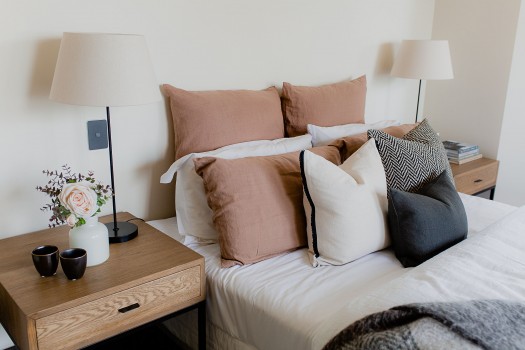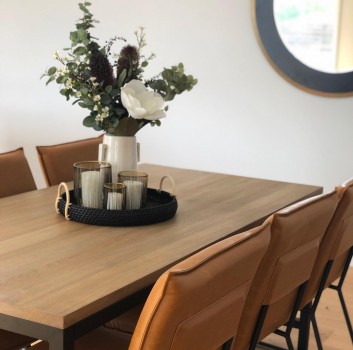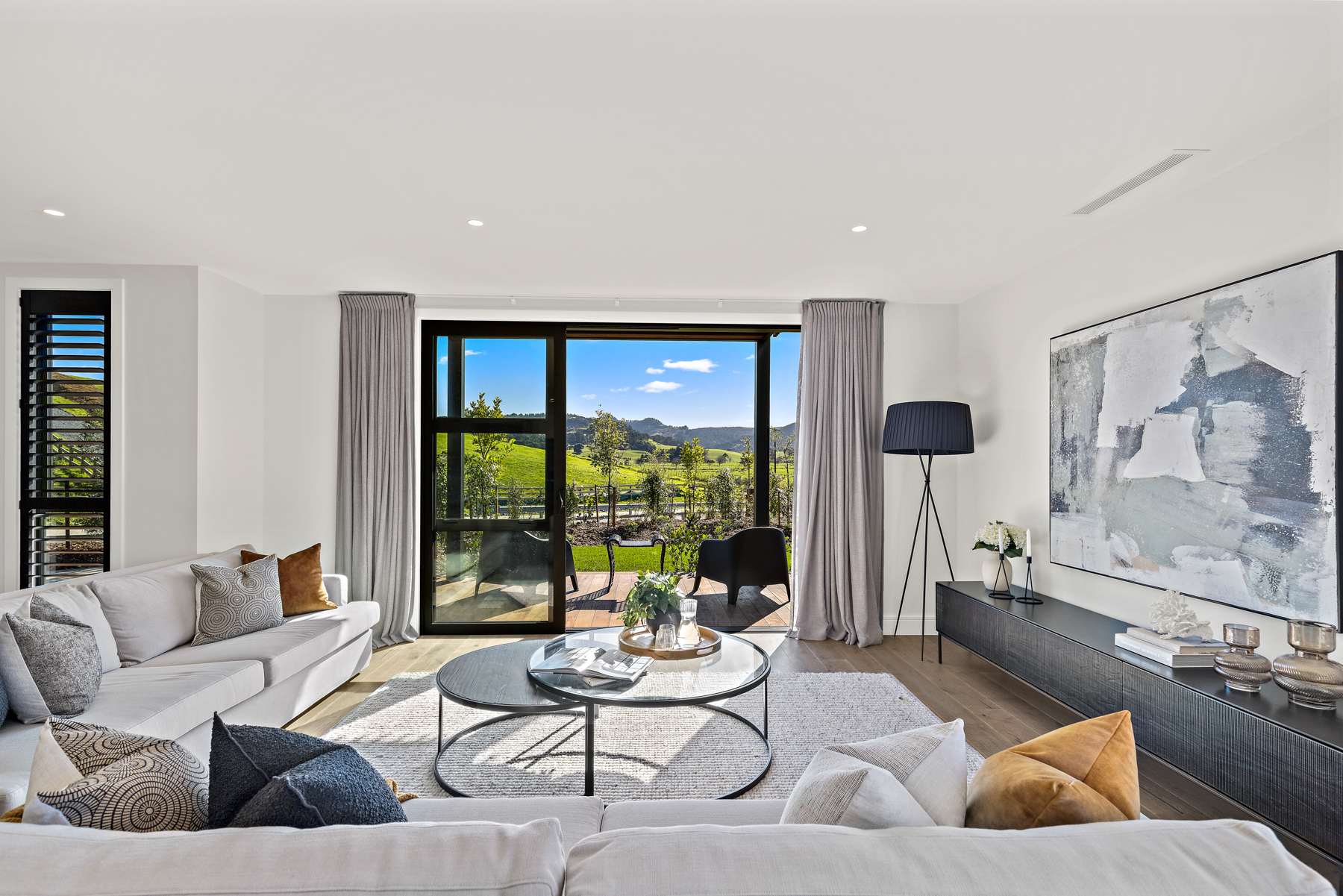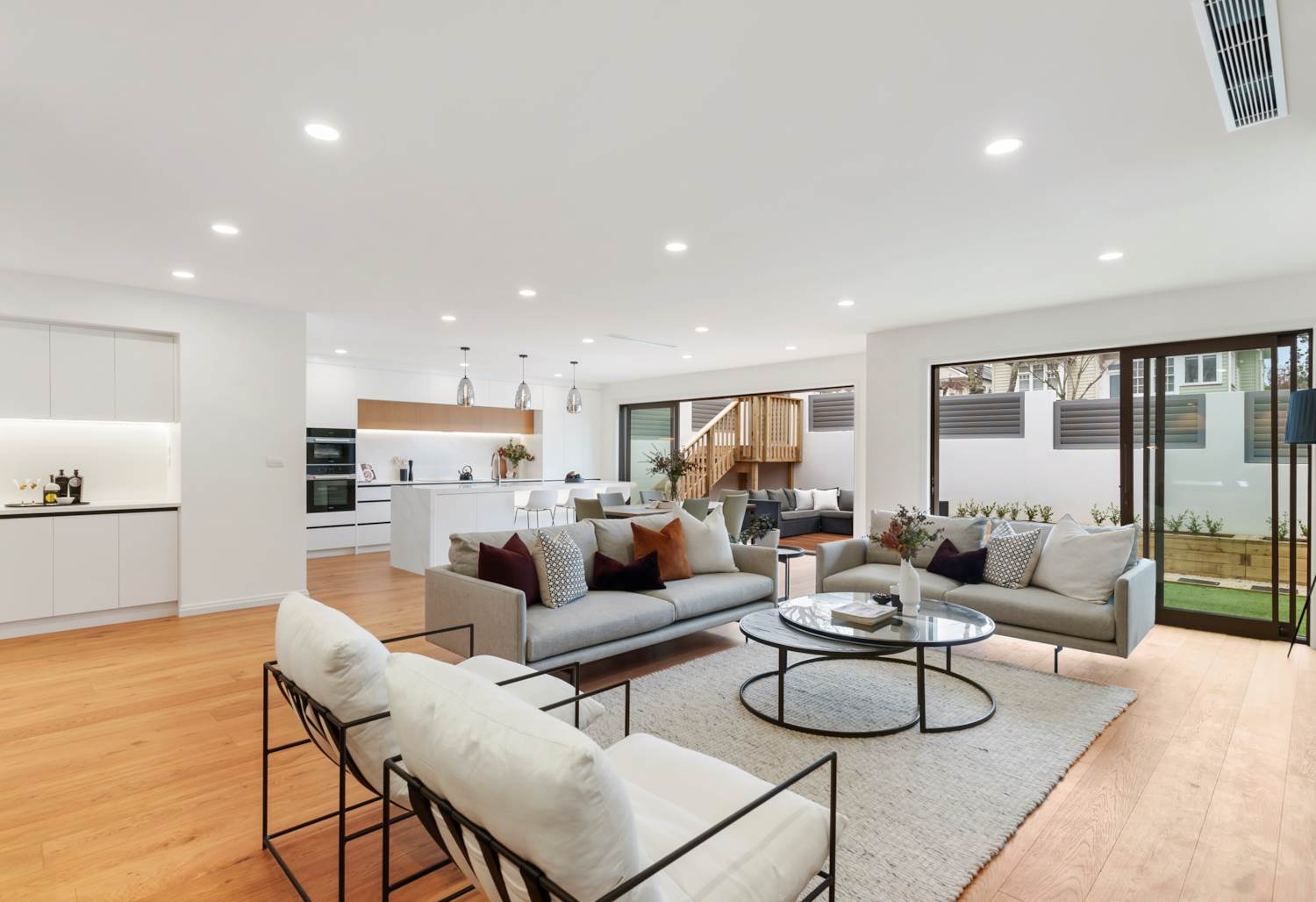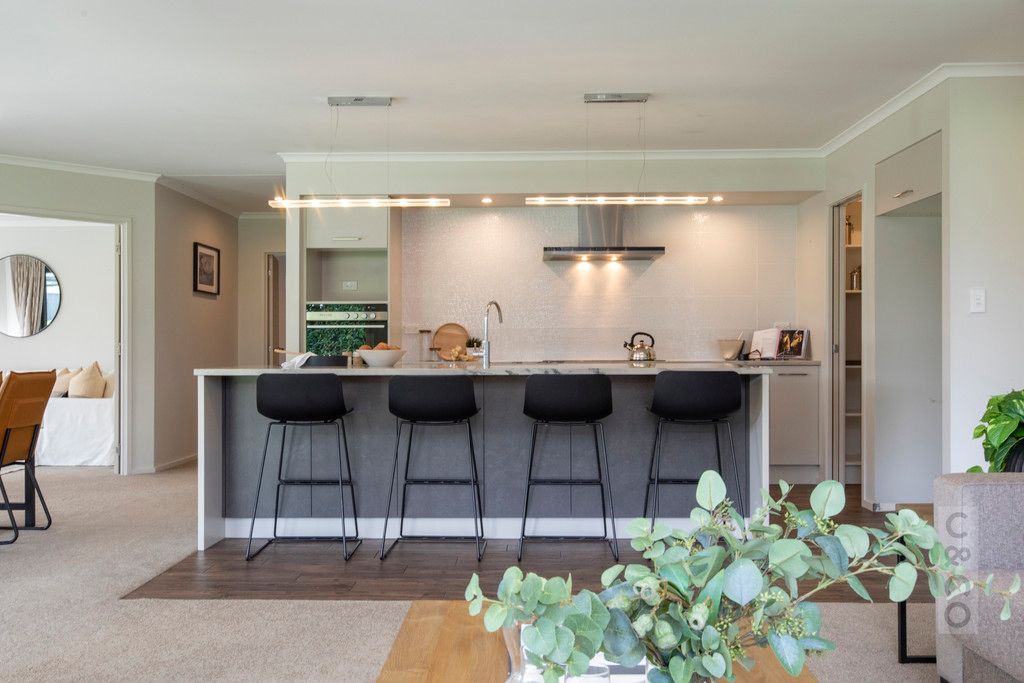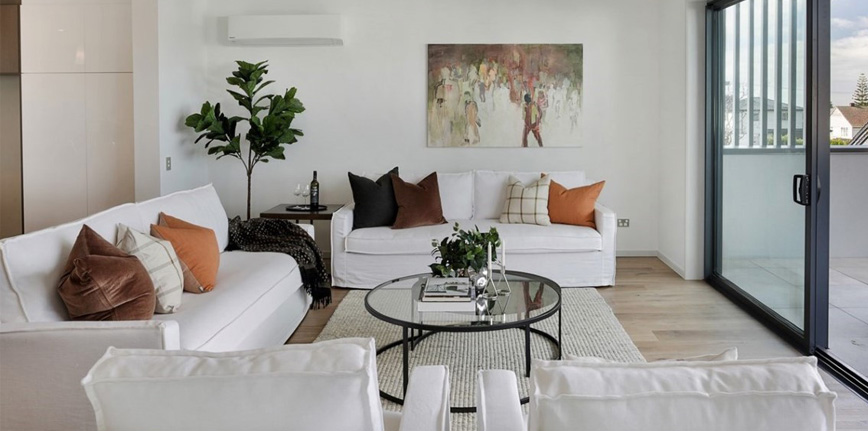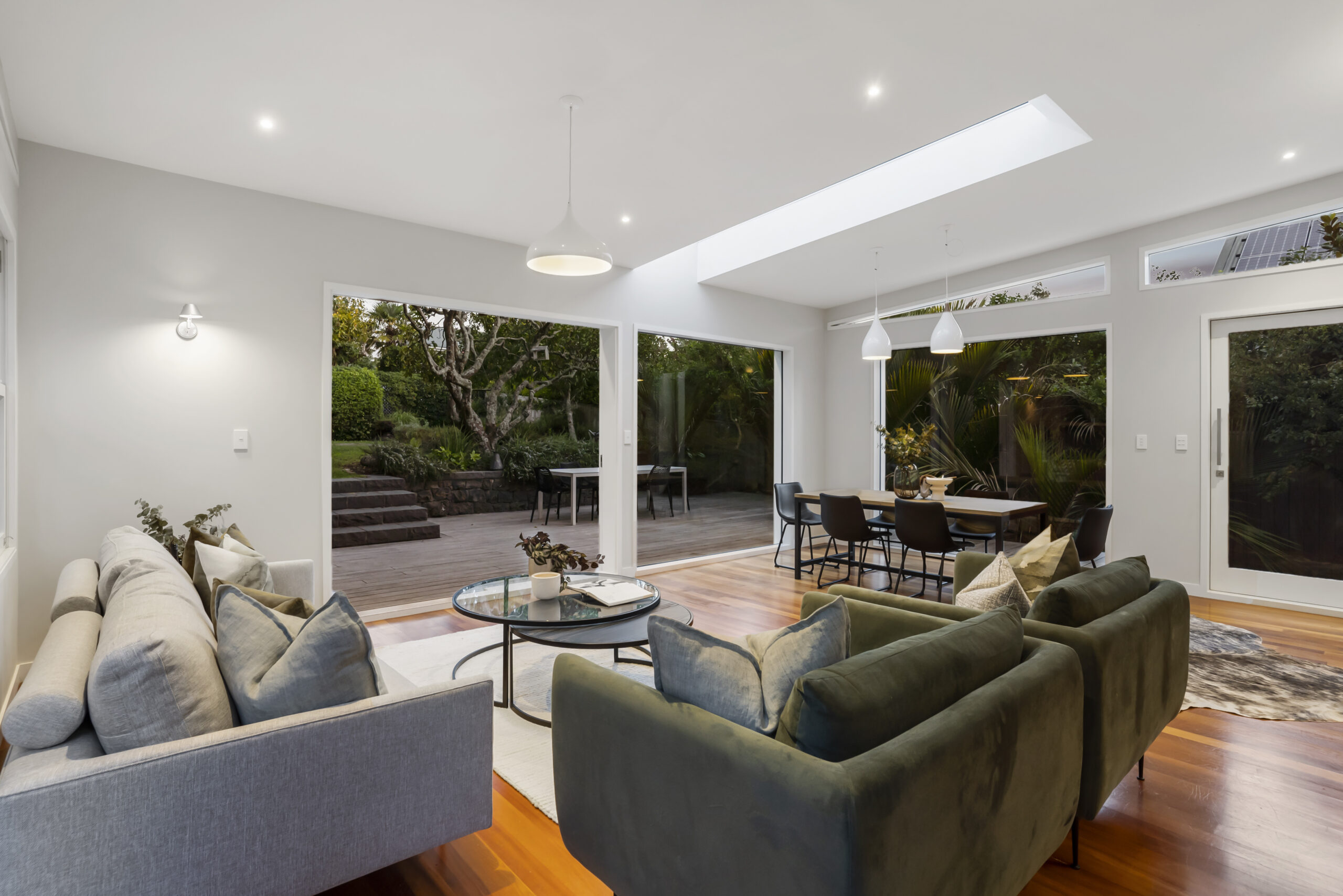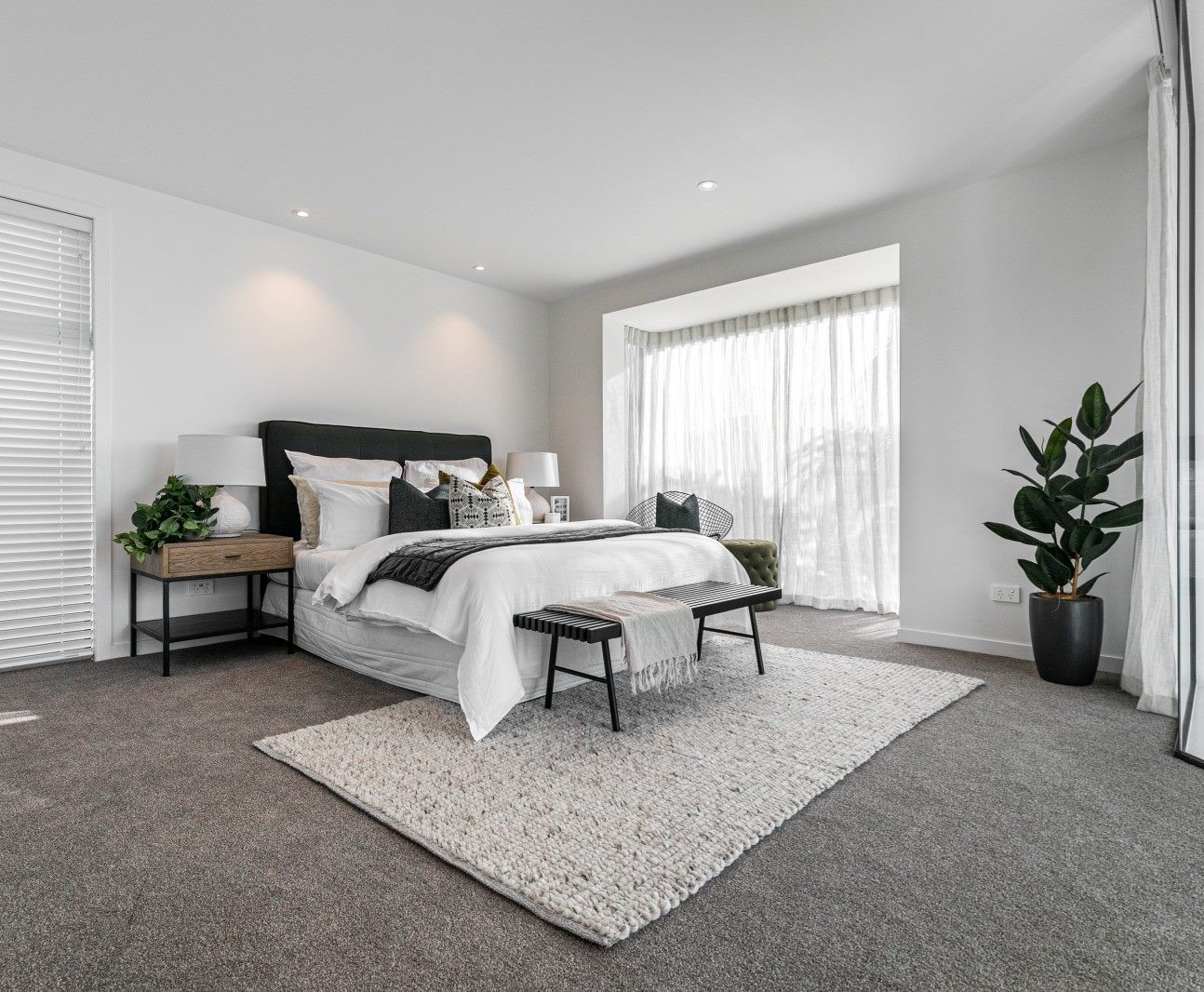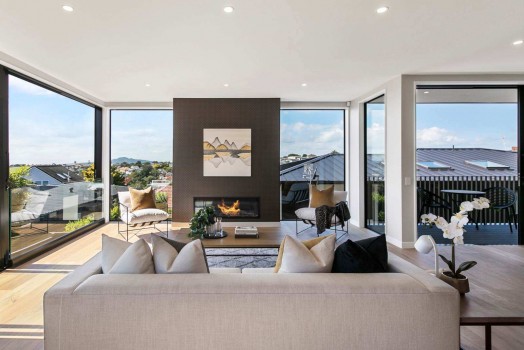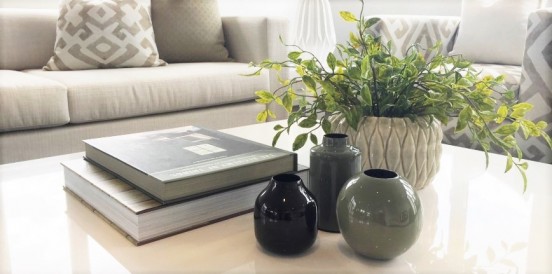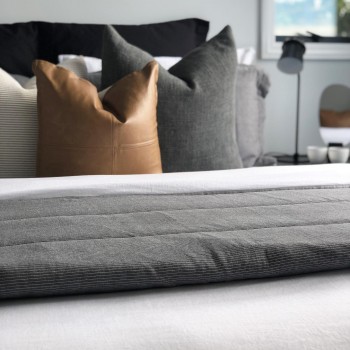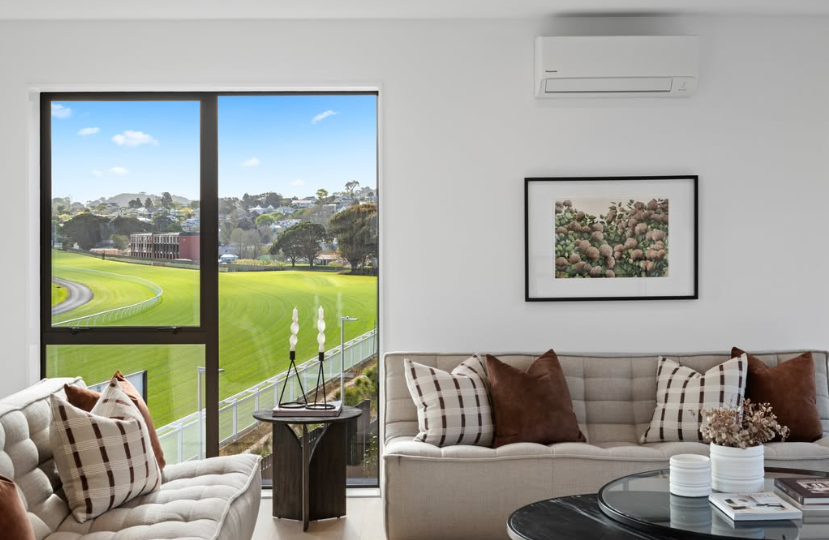
Creating a cohesive interior design in your home can transform ordinary rooms into unified, appealing spaces that feel balanced and inviting. Whether you're a DIY decorator or simply looking for guidance, understanding how to achieve cohesion is key to crafting a home that flows naturally from one area to another.
In this guide, we will explore practical tips on how to achieve cohesive interior design in your home, focusing on color coordination, furniture styles, theme consistency, flow, and balance. With the right approach, you can create a harmonious environment that reflects your personality while maintaining style and function. For more ideas and inspiration, visit The Look Staging & Design.
Cohesive interior design refers to a thoughtful arrangement of elements that work together to create a unified look and feel throughout your home. It involves balancing colors, furniture, textures, and themes so that each room connects seamlessly with the next, ensuring a smooth flow and consistent aesthetic.
Achieving cohesion is not about making every room identical but rather ensuring that all design choices complement one another and contribute to a harmonious whole.
A well-coordinated home offers several benefits:
Key elements include color coordination, furniture style harmony, consistent themes, smooth flow, and balanced visual weight for cohesive design.
1. Color Coordination
Color is one of the most powerful tools in interior design. A well-planned color palette can tie different areas together and set the mood for your home.
2. Furniture Styles
Mixing furniture styles can create a dynamic interior but requires careful balance.
3. Theme Consistency
Choosing a clear theme helps maintain theme consistency throughout your home.
4. Flow and Layout
Good flow is essential for practical living and visual continuity.
5. Balance
Balance in interior design means distributing visual weight so no area feels too heavy or too empty.
Summary of Cohesive Interior Design Tips
| Element | Key Focus | Tips for Cohesion |
| Color Coordination | Base palette, accents, repetition | Use neutral bases, repeat colors in textiles and decor |
| Furniture Styles | Theme, scale, materials | Stick to a style, balance size, unify materials |
| Theme Consistency | Style selection and subtlety | Choose a clear style, blend themes with common threads |
| Flow & Layout | Movement and visual connection | Keep pathways open, use rugs and lighting to guide the eye |
| Balance | Symmetry, textures, light | Mix symmetrical and asymmetrical elements, vary textures |
For those who prefer to design their own interiors, cohesion may seem challenging at first. Here are some simple steps to get started:
Remember, interior design is a creative process that evolves. Cohesion doesn’t mean rigidity but rather thoughtful harmony.
Achieving a cohesive interior design is about balance, consistency, and thoughtful coordination. By paying attention to color coordination, furniture styles, theme consistency, flow, and balance, homeowners and DIY decorators can create spaces that are not only beautiful but also inviting and functional.
If you want more professional advice on creating unified interiors or staging your home, visit The Look for expert guidance.
How to achieve cohesive interior design in your home?
Focus on a consistent color palette, complementary furniture styles, maintaining theme consistency, ensuring good flow, and balancing visual weight.
What role does color coordination play in cohesive design?
Color coordination ties different rooms together, creates mood, and helps unify diverse elements throughout the home.
Can mixing furniture styles still result in a cohesive space?
Yes, if styles are balanced by scale, materials, and shared themes, mixing furniture can add character while remaining cohesive.
How important is flow in interior design?
Flow ensures practical movement and visual continuity, helping spaces feel connected rather than fragmented.
Are there easy tips for DIY decorators to create cohesive spaces?
Start with a limited palette, use mood boards, repeat key colors or textures, and gradually introduce new elements.