Buyers form an impression within seconds of arriving at a property. Before they've checked the wardrobe space, tested the water pressure, or read a single line of the listing description, they've already decided how they feel about the place.
That's the reality of selling a home. And it's why staging your home for sale is one of the most effective things you can do before you list.
Well-presented properties consistently sell faster and for stronger prices than unstaged ones. Good staging helps buyers picture themselves living in the space, makes rooms feel larger and brighter, and photographs far better online, which is where almost every property search now begins.
You don't need to hire a professional to see results. With focused effort and the right approach, a DIY staging job can make a significant difference to how buyers respond to your home.
Here are 10 home staging tips to help you get there.
Before a buyer sets foot inside, they see your exterior. First impressions are set on the footpath, not in the hallway, and if the outside of your home looks tired or neglected, buyers arrive with doubts already forming.
Walk to the end of your driveway and look at your property with fresh eyes. Mow the lawn, edge the garden beds, and weed any paths and paving. Clean or repaint the front fence and letterbox. Wash the exterior walls, windows, and any outdoor furniture. Add a pot plant or a fresh door mat at the entrance.
Small improvements here deliver an outsized return. A home that looks cared for from the outside signals to buyers that the inside has been looked after too.
Clutter is one of the biggest obstacles to a well-staged home. It makes rooms feel smaller, draws attention to the wrong things, and gives buyers the impression there's limited storage, even when there's plenty.
Go through every room and remove anything that doesn't need to be there: furniture that crowds the space, items piled on benchtops and shelves, things stored on the floor, collections that have crept into every corner. Be honest about what's adding to the room and what's taking away from it.
If you're unsure what to do with everything, hire a storage unit for the duration of the campaign. It's a modest cost for a meaningful result. The goal is space. Buyers need to be able to imagine their own belongings in your home, and too much of yours makes that difficult.
A clean home signals a well-maintained home. Buyers notice the details, sometimes consciously and sometimes not, and any sign of neglect plants seeds of doubt about the property overall.
Go well beyond your usual clean. Steam the carpets. Scrub grout. Clean inside the oven and fridge if they're staying. Wash every window inside and out. Remove limescale from taps and showerheads. Wipe skirting boards and light switches.
Pay particular attention to the kitchen and bathrooms. These are the rooms buyers scrutinise most carefully, and they need to feel genuinely fresh and clean, not just tidy.
If a full deep clean feels overwhelming, bring in a professional cleaning company for a one-off session before your first open home. It's worth every dollar.
Your family photos, children's artwork, and personal collections are meaningful to you. To a buyer, they're visual noise that makes it harder to see themselves in the home.
Depersonalising doesn't mean stripping the place bare. It means creating a neutral backdrop that allows buyers to project their own lives onto the space.
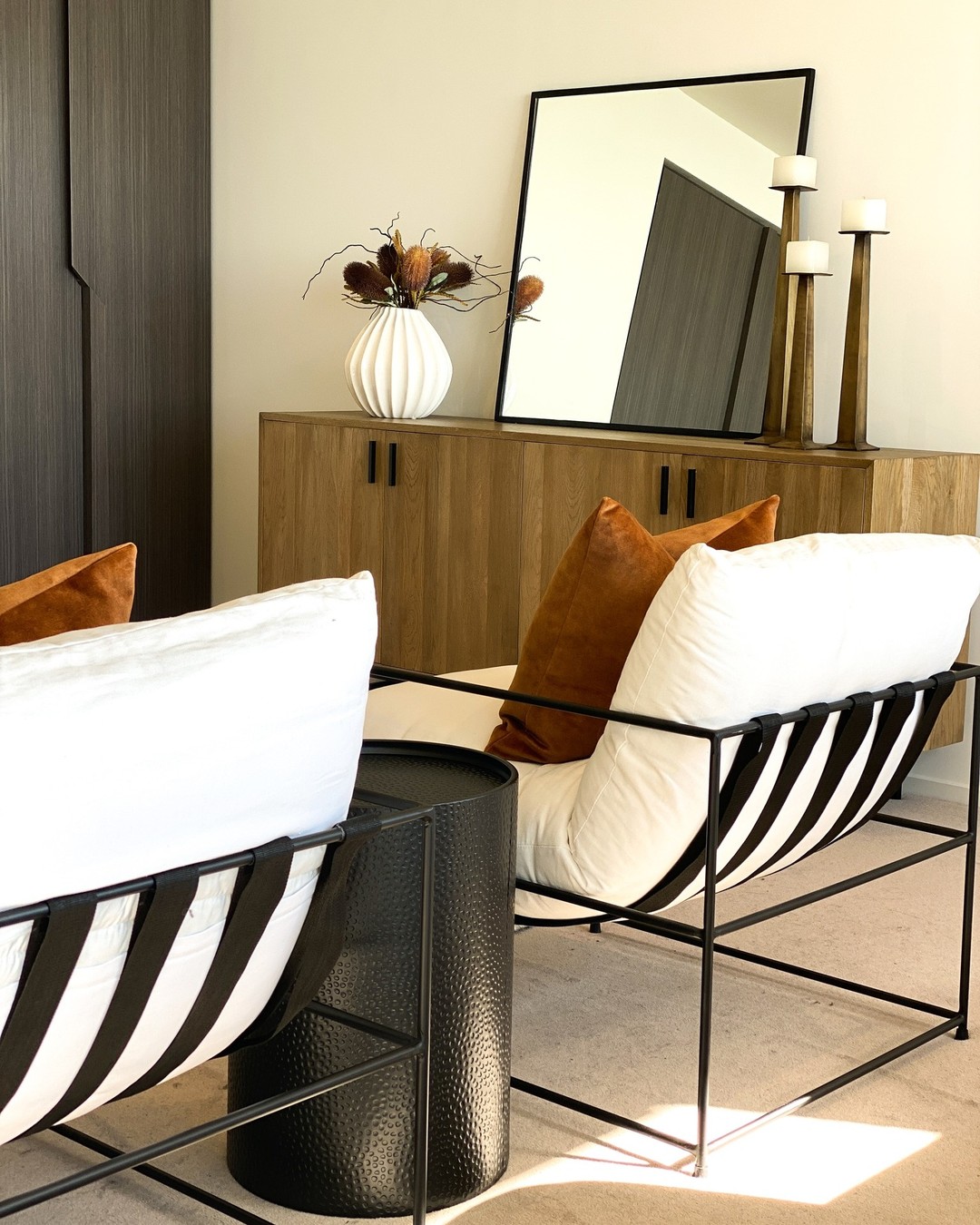
Remove family photographs, bold personal artwork, and anything highly specific to your tastes or circumstances. What you leave should be tasteful and broadly appealing: a piece of abstract art, a simple plant, a well-chosen throw on the sofa. Think of it as presenting the home rather than your home.
Light sells homes. Bright rooms feel larger, warmer, and more welcoming, and buyers respond to this emotionally, even when they can't fully articulate why.
Open every curtain and blind before viewings. Clean windows make a real difference: dirty glass cuts the light and draws the eye to the wrong thing. Replace any blown bulbs and consider upgrading to warmer, brighter LED globes throughout. If a room is genuinely dark, add a floor lamp or table lamp to warm it up.
On the day of any open home, turn on all the lights. Every room should feel alive and bright, even on an overcast Auckland day.
You may love a bold feature wall or the deep sage you painted the bedroom, but strong colour choices can polarise buyers. Someone who doesn't share your taste may struggle to see past it, regardless of how well the rest of the home presents.
If any rooms have particularly specific or divisive colour schemes, consider repainting before you list. Warm whites, soft greys, and light neutral tones photograph well, make rooms feel larger, and give buyers a clean canvas to work with.
Repainting delivers one of the highest returns of any staging investment, particularly in older homes where paintwork has started to look dated or tired.
Every room in your home should have an obvious function. A bedroom that's become a dumping ground, a dining room doubling as a home office, or a rumpus room packed with gym equipment all create confusion for buyers and reduce the perceived value of the space.
Walk through your home and ask: what is this room meant to be? If the answer isn't immediately clear, make it so.
You don't need expensive furniture to define a space. A simple desk and chair signals a study. A small dining table and two chairs creates a dining room. The investment is modest, but the effect on how buyers read the space is significant.
Not all rooms carry equal weight in a buyer's decision. The living room, kitchen, and master bedroom have the most influence, so direct your styling energy there first.
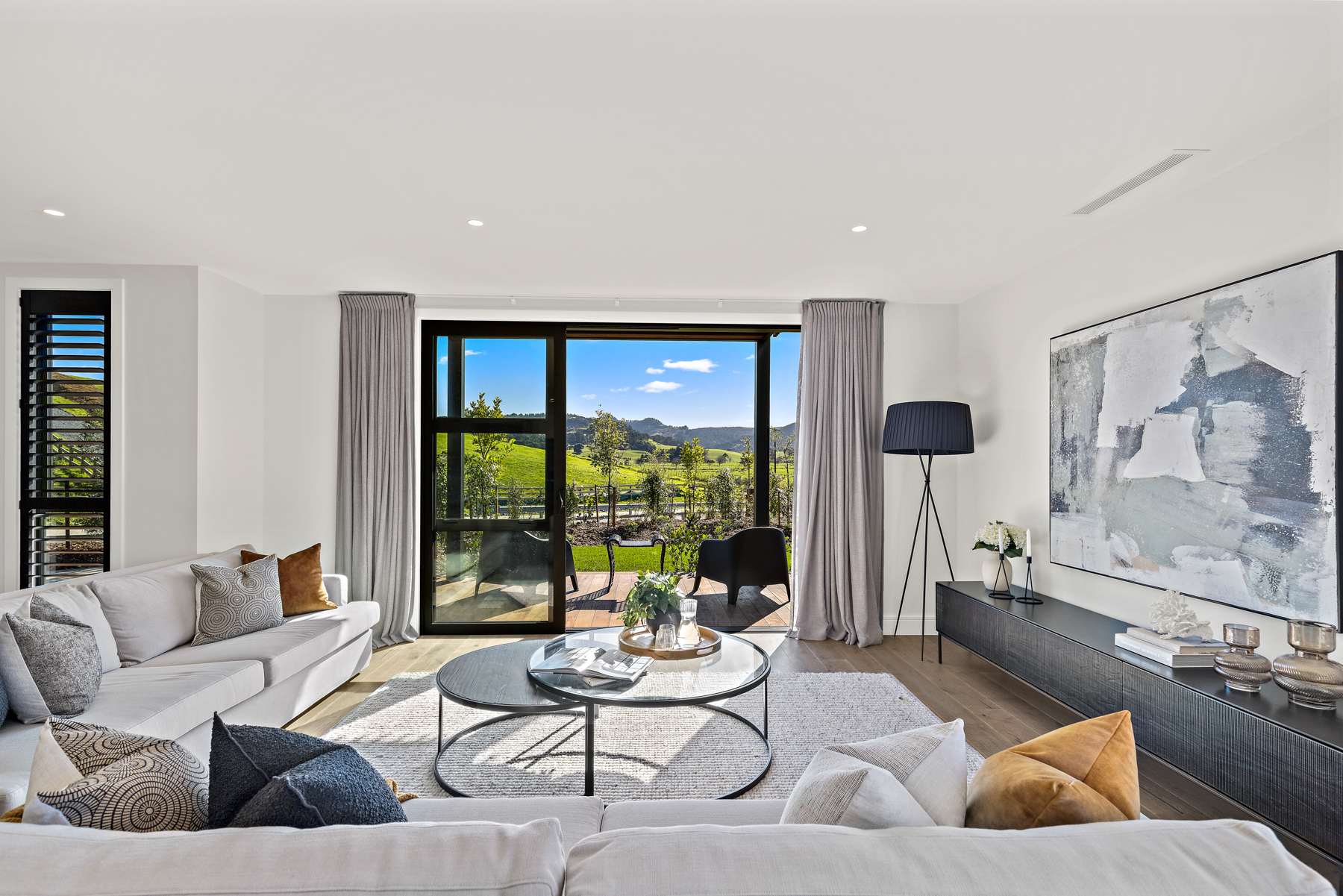
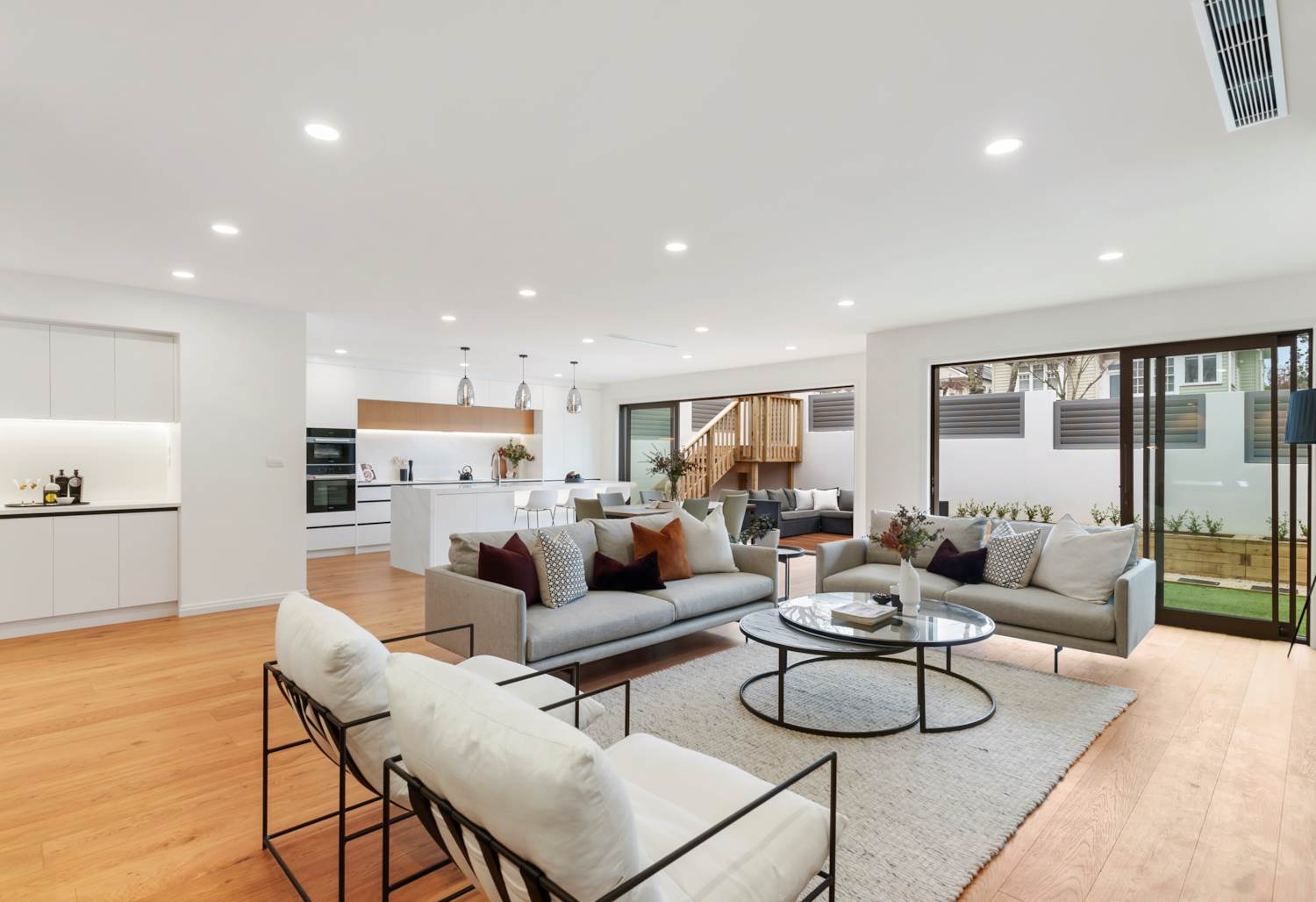
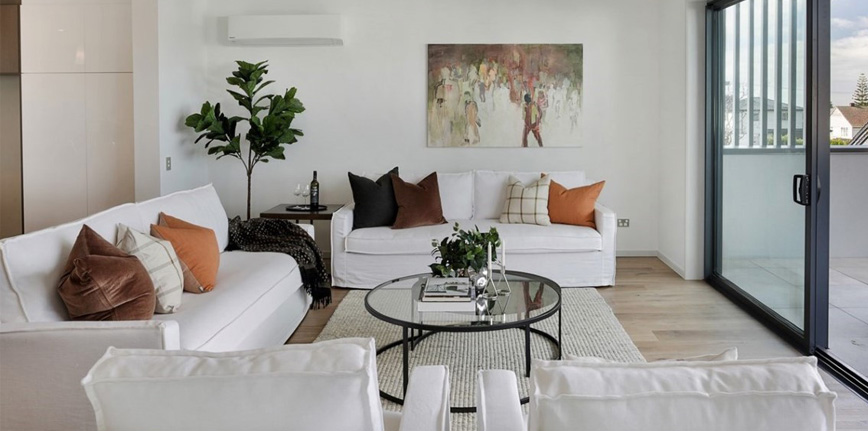
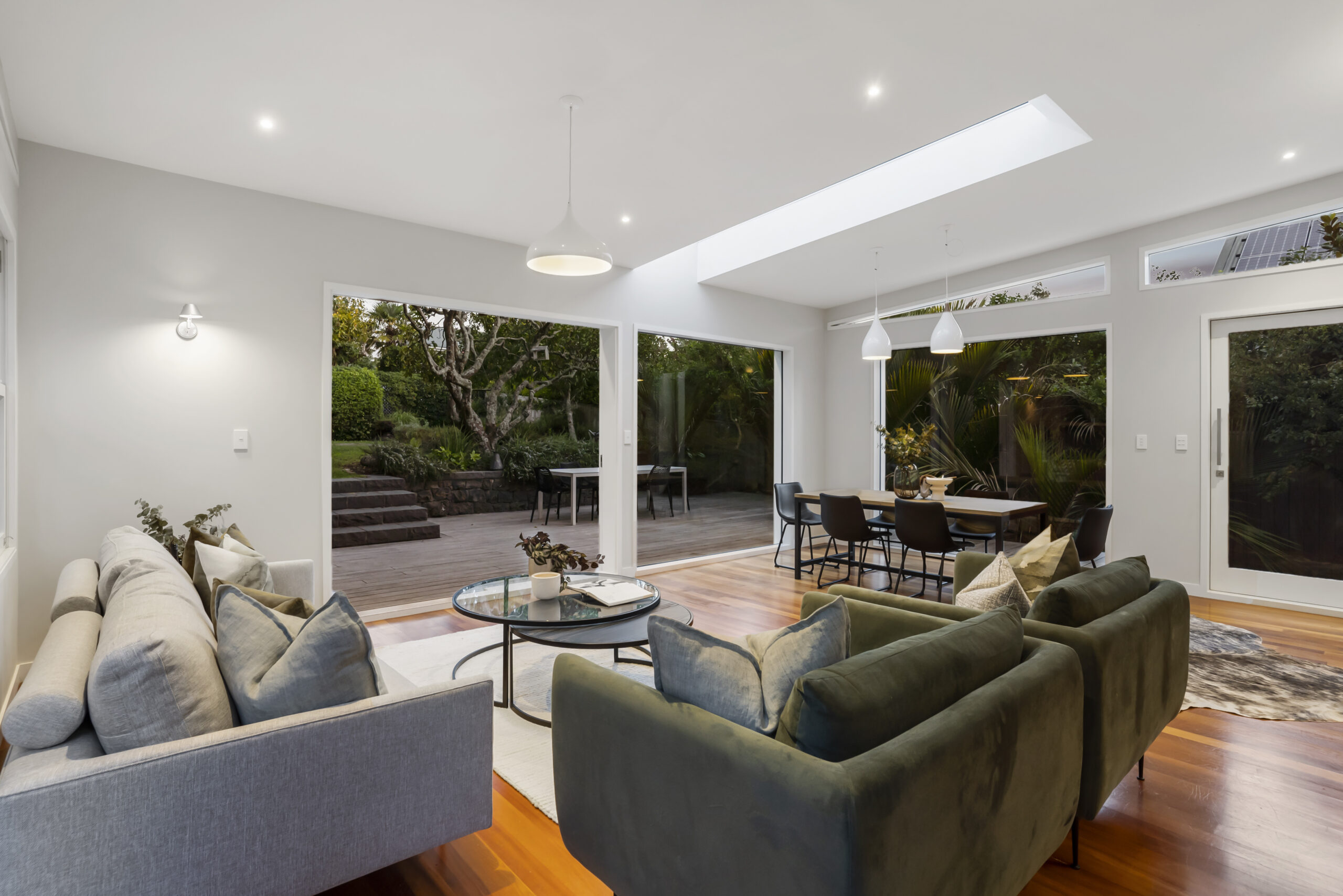
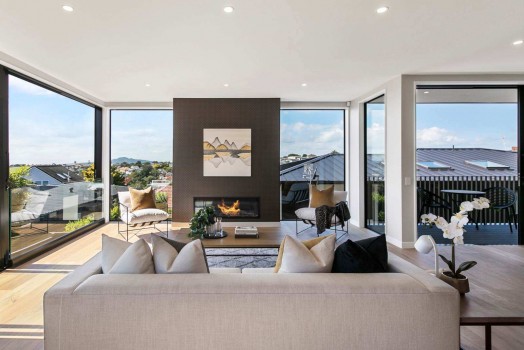
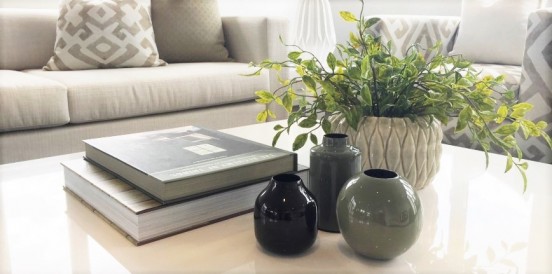
Living room: Remove any excess furniture and arrange what remains to create a clear, comfortable conversation space. Add cushions and a throw in coordinating tones. A simple coffee table book or a plant brings life without adding clutter.
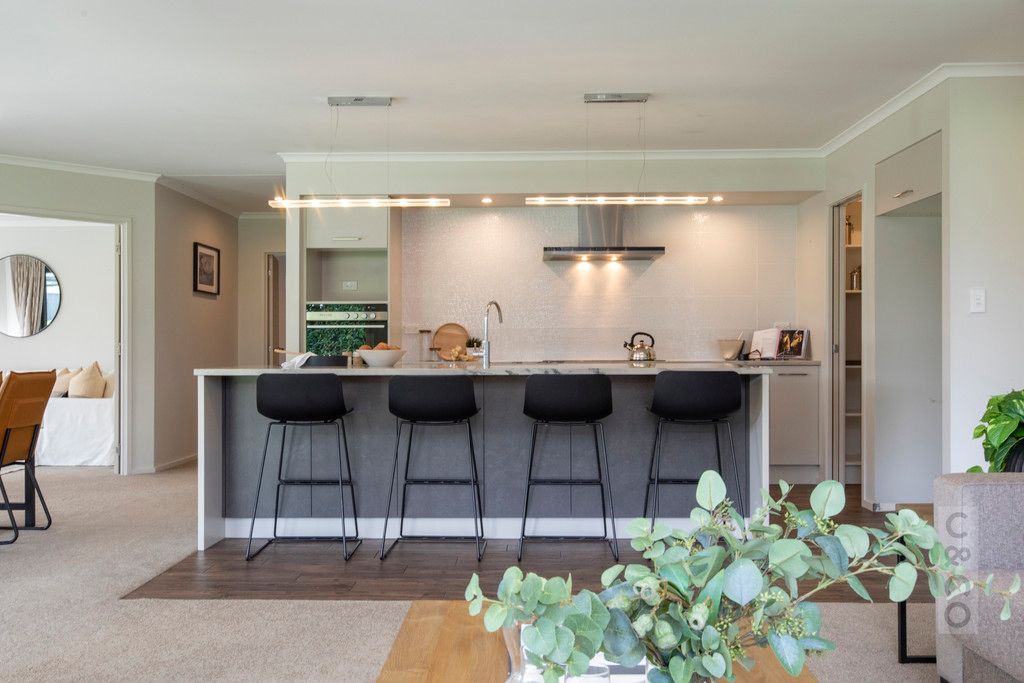
Kitchen: Clear the benchtops almost entirely. Leave one or two considered items at most: a quality coffee machine, a wooden chopping board, or a simple fruit bowl. Clean every surface and polish the tapware until it shines.
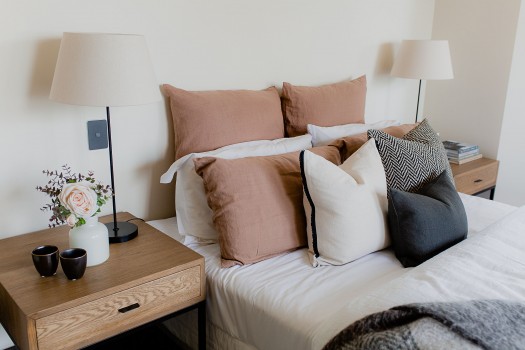
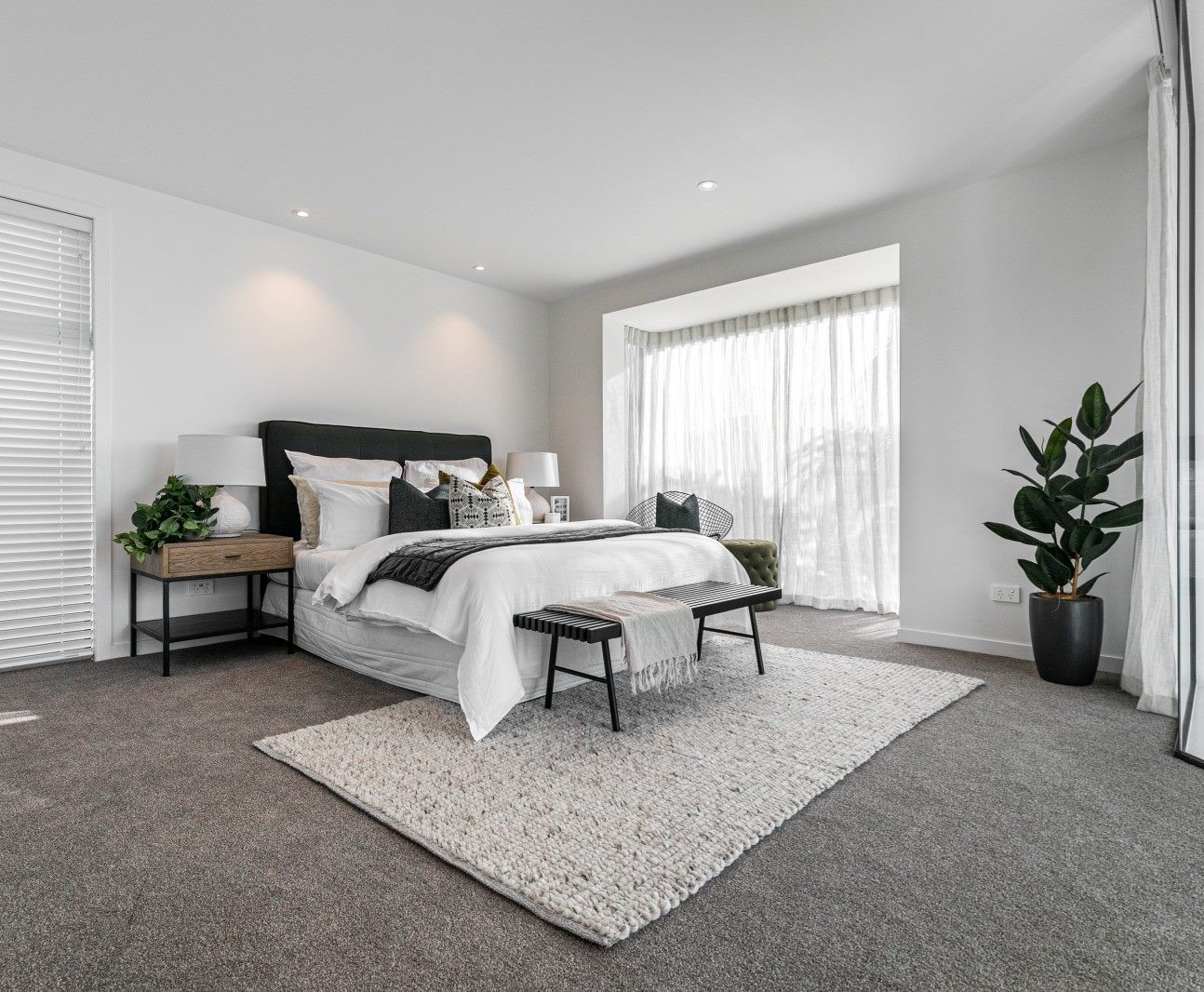
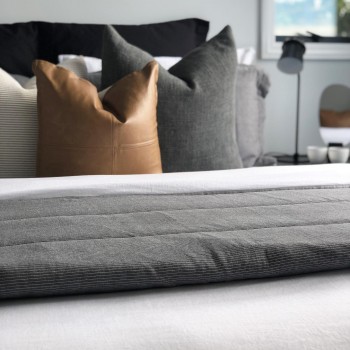
Master bedroom: Make the bed with fresh, neutral linen. Add matching bedside lamps if you have them. Keep all surfaces clear. The goal is a room that feels like a genuine retreat.
Not sure where to start? The Look's staging team has been helping Auckland homeowners present their properties at their best since 2003. Talk to us about your property and we'll help you figure out the right approach.
Nothing makes a home feel more alive than greenery. A well-placed plant or a bunch of fresh flowers can lift an entire room and signal to buyers that this is a warm, cared-for home.
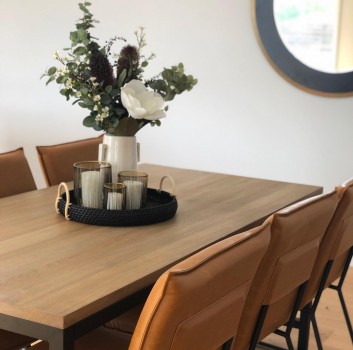
Use plants in living areas and hallways. On open home days, place fresh flowers in the kitchen and main bathroom. Keep them simple and considered rather than elaborate.
Avoid artificial plants. They tend to read as cheap, and observant buyers will notice.
One note on scent: a fresh, clean-smelling home sells better than one with strong artificial fragrance. Skip the scented candles and plug-in diffusers. Air the home out thoroughly before viewings and make sure there are no lingering cooking or pet smells.
This step comes last in the process, but it matters more than most sellers realise.
The vast majority of buyers begin their property search online. Your listing photos are their first impression of your home, before the kerb appeal, before the open home, before anything else you've done to prepare the place. In New Zealand, professional photography is standard practice and most real estate agents include it as part of their listing package.
What catches sellers out is timing. Your agent will book the photographer, but it's your job to make sure the home is fully staged and ready before they arrive. Photos taken before the staging is complete, or while personal items are still scattered around, are very difficult to undo once the listing is live.
Treat the photography session as your first open home. Every tip in this list should be done before the photographer walks through the door. Once those photos are online, they set the tone for everything that follows.
These home staging tips will take you a long way. But there are situations where professional property styling is worth every dollar.
Vacant properties are one. Empty homes are notoriously difficult for buyers to connect with. Without furniture, it's hard to understand how a room functions or how a space will feel once it's lived in. Professional staging solves this.
Properties that aren't attracting offers are another. If your home has been on the market without traction, a fresh set of professional eyes can identify what's holding buyers back and what needs to change.
Higher-value properties also benefit significantly from professional staging. When every percentage point of the sale price matters, presentation and styling is standard practice for a reason.
The Look has been helping Auckland homeowners and property developers present their properties at their best since 2003. Whether you're staging a family home, a new apartment, or a multi-unit development, our property styling team in NZ knows what buyers respond to and how to get your property there.
Talk to The Look about your property and find out how professional staging can work for you.
What is home staging? Home staging is the process of preparing a property for sale by cleaning, decluttering, arranging furniture, and styling the space to appeal to the widest possible range of buyers.
Does staging your home for sale really make a difference? Yes. Staged homes consistently sell faster and achieve stronger prices than unstaged ones. Buyers make emotional decisions quickly, and staging shapes that first impression.
What are the most important home staging tips? Decluttering, deep cleaning, depersonalising, maximising light, and styling the key rooms (living room, kitchen, and master bedroom) deliver the most impact for most sellers.
Is professional home staging worth it in New Zealand? For vacant properties, stalled listings, or higher-value homes, professional property styling in NZ typically delivers a strong return on investment. For occupied homes, a DIY approach using these tips can achieve excellent results.
The Look is an Auckland-based home staging and interior design company with more than 20 years of experience helping homeowners and developers sell with confidence. Get in touch to discuss your property.