Your home should feel like you. Not a showroom, not a rental, and not a decade out of date. If you have been living with the same furniture arrangement, the same tired colour palette, or a lounge that just never quite came together, you are not alone.
Home styling in New Zealand has changed a lot over the past few years. The cool greys and stark whites that dominated Auckland interiors through much of the 2010s have given way to something warmer, richer, and more considered. Homeowners are investing in spaces that feel genuinely liveable, and working with professional interior designers to get there.
This post covers what is trending in interior design in New Zealand right now, what professional interior design actually involves, and how to start thinking about a redesign that could genuinely transform how you live.
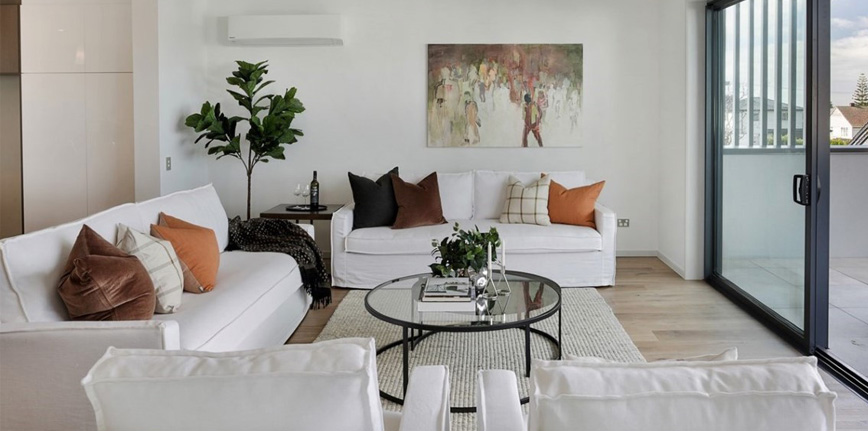
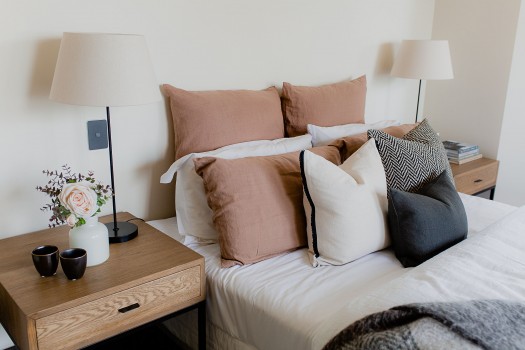
The biggest shift in home styling NZ in recent years is the move away from cool, grey-heavy palettes. Earthy tones have taken over: warm whites, terracotta, sage green, raw linen, and deep olive. These colours work with natural light rather than against it, and they tend to age well across seasons.
If your home still has the grey-on-grey look from 2016, it is not beyond saving. Colour consulting with an experienced designer can identify the palette changes that will make the biggest visual difference with the least disruption.
Texture is doing a lot of work in contemporary NZ interiors. Wool, linen, rattan, raw timber, stone surfaces, and woven jute are showing up everywhere from Grey Lynn villas to Remuera family homes. These materials bring warmth and visual depth that painted surfaces alone cannot achieve.
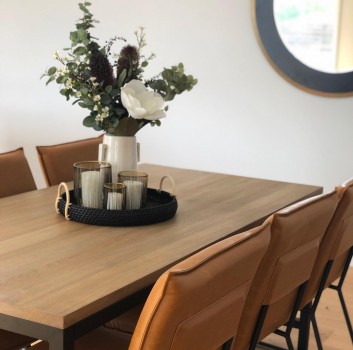
The appeal is also practical. Natural materials tend to be durable and they develop character over time rather than looking tired. A well-chosen linen sofa or a custom oak dining table will outlast several cheaper alternatives and look better for longer.
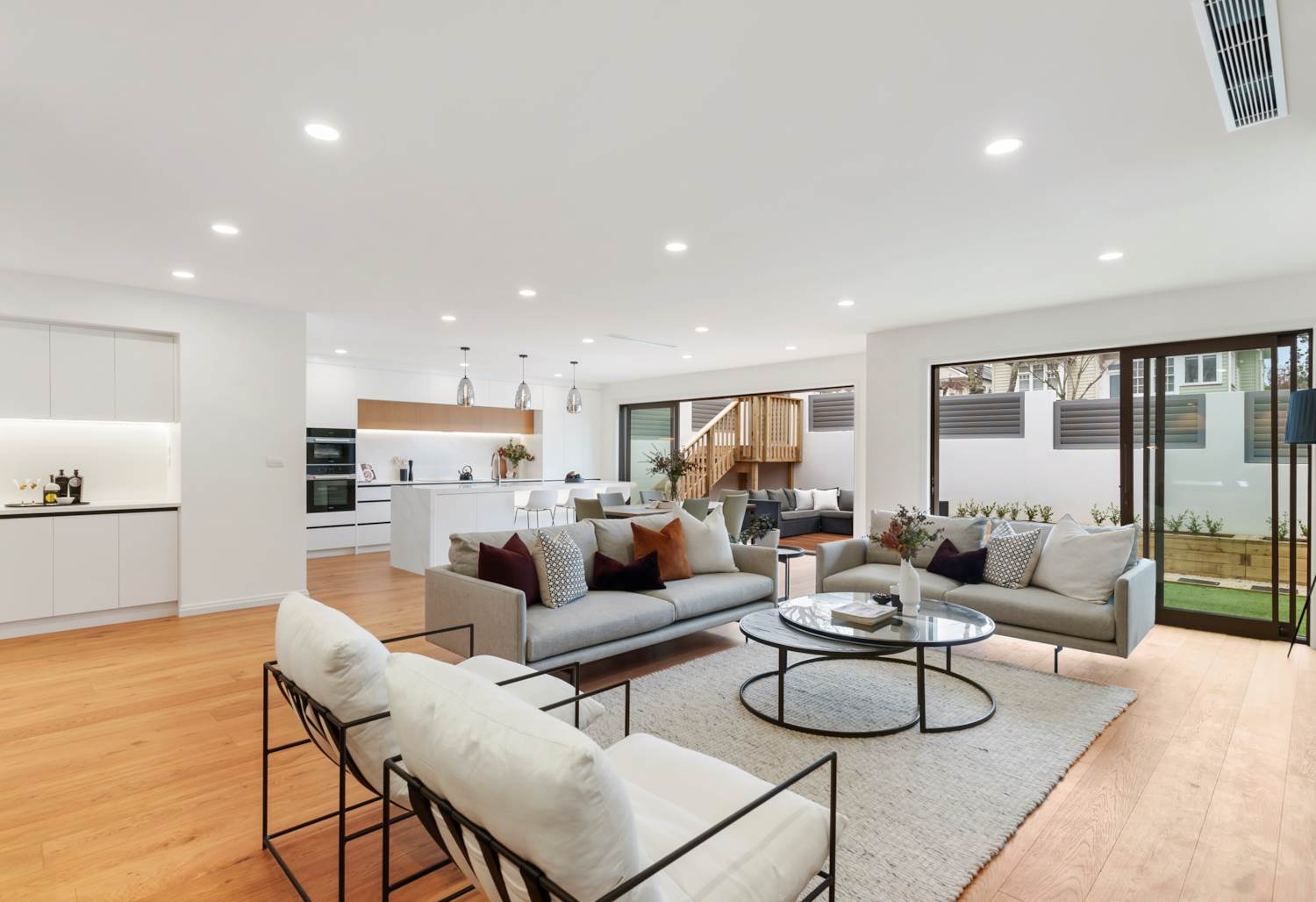
Furniture with soft, organic shapes has become a strong presence in New Zealand interior design. Rounded sofas, curved sideboards, and arched doorways create a sense of ease that angular, straight-edged furniture rarely achieves. This is not a passing fad — it reflects a broader shift toward homes that feel comfortable rather than clinical.
Sourcing curved and organic pieces can be harder than it sounds. Much of what appears in mainstream retail still leans angular and modular. This is one area where access to trade-only suppliers makes a real difference.
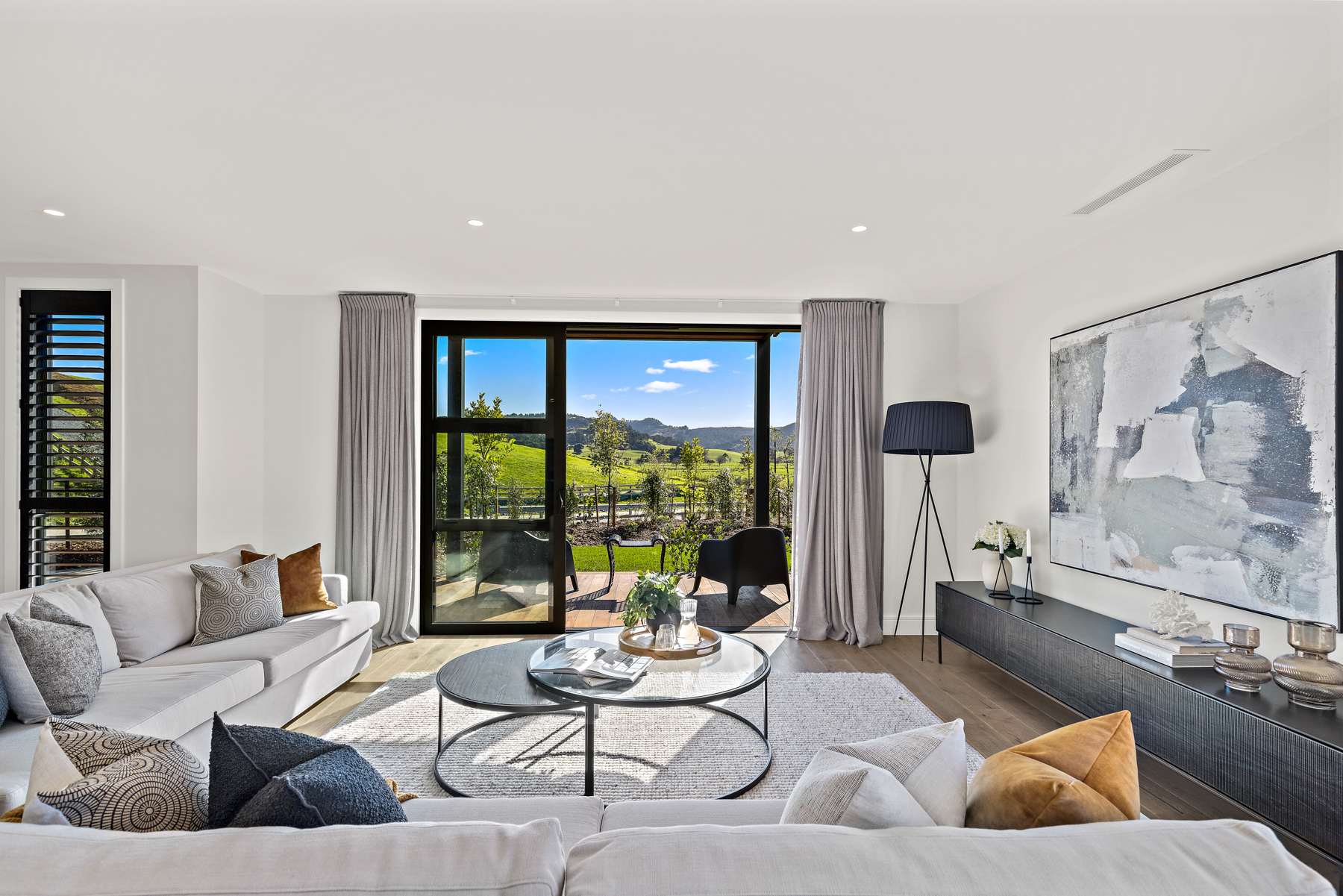
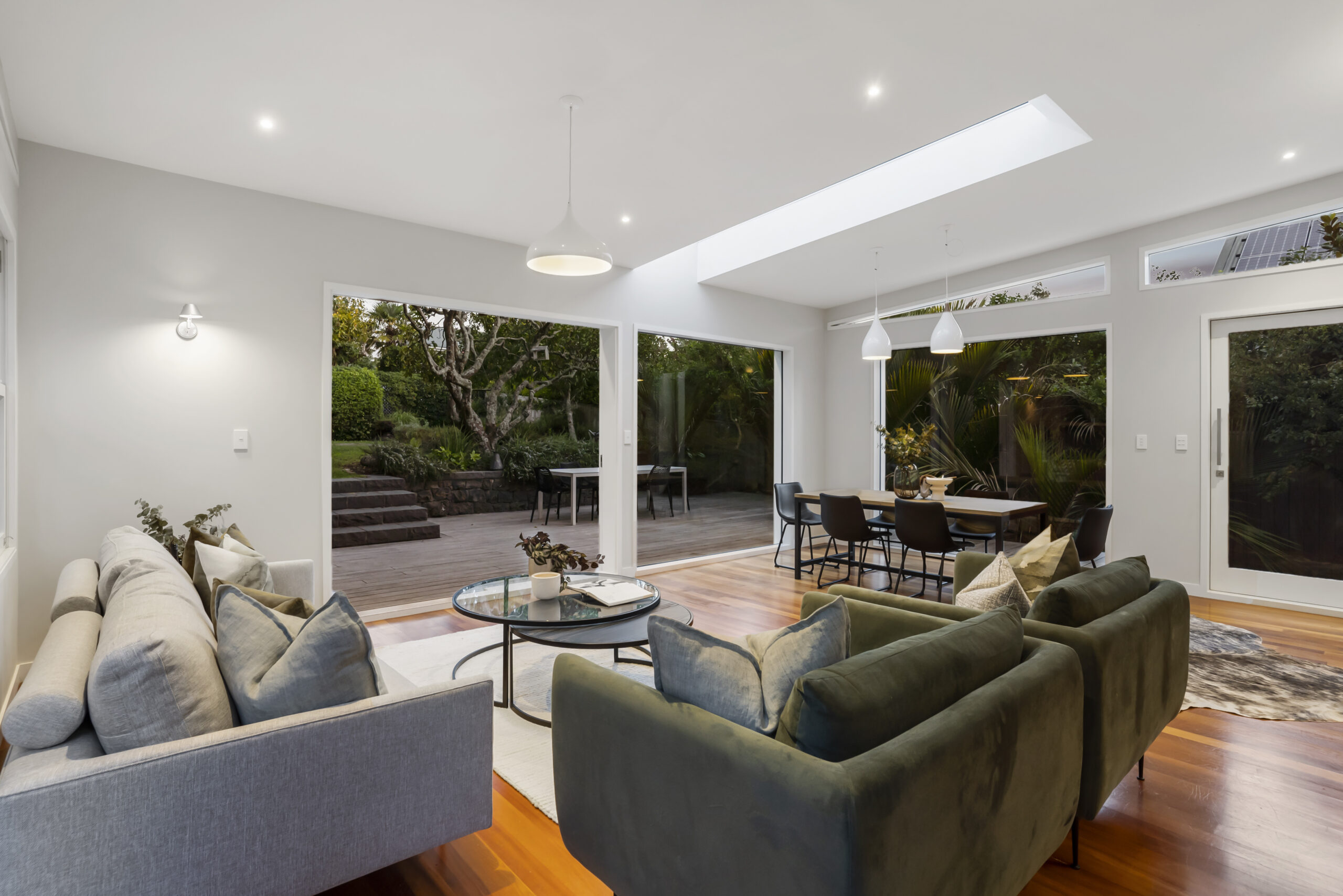
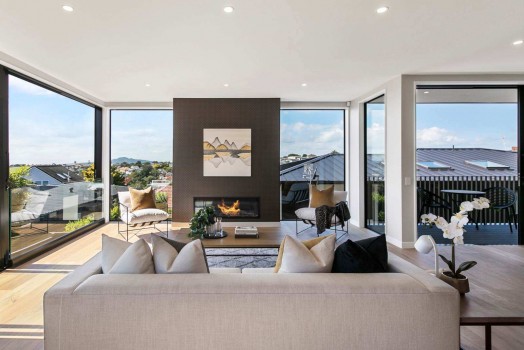
New Zealand homes have always had a closer relationship with the outdoors than most European or American design traditions. Biophilic design formalises this instinct: bringing natural materials, plants, natural light, and outdoor views into the heart of interior spaces.
Practically, this means thinking carefully about how your living spaces connect to the garden, how light moves through the home across the day, and how materials inside echo the environment outside. It is an area where a designer's eye for space planning adds genuine value.
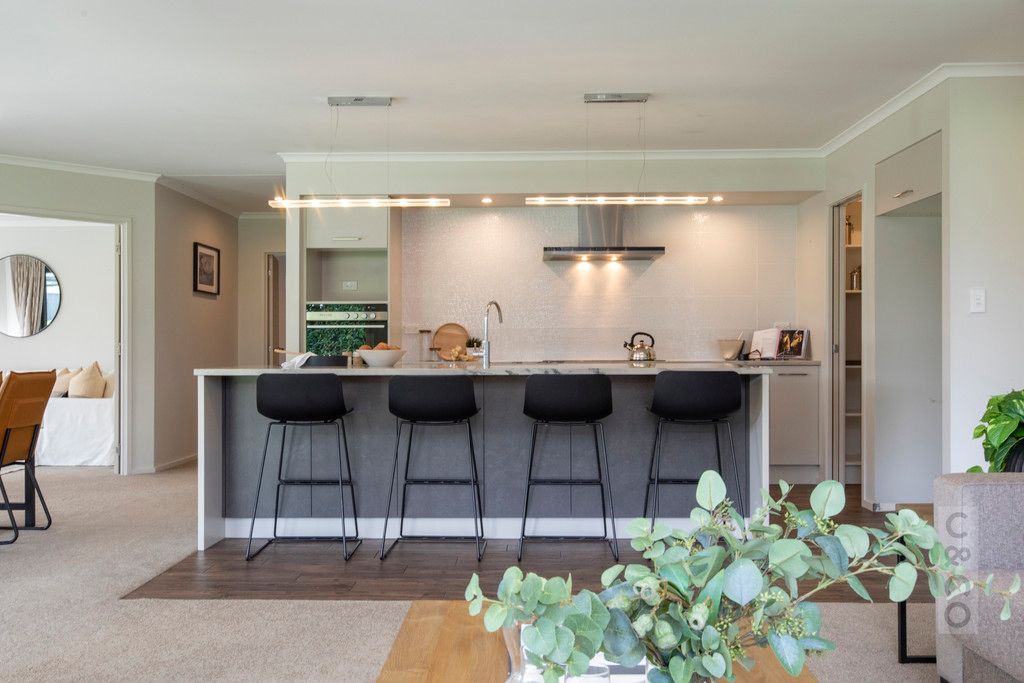
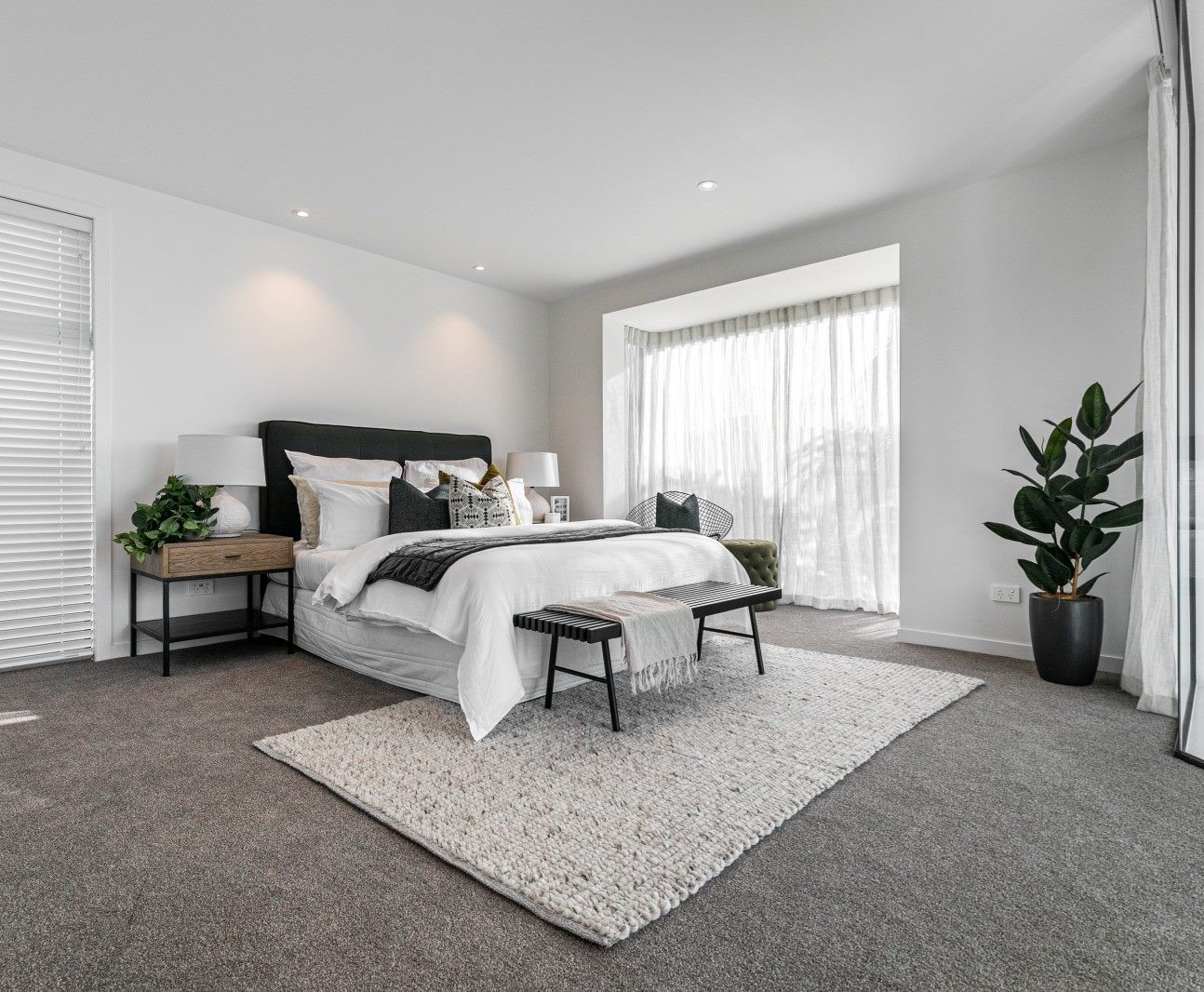
Single overhead lights are one of the most common reasons a room never quite works. Layered lighting (ambient, task, and accent) creates depth and allows a space to shift mood from morning to evening. Table lamps, floor lamps, and integrated joinery lighting are all part of the picture in well-designed NZ homes.
Interior designs New Zealand homeowners love are not simply imported wholesale from European or American trends. Local conditions shape how we live and what works.
Auckland homes in particular tend to have strong indoor-outdoor connections, varied natural light across north and south-facing rooms, and a mix of character housing stock (villas, bungalows, 1960s brick-and-tile) alongside newer builds. What works in a Scandinavian apartment does not always translate directly to a Grey Lynn villa or a Coromandel bach.
New Zealand also has a genuinely strong local craftsmanship scene. Custom furniture makers, local fabric houses, and specialist joinery workshops produce pieces that are designed for the way we actually live. A good interior designer in NZ will have relationships with these makers and be able to source for you directly.
There is a common misconception that interior designers are essentially stylists — people who choose cushion colours and move ornaments around. That is decorating, and it is quite different from what a professional interior designer does.
Interior design covers the full furnishing and spatial transformation of a home. This includes:
A professional designer manages this process end to end, which means you are not spending weekends trawling furniture stores or second-guessing whether that sofa will actually fit.
One of the most significant practical advantages of working with an experienced interior designer in NZ is access to suppliers the general public cannot buy from directly.
The Look works with literally hundreds of trade-only suppliers and custom manufacturers across New Zealand. This includes furniture makers, fabric houses, curtain and blind specialists, and lighting suppliers whose products are only available through the trade.
What this means for you as a client is that your home will not be furnished from the same limited selection available to everyone at the same mainstream chains. Your pieces will be sourced specifically for your space, at trade pricing, from a supplier network built up over more than 20 years.
Custom manufacturing is also part of the picture. If the perfect sofa for your living room does not exist off the shelf, it can be made. The same applies to joinery, curtains, and upholstery. This level of access transforms what is possible when redesigning a home.
Quick answer: What does interior design in NZ involve? Professional interior design in New Zealand typically covers space planning, furniture selection, colour consulting, curtains and blinds, and full sourcing from trade suppliers. A designer manages the process from initial brief through to final installation.
If you are thinking about a redesign, here is a practical way to approach it.
Start with the spaces that bother you most. Most homeowners have one or two rooms that have never worked properly. That is the right place to begin, not a whole-home overhaul from day one. A professional designer can often make a significant difference to a single room in a relatively short time frame.
Be honest about how you actually live. The most beautiful room is the one that works for your household. A designer worth working with will ask questions about how you use a space before making any recommendations. Families with young children need different solutions to couples in their fifties. Good design accounts for this.
Think about what you want to keep. Not everything needs to be replaced. Part of a designer's job is identifying what you already have that is worth keeping, what can be repurposed, and what genuinely needs to go. This is where colour consulting and space planning often create the most value — sometimes a room looks entirely different with no new furniture at all.
Consider the whole room, not just the furniture. Curtains, lighting, rugs, and wall colour have as much impact on how a room feels as the furniture itself. A piecemeal approach (buy a new sofa, then maybe a rug six months later) tends to produce rooms that feel assembled rather than designed.
The Look has been designing Auckland homes since 2003. With a team of experienced designers and access to hundreds of trade-only suppliers, they offer a full interior design service for homeowners looking to transform the way their home looks and feels.
If you are thinking about a redesign, the best first step is a conversation. Get in touch with The Look to find out what is possible for your home.
Contact The Look for an interior design consultation
What does an interior designer in NZ do? A professional interior designer manages the full process of furnishing and transforming your home. This includes space planning, furniture selection, colour consulting, sourcing curtains and blinds, and providing design concept boards so you can see how everything will look before you commit. Interior designers are distinct from decorators — the focus is on furnishing and transforming spaces, not styling accessories.
How much does interior design cost in NZ? Costs vary depending on the scope of work and the designer. Some work on a project basis, others on an hourly rate. The value is often in the supplier's access. The Look works with hundreds of trade suppliers that can source pieces unavailable through mainstream retail, which can offset the design fee significantly.
What are the current interior design trends in New Zealand? The biggest shifts in NZ interior design include warm earthy colour palettes replacing cool greys, natural materials like linen, wool, and timber, curved and organic furniture forms, and stronger biophilic connections between indoor spaces and the outdoors. Layered lighting is also being used more intentionally in well-designed homes.
How do I find a good interior designer in Auckland? Look for experience, a strong portfolio, and a clear explanation of what their service includes. A good Interior Designer should be able to give you confidence in their ability from the first meeting. An important question to ask is whether they have access to trade suppliers. Designers who work exclusively from retail ranges will have a much narrower selection available to them than those with established trade relationships.
What is the difference between an interior designer and an interior decorator? An interior designer handles the full spatial and furnishing transformation of a room or home, including space planning, furniture sourcing, window treatments, and complete room design. An interior decorator focuses on surface finishes and accessories. For a full home redesign, you want a designer, not a decorator.
The Look has been helping Auckland homeowners redesign their homes since 2003. Vis